
Guide
The Cosmetic Formulation Development Process: A Brand Owner's Guide
Launching a beauty or wellness brand always comes back to one question: how is the product actually made? Understanding the cosmetic formulation development process helps brand own
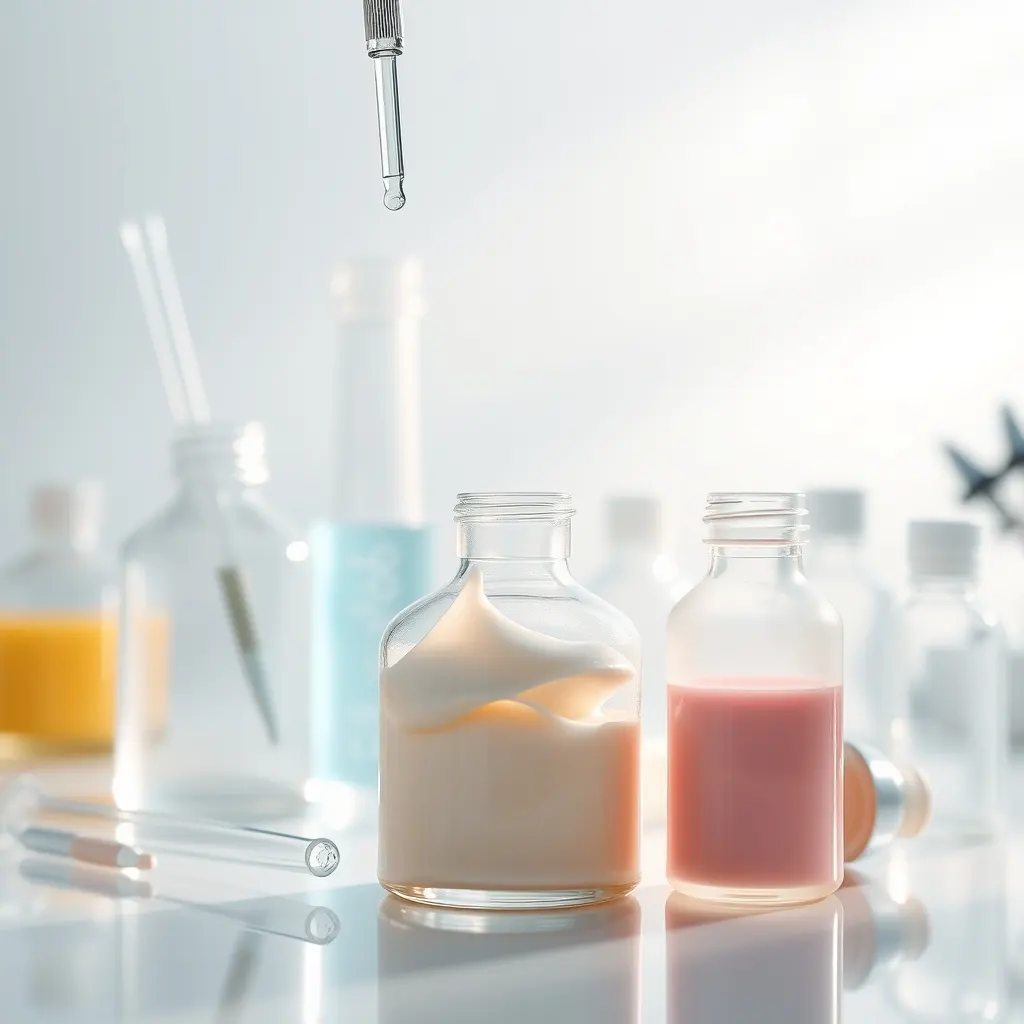
Launching a beauty or wellness brand always comes back to one question: how is the product actually made? Understanding the cosmetic formulation development process helps brand owners make better decisions — from choosing an ingredient profile to picking the right manufacturing partner — without needing a chemistry background. This guide walks through each stage, what to expect, and how it connects to your broader brand strategy.
1. Why Formulation Development Is the Foundation of Your Brand
Before packaging, branding, or marketing enters the picture, the formula is what defines your product's performance, texture, and positioning. A well-planned cosmetic formulation development process ensures the product matches your brand promise — whether that's a lightweight serum, a nourishing body lotion, or a functional supplement. This is also where your brand strategy starts to take shape: are you positioning as clean beauty, K-beauty-inspired, halal-ready, or luxury? Those decisions influence ingredient sourcing, texture, and even packaging choices down the line, so it's worth clarifying early rather than retrofitting later.
2. Choosing Your Development Path: ODM, OEM, or Full Custom
Most brand owners choose between three routes. ODM uses an existing base formula that can be adjusted in scent, color, or minor actives — the fastest way to market. OEM means manufacturing to your own formula or detailed specification. Full custom involves co-developing an entirely new formula with an R&D team, which takes more collaboration but allows the most differentiation. The right path depends on your timeline, budget, and how unique you need the product to be. Many brands start with ODM for a first SKU and move to full custom as the line matures.
3. Category-Specific Considerations
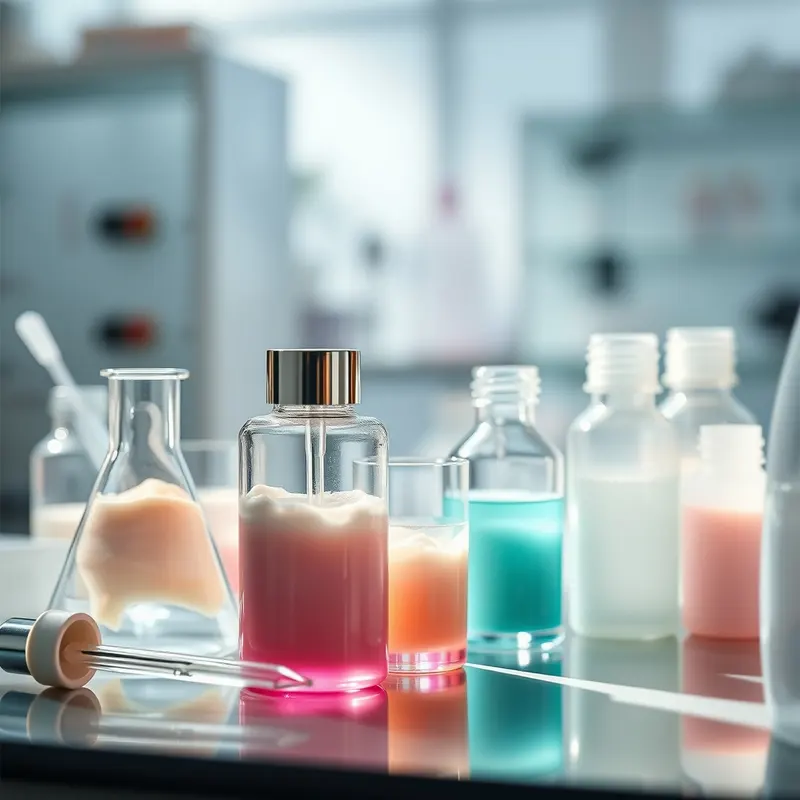
Formulation needs vary a lot by category. For body care OEM, texture, absorption rate, and skin feel across different climates matter as much as the active ingredients. For hair care OEM, formulators need to balance cleansing or treatment efficacy with compatibility for different hair types and regional preferences. Supplement lines built around ingredients like collagen require attention to dosage form (powder, liquid, capsule), taste masking, and stability. Fragrance development, including a signature scent built specifically for your brand, involves a different process entirely — working with perfumers to create a scent profile that's distinct and recognizable rather than adjusting an existing base. Knowing which category you're in early on helps set realistic expectations for development time and complexity.
4. Sampling, Testing, and Refinement
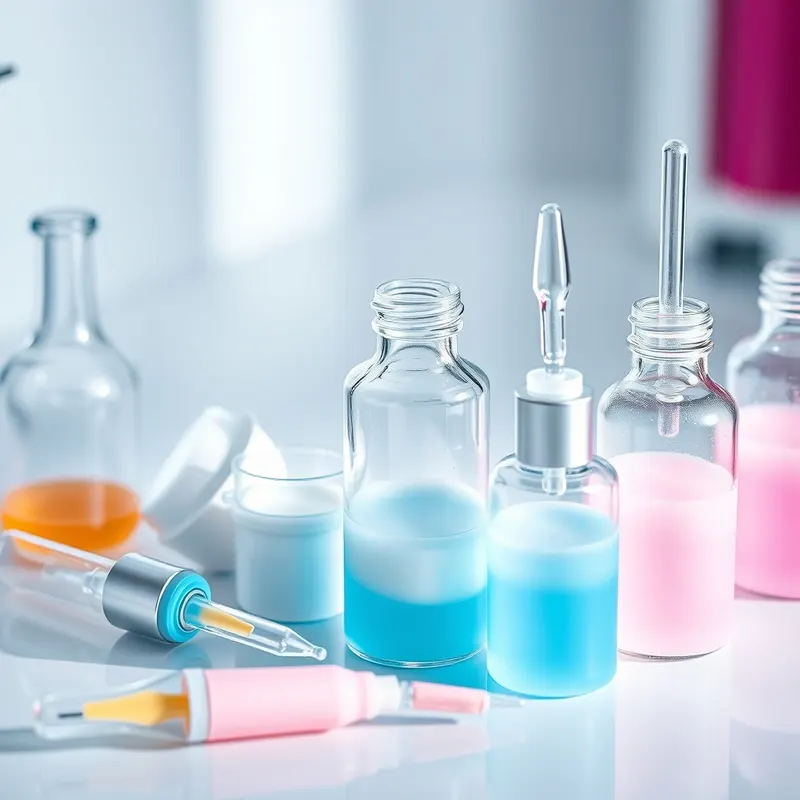
Once a base formula or new concept is proposed, samples are produced for evaluation — checking texture, scent, stability, and performance. This stage often involves a few rounds of feedback before the formula is finalized. Stability testing (how the product holds up over time and under different conditions) and compatibility with intended packaging are also assessed here. This is an iterative stage, and the number of rounds needed depends on how custom the product is — a minor ODM tweak may need just one adjustment, while a full custom formula may take several rounds to get right.
5. Documentation and Market Requirements
Depending on your target market, documentation such as ingredient lists, safety data, and certifications may be required before a product can be sold. With products that have certifications available, relevant documents are typically provided per item at the time of order. It's always worth checking with the customs or regulatory authority in your destination market, since requirements differ by country and product category. Planning this step alongside formulation — rather than after production — helps avoid delays later.
6. Moving from Formula to Production
Once the formula is approved, it moves into manufacturing at a certified facility, followed by quality control checks before packing and shipping. For brand owners working with an OEM/ODM partner, standard minimum order quantities apply per SKU (commonly around 1,000 units), and exact costs and timelines are confirmed during the quotation stage since they vary by product and order size. Having one partner manage formulation, packaging, production, and documentation — rather than coordinating a lab, a factory, and a designer separately — tends to simplify this transition considerably.
Need expert support?
Leave your details and our team will get back to you.
FAQ
Frequently asked questions
How long does cosmetic formulation development usually take?
It depends heavily on the path chosen — an ODM adjustment to an existing formula is generally much faster than a full custom development. Exact timelines are confirmed once the product scope and category are defined.
Can I request a specific ingredient like collagen in my formula?
Yes, ingredients such as collagen can be incorporated into supplement or skincare formulas, subject to the dosage form and category you're developing. This is typically discussed during the formulation consultation.
Do I need my own lab to develop a formula?
No. Most brand owners work with an OEM/ODM partner that handles formulation, sampling, and production, so you don't need in-house chemists or a factory to bring a product to market.
Is a minimum order quantity required for custom formulations?
Yes, OEM/ODM manufacturing typically follows a standard MOQ of around 1,000 units per SKU. Specific quantities and pricing are discussed during quotation based on the product.
Prepared by the 5Fine team for informational purposes. Some links may lead to referred partners.
Articles
Related articles
Công bố mỹ phẩm gia công Thái Lan: Hướng dẫn đầy đủ cho chủ thương hiệu
Nhiều chủ thương hiệu khi chọn gia công mỹ phẩm tại Thái Lan thường bối rối nhất ở khâu công bố sản phẩm — không biết cần chuẩn bị giấy tờ gì, ai chịu trách nhiệm chuẩn bị, và quy

รับผลิตเซรั่ม: เลือกสารสำคัญและความเข้มข้นอย่างไรให้ตรงกลุ่ม
งาน รับผลิตเซรั่ม ไม่ได้ตัดสินกันที่ชื่อโรงงาน แต่ตัดสินกันที่การเลือกสารสำคัญและความเข้มข้นตั้งแต่บรีฟแรก บทความนี้อธิบายวิธีคิด

OEM Skincare Manufacturer: Korea vs Thailand Cost Compared
Most brand owners asking about an OEM skincare manufacturer compare Korea vs Thailand cost as if it were a single number. It is not — it is a stack of