
Buying guide
Cosmetic Packaging Supplier for Small Brands: A Buyer's Guide for PH Brand Owners
If you're building a beauty brand in the Philippines, packaging is often where plans stall. Small brands get stuck between suppliers who only serve large volume orders and local op
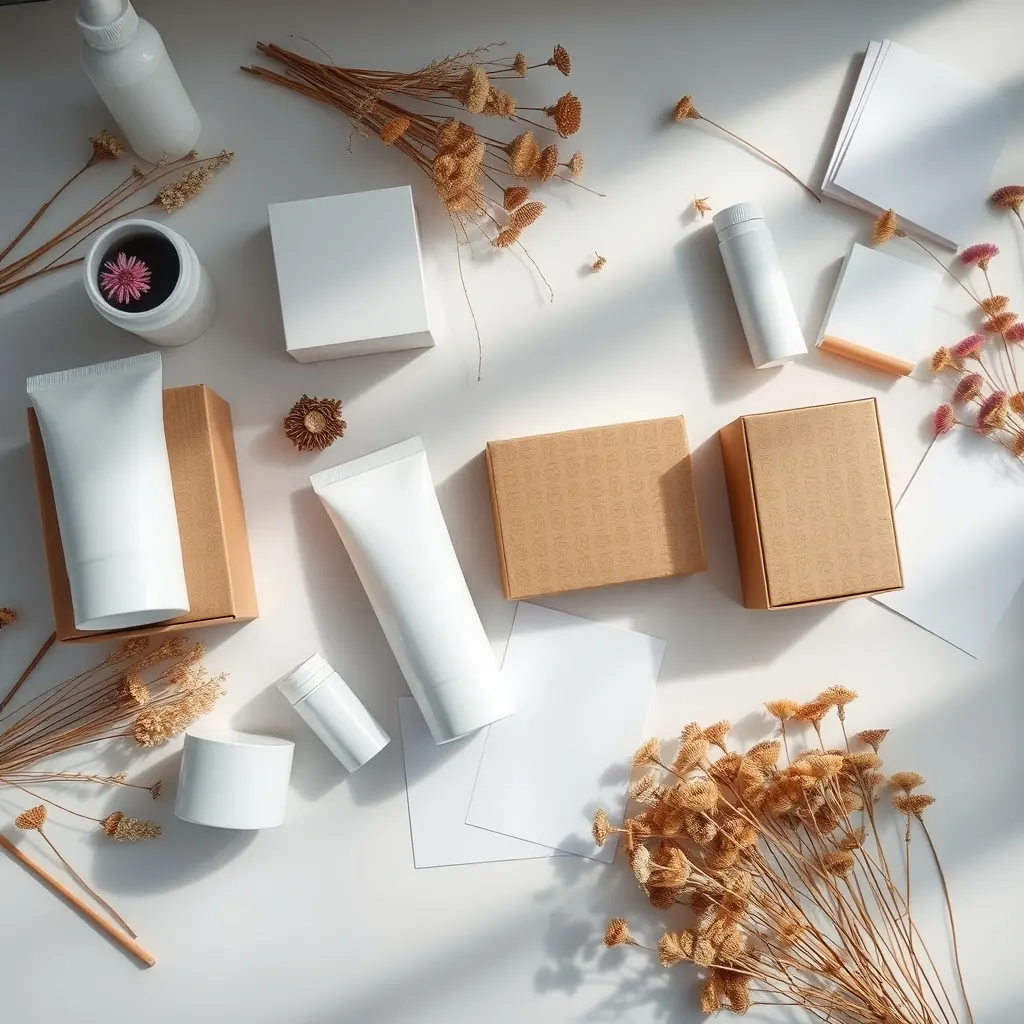
If you're building a beauty brand in the Philippines, packaging is often where plans stall. Small brands get stuck between suppliers who only serve large volume orders and local options with limited finishes. Finding the right cosmetic packaging supplier for small brands isn't just about buying jars and bottles — it's about finding a partner who understands formulation, compliance, and how packaging ties into the rest of your product development. This guide walks through what to look for, what questions to ask, and how packaging decisions fit into the bigger picture of launching a brand that can compete on the shelf.
Why Packaging Sourcing Is Harder for Small Brands
Most packaging suppliers are built around high-volume buyers — think thousands or tens of thousands of units per design. For a small or first-time brand, this creates a real problem: you need packaging that looks premium enough to justify your pricing, but you don't yet have the order volume of an established label. A supplier for small brands needs to offer a workable entry point, usually structured around a standard MOQ per SKU (commonly around 1,000 units), rather than forcing you into industrial-scale commitments before you've even validated the product in market.
What to Look for in a Packaging Partner
Beyond price per unit, evaluate a supplier on a few practical points: Can they source or produce droppers, airless pumps, jars, glass bottles, and tubes, or are you limited to one material type? Do they offer custom shapes and finishing options like hot stamping, or only stock designs? And critically — do they understand how packaging interacts with your formula? Certain actives are sensitive to light or air, which affects whether you need an airless pump versus a standard jar. A supplier who treats packaging as separate from formula development is more likely to hand you something that looks good but underperforms once the product is filled and shipped.
Packaging as Part of Brand Building, Not an Afterthought
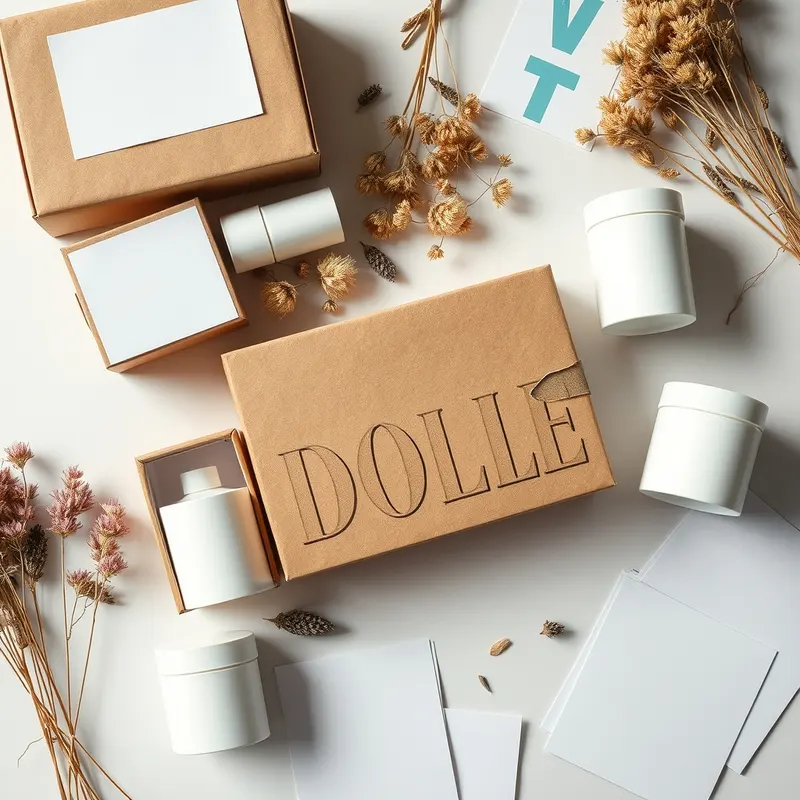
For small brands trying to stand out in a crowded PH beauty market, packaging is part of brand building from day one — it signals positioning before a customer even reads the label. This is where working with an OEM/ODM partner rather than a pure packaging vendor can make a real difference. A partner offering beauty and cosmetics manufacturing alongside packaging can align your bottle, cap, and box choices with your product concept and target price point, instead of leaving you to coordinate a formulator, a packaging factory, and a designer separately.
ODM vs OEM: Which Path Fits Your Packaging Needs
If you're choosing between ODM and OEM routes, packaging flexibility is one of the deciding factors. ODM typically means working from an existing formula with some customization, which often pairs with a faster path to market and a curated set of packaging options already validated for that formula. OEM, where you bring your own formula or specifications, usually allows more packaging freedom but requires more upfront coordination between your spec sheet and the packaging supplier's capabilities. Full custom development sits furthest out but gives you the most control over both formula and packaging working together as one concept.
Documentation and Market Entry Considerations for PH Brands
Packaging alone won't get your product onto Philippine shelves — documentation matters just as much. Depending on your product category, you may need ingredient lists, safety data, or certification documents to accompany your packaging and labeling. These requirements vary by product type and are best confirmed directly with the relevant authority or customs partner in the Philippines before finalizing packaging artwork, since label requirements (like bilingual text or net content disclosures) can affect your packaging dimensions and design layout.
Working With One Partner vs. Juggling Multiple Vendors
Many small brand owners start by sourcing packaging from one supplier, formula from another, and manufacturing from a third — managing timelines and quality across all three. This works, but it adds coordination overhead that can slow down an already resource-constrained launch. Brands exploring global sourcing often find it more efficient to consolidate formula development, packaging, and production under one accountable partner, which reduces the back-and-forth between separate vendors and keeps the product concept consistent from concept to finished goods.
Need expert support?
Leave your details and our team will get back to you.
FAQ
Frequently asked questions
What is a typical MOQ for cosmetic packaging as a small brand?
MOQs vary by supplier and packaging type, but a common standard in OEM/ODM manufacturing is around 1,000 units per SKU. This applies to the overall product run rather than packaging alone, and actual figures depend on the specific item and quantity — it's best confirmed during a quotation conversation.
Can I get custom packaging shapes as a small brand, or only stock designs?
It depends on the supplier. Some packaging-only vendors restrict small orders to stock designs, while OEM/ODM partners with broader packaging networks can often offer custom shapes and finishes like hot stamping, even at smaller order volumes, since packaging is bundled with product development rather than sold separately.
Do I need certification documents for my packaging and product in the Philippines?
Requirements depend on your product category. It's recommended to check with the relevant regulatory or customs body in the Philippines for your specific product type. Suppliers can typically prepare documentation for products as needed, but this should be confirmed per item when placing an order.
Should I choose ODM or OEM if packaging flexibility matters to me?
If speed matters more than full customization, ODM with an existing formula and pre-matched packaging options is usually faster. If you need packaging tailored closely to a specific formula or brand concept, OEM or full custom development gives more control, though it requires more upfront planning.
Prepared by the 5Fine team for informational purposes. Some links may lead to referred partners.
Articles
Related articles
How to Register Cosmetics with FDA Philippines: A Brand Owner's Practical Guide
If you are preparing to launch a beauty line in the Philippines, one question comes up before packaging, before pricing, before your first retail meeting: how to register cosmetics

Beauty Product Manufacturer Thailand: A Guide for PH Brand Owners
Choosing a beauty product manufacturer in Thailand is one of the biggest decisions a Philippine brand owner will make, because the partner you pick shapes your formula, your packag

Contract Manufacturing Cosmetics Thailand: A Buyer's Guide for Brand Owners in the UAE
If you're a brand owner, distributor, or entrepreneur in the UAE exploring contract manufacturing cosmetics thailand options, you've likely noticed Thailand's reputation as a hub f
How Long Does It Take to Develop a Skincare Product? A Realistic Timeline for Brand Owners
If you're planning to start your brand in skincare, one of the first questions that comes up is simple but hard to answer: how long does it take to develop a skincare product? The
OEM Serum Manufacturer Thailand: A Buying Guide for Brand Owners in the Philippines
Filipino beauty entrepreneurs, distributors, and KOLs looking to launch a serum line are increasingly turning to Thailand — home to a dense network of GMP-certified labs, experienc

Private Label Oud Perfume Manufacturer: A Buyer's Guide for UAE Brand Owners
Oud is not a trend in the Gulf — it is a language. Buyers in the UAE can tell the difference between a thin, synthetic accord and a composition with real depth, and they will judge