
Buying guide
Custom Formulation Skincare: A Buyer's Guide for Brand Owners Going Global
If you're exploring custom formulation skincare for your brand, you've likely already outgrown ready-made templates and reseller models. You want a product that's truly yours — a f
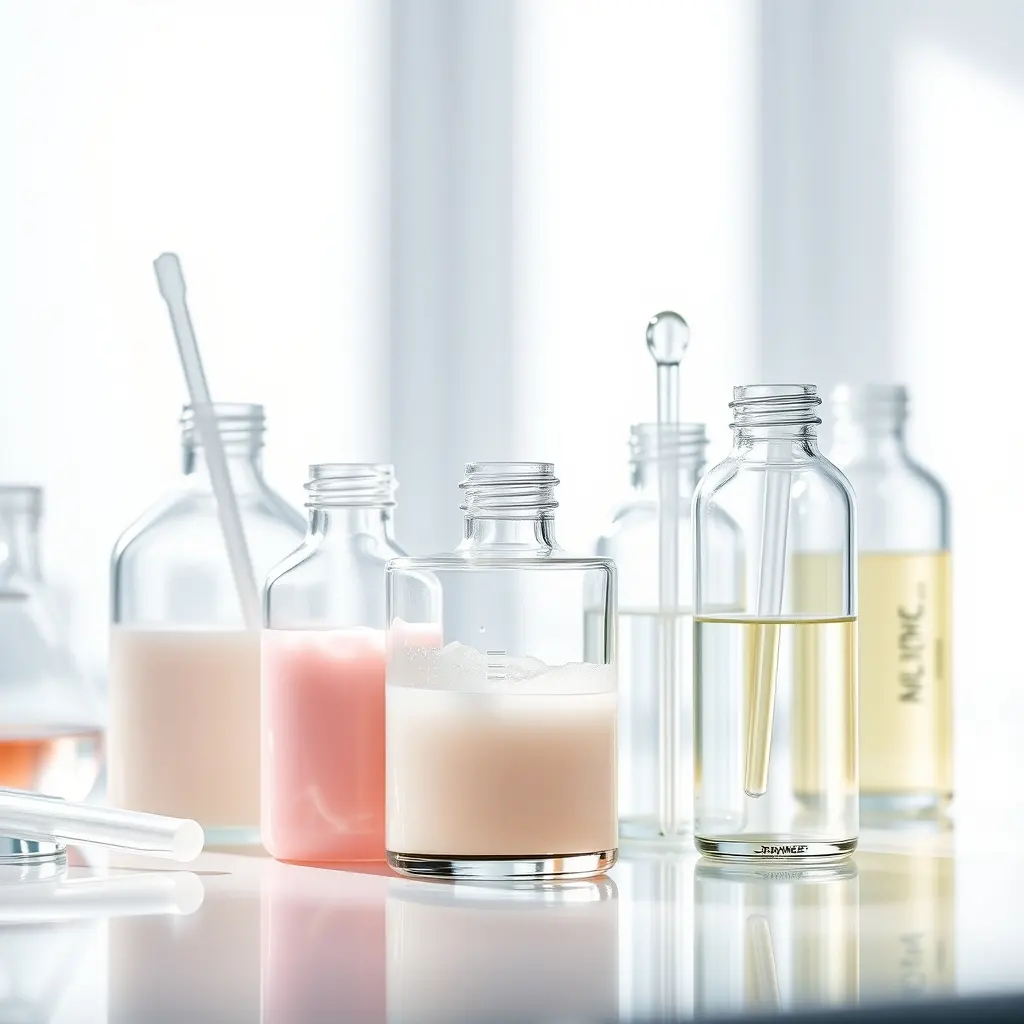
If you're exploring custom formulation skincare for your brand, you've likely already outgrown ready-made templates and reseller models. You want a product that's truly yours — a formula, texture, and claim that sets your line apart on a crowded shelf. But custom formulation involves more decisions than most first-time brand owners expect: lab capability, packaging, documentation, and manufacturing scale. This guide walks through what to evaluate before you commit to a partner, so you can move from concept to a product ready for international shelves with fewer surprises along the way.
1. What "custom formulation" actually means in OEM skincare
Custom formulation sits at one end of a spectrum. At the other end is ODM, where you select an existing, proven formula and apply your branding — the fastest route to market. In between is OEM skincare, where production follows a formula or spec you provide, often adapted from an existing base. True custom formulation means co-developing a new formula from scratch with a lab: active ingredients, texture, sensory profile, stability, and claims are built around your brand positioning rather than picked off a shelf. None of these paths is inherently better — the right one depends on your timeline, budget, and how differentiated you need your product to be. A good manufacturing partner should be able to walk you through all three honestly rather than pushing you toward the most expensive option by default.
2. Why private label skincare buyers eventually move to custom
Many brand owners start with private label skincare to test a market quickly, then move toward custom formulation once they understand their audience and want more control over ingredient story, texture, or fragrance. This progression is common and sensible — it lets you validate demand before investing in formula development. If you're at that stage, look for a partner who supports both models under one roof, so your brand can evolve from private label to a fully custom line without switching suppliers, documentation processes, or quality standards midway.
3. Choosing a manufacturing network, not just a factory
Custom formulation quality depends heavily on where and how it's made. Different manufacturing regions bring different strengths: Korean facilities are often associated with advanced skincare R&D and texture innovation, Japanese manufacturing with precision and quality control, Thai facilities with herbal and halal-ready formulations, and Dubai with fragrance and luxury finishing. A partner working across a network of GMP-certified factories in these regions can match your formula to the facility best suited for it, rather than forcing every product through a single production line. This matters whether your core product is skincare, or you're also exploring supplements, fragrance, or adjacent categories under the same brand.
4. Packaging, documentation, and what to ask upfront
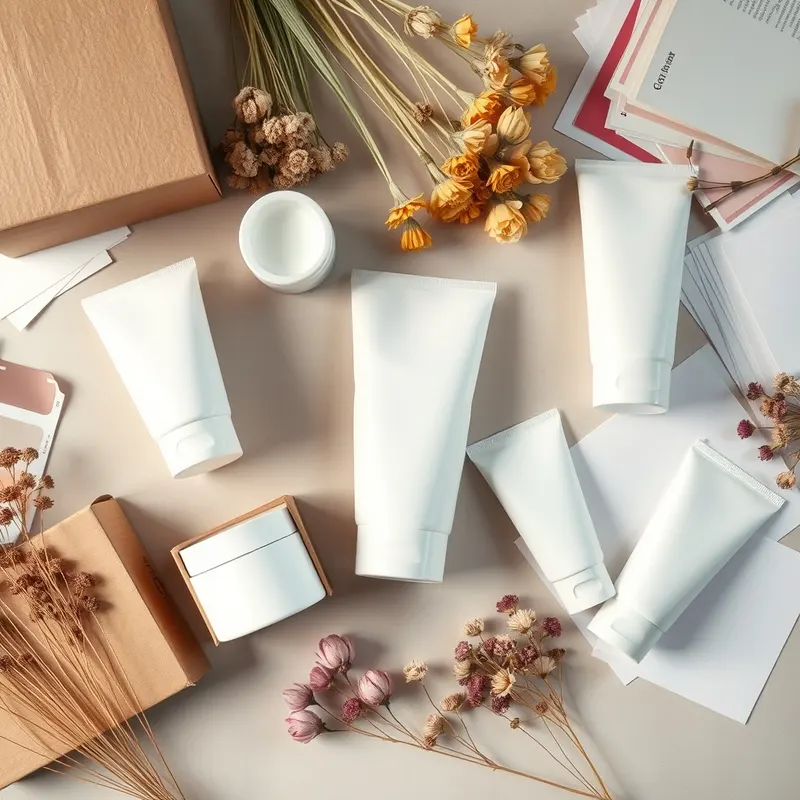
A strong formula is only half the product. Packaging — droppers, airless pumps, jars, tubes, custom shapes, and finishing — affects both shelf appeal and formula stability, so it should be discussed alongside the formulation itself, not after. On documentation, ask specifically what's prepared for your destination market; for products with available certifications, supporting documents are typically provided per item at the time of order, and it's worth checking with your own country's customs or regulatory authority on import requirements rather than assuming standard coverage. Being specific about your target market early — Philippines, Vietnam, UAE, Thailand, or elsewhere — helps your partner prepare the right paperwork track from the start.

5. Beyond skincare: building a fuller wellness brand
Brand owners rarely stop at one category once they've built a relationship with a manufacturing partner. It's common to expand from skincare into supplements, herbal product OEM lines, or even home care OEM products under the same brand umbrella, especially for distributors or spa/clinic brands looking to offer a broader catalogue. Working with a partner that covers multiple categories — beauty, supplements, fragrance, herbal, and home care — means you can scale your brand horizontally without managing separate vendor relationships for each new product line.
6. Scale, MOQ, and setting realistic expectations
For custom formulation and OEM skincare production, a standard minimum order quantity is typically 1,000 units per SKU. This is a useful number to plan around when deciding how many variants to launch at once — it's often more cost-efficient to launch with a focused line of two or three SKUs than to spread your first order thin across many formulas. Pricing varies by product type, ingredients, and packaging choices, so a detailed quote is something your production partner should walk you through once your concept and volume are defined, rather than something quoted generically upfront.
Need expert support?
Leave your details and our team will get back to you.
FAQ
Frequently asked questions
What's the difference between custom formulation and OEM skincare?
OEM skincare typically follows a formula or specification you already provide, while custom formulation means developing a new formula together with a lab from the ground up, built specifically around your brand's positioning and claims.
Can I start with private label skincare and move to custom formulation later?
Yes, this is a common path. Many brand owners launch with private label skincare to validate their market, then transition to a custom formula once they have clearer data on what their customers respond to.
Is MOQ the same for skincare, supplements, and herbal products?
The standard reference point across OEM/ODM categories — including skincare, supplements, and herbal product OEM lines — is 1,000 units per SKU, though your production partner can advise on specifics for your chosen products.
Can one partner handle skincare, supplements, and home care OEM together?
Some manufacturing partners work across multiple categories through a network of specialized factories, allowing a single brand to develop skincare alongside supplements, fragrance, or home care OEM products without managing separate vendors for each.
Prepared by the 5Fine team for informational purposes. Some links may lead to referred partners.
Articles
Related articles

Custom Perfume Manufacturer for Brands: Concept to Shelf
What a custom perfume manufacturer for brands actually does, the three development routes, how to brief a scent, packaging and GCC compliance, and how to evaluate a partner.
Private Label vs Custom Formulation: Which Path Fits Your Brand?
If you're planning to start your brand in skincare or wellness, one of the first decisions you'll face is private label vs custom formulation. The choice shapes your timeline, your
OEM Supplement Manufacturer Thailand: A Buyer's Guide for Brand Owners in the UAE
If you're a brand owner, distributor, or entrepreneur in the UAE looking to launch a supplement line, Thailand has quietly become one of the most capable manufacturing hubs in Asia

OEM Serum Manufacturer Thailand: A Buying Guide for Brand Owners in the Philippines
Filipino beauty entrepreneurs, distributors, and KOLs looking to launch a serum line are increasingly turning to Thailand — home to a dense network of GMP-certified labs, experienc
How to Register Cosmetics with FDA Philippines: A Brand Owner's Practical Guide
If you are preparing to launch a beauty line in the Philippines, one question comes up before packaging, before pricing, before your first retail meeting: how to register cosmetics
Private Label Collagen Supplement Manufacturer: A Buying Guide for Philippine Brands
Collagen is one of the fastest-moving wellness categories in the Philippines, and more founders — from skincare clinics to influencers to distributors — are asking the same questio