
Sản phẩm
Halal Supplement Manufacturer in Thailand: A Practical Sourcing Guide for UAE Brand Owners
For brand owners in the UAE, halal is not a marketing badge — it is the baseline expectation of the shelf. Whether you are launching a collagen drink for Dubai retail, a herbal wel
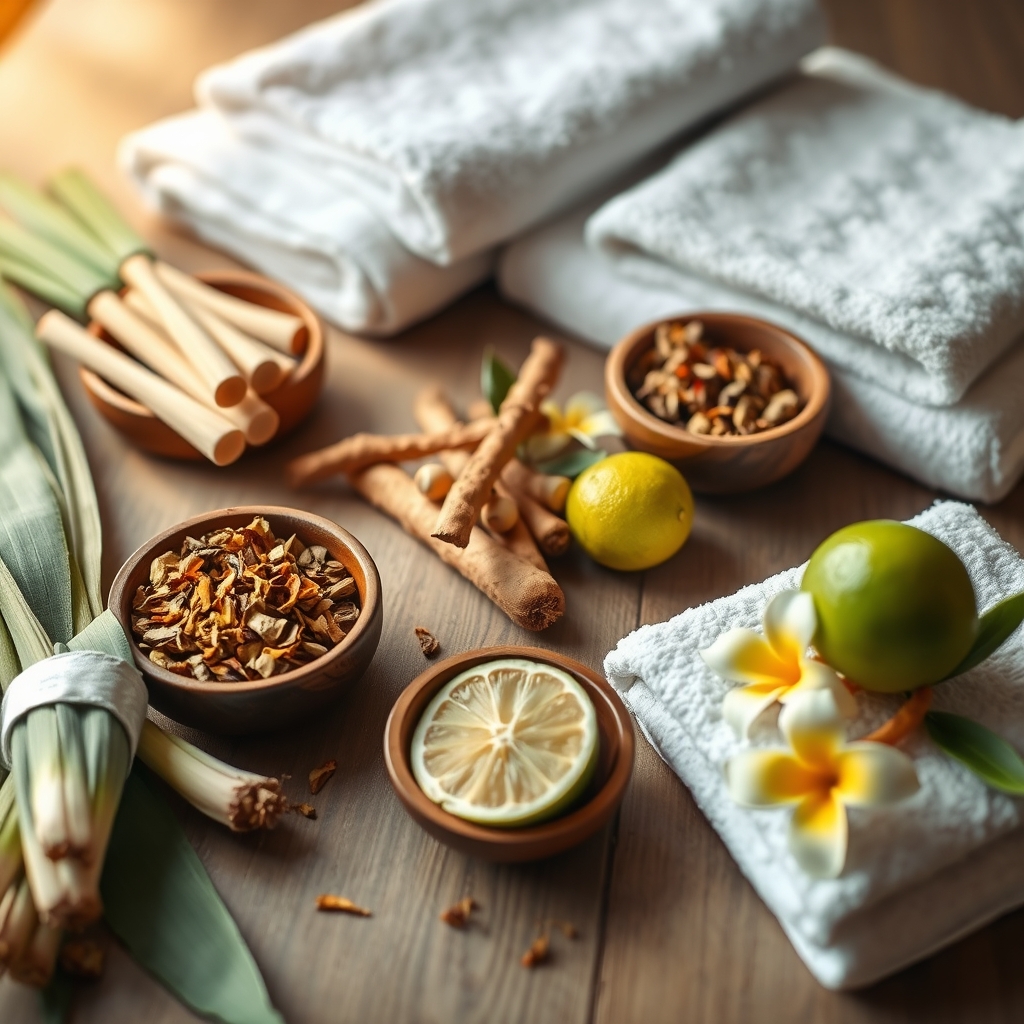
For brand owners in the UAE, halal is not a marketing badge — it is the baseline expectation of the shelf. Whether you are launching a collagen drink for Dubai retail, a herbal wellness capsule for a clinic chain, or a private label vitamin range for distribution across the GCC, the manufacturing decision you make at the start shapes everything that follows: formulation, documentation, packaging, and how smoothly your goods clear at destination. Thailand has become a natural starting point for this conversation. Its herbal and nutraceutical tradition runs deep, its factories are accustomed to export-oriented work, and halal-ready production is a familiar requirement rather than an exception. This guide is written for the person actually making the decision — the founder, the KOL building a first brand, the distributor moving from reselling into ownership. It explains what to look for in a halal supplement manufacturer thailand sourcing process, which product categories are realistic, how documentation is approached for the UAE market, and how an OEM/ODM partner structures the work from idea to finished goods.
Why Thailand Sits Well With UAE Supplement Brands
Thailand's advantage in wellness manufacturing is not a single factor — it is the combination of a long herbal tradition, an export-literate factory base, and a manufacturing culture already shaped by halal-conscious markets in Southeast Asia and the Gulf.
For a UAE brand, three things matter in practice. First, ingredient familiarity: Thai manufacturing has deep experience with botanical extracts, functional beverages, collagen formats, and herbal blends — categories that perform strongly with Gulf consumers who lean toward natural positioning. Second, format flexibility: sachets, stick packs, capsules, tablets, functional drinks, functional coffee and tea are all established formats rather than experimental ones. Third, halal readiness: factories working for regional export understand that ingredient sourcing, processing lines and storage all need to be considered from the first formulation meeting, not retrofitted later.
5FINE works through a network of partner factories certified to GMP standards across Thailand, Korea, Japan and Dubai. That matters for a supplement brief because a single project may draw on Thai herbal expertise for the formulation while borrowing packaging finishing or fragrance capability from another node in the network. The brand owner deals with one point of contact rather than assembling a chain of separate suppliers.
What 'Halal-Ready' Actually Means in a Manufacturing Brief
Halal in supplement manufacturing is a question about the entire chain, not a stamp applied at the end. When you brief a halal supplement manufacturer thailand side, the conversation should cover at least four layers.
**Ingredients.** The obvious items — gelatin in capsule shells, collagen source, emulsifiers, glycerin, flavour carriers, alcohol-based extracts — need to be specified early. Switching a capsule shell from bovine gelatin to a plant-based alternative late in the process changes stability testing and sometimes the fill weight.
**Processing.** Shared equipment, cleaning protocols and production scheduling all form part of a halal assessment. This is a factory-level question, which is why the choice of production site is made against the brief rather than by default.
**Storage and handling.** Raw material warehousing and finished goods storage are part of the picture.
**Documentation.** Halal certification and supporting documents are prepared according to the destination market and the specific product. At 5FINE this is handled as a defined stage of the project rather than an afterthought: files are compiled per item, per market, on request. What we deliberately avoid is the blanket claim that every product automatically carries every certificate — that is not how supplement documentation works, and a partner who tells you otherwise is simplifying something that deserves precision.
For the UAE specifically, import and registration requirements are best confirmed with your customs broker or the relevant authority in your market before production volumes are fixed, since requirements differ by product category and intended claim.
From Idea to Finished Goods: The Eight-Step Route
Most first-time brand owners underestimate how much happens between "I want a collagen line" and a palletised shipment. 5FINE structures the work in eight steps, and understanding them helps you plan your own launch calendar.
1. **Discovery and consultation** — category, market, positioning, budget frame, target customer. 2. **Concept and positioning** — where the product sits on the shelf and against whom. This is where brand strategy is set before any formula work begins. 3. **Formula development and samples** — existing formulations or custom work, with halal constraints built in from the first iteration. 4. **Design and packaging** — from sachet artwork to glass bottles and luxury finishing. 5. **Documentation and certification** — compiled according to destination market and product type. 6. **Manufacturing** — at a GMP-certified partner facility matched to the product. 7. **Quality control.** 8. **Logistics and export support.**
There are three routes through this. ODM uses an existing formulation from the catalogue and is the fastest path. OEM manufactures to your own formula or specification. Full custom means co-developing something new from scratch. Timelines and costs vary by route, product and quantity — the team confirms these when quoting rather than quoting a generic figure that will not survive contact with your actual brief.
The same structured product development approach applies across categories, which is why brands often begin with supplements and later extend. The OEM skincare side of the business follows the identical eight-step logic.
Supplement Categories Worth Considering for the Gulf Market
The 5FINE catalogue spans roughly 690 reference items across eight groups. For a UAE-facing supplement brand, the relevant clusters are:
**Dietary supplements** — collagen, vitamins, omega-3, weight management and slimming formats, herbal supplements, functional drinks, and functional coffee and tea. Collagen and functional beverages travel particularly well in Gulf retail and clinic channels.
**Herbal and traditional** — ingestible blends, topical balms and oils, aroma and essential products, wellness blends. This is Thailand's structural strength and the group where halal-ready production is most established.
**Adjacent categories that strengthen a range** — men's care, baby and mom care, and fragrance. A wellness brand in the UAE frequently extends into scent, where Dubai partner capability in perfume and luxury formats becomes relevant.
A practical note on range planning: resist launching eight SKUs at once. A tight hero product with one or two supporting items is easier to document, easier to merchandise and easier to fund. Extension is a second-phase conversation.
If your plan is to distribute existing Thai-branded wellness products rather than build your own label, that is a different model — sourcing platforms such as thainex.com handle authentic Thai products for wholesale and distribution.
Choosing a Manufacturing Partner: Questions That Separate Serious Options
Selecting a halal supplement manufacturer thailand candidate is less about scanning a company profile and more about how they respond to your brief. Useful questions:
**Will you tell me which route actually fits?** A good partner may recommend an existing formulation over custom work if your volumes and timeline suggest it. A partner who pushes full custom on every enquiry is selling, not advising.
**How is the factory matched to my product?** 5FINE manages production across a multi-country network of GMP-certified partner facilities — Korean R&D strength, Japanese quality culture, Thai herbal and halal-ready capability, Dubai fragrance and luxury finishing. The site should be chosen for your product, not because it is the only option available.
**Who handles documentation?** Supporting files are prepared per item and per destination market when you order. Clarify scope in writing.
**Can you cover packaging too?** Droppers, airless pumps, jars, glass bottles, tubes, custom shapes, hot stamping and luxury finishing sit within the same scope, so you are not coordinating a separate packaging vendor.
**What happens after production?** Quality control and export logistics support should be part of the engagement.
The underlying principle: you are looking for one accountable partner across formula development, design, documentation and shipping — not four vendors you have to synchronise yourself. That is the difference between a supplier relationship and a manufacturing partnership.
Planning Your Launch: Budget, Branding and Sequencing
Two things derail first launches more often than manufacturing itself: unclear positioning and badly sequenced spending.
On positioning, do the brand building work before the formula is locked. Name, identity, visual direction and the promise you are making to a Dubai shopper should inform the texture, the format and the packaging — not be decorated onto a finished product. 5FINE offers naming, identity and design as part of the engagement precisely because these decisions interlock.
On sequencing, the order that works is: define the market and channel, choose the route (ODM, OEM or full custom), approve samples, finalise packaging, then compile documentation and schedule production. Costs and lead times depend on the product, specification and quantity — these are confirmed at quotation stage, which is also the right moment to discuss quantities rather than anchoring on numbers before the brief is clear.
If you are a KOL or clinic owner considering your first line, the practical move is to start with one category and one strong SKU. Many brands begin with a supplement and extend into topical products later, where the private label skincare and skincare manufacturer capability in the same network covers serums, creams, sunscreen and professional spa lines without finding a new partner.
When you are ready to start your brand, come to the first conversation with three things: your target market, your channel, and the consumer you are speaking to. The rest can be built from there.
Cần hỗ trợ từ chuyên gia?
Để lại thông tin, đội ngũ sẽ liên hệ sớm.
FAQ
Câu hỏi thường gặp
Does a halal supplement manufacturer in Thailand suit a UAE brand, or should I manufacture locally?
Both routes exist and the right answer depends on your category and volumes. Thailand is particularly strong for herbal, collagen, functional beverage and botanical formats, with factories accustomed to halal-ready production for export. 5FINE manages production across partner facilities in Thailand, Korea, Japan and Dubai, so the site is matched to the product rather than assumed — a fragrance or luxury-finish component of your range, for example, may be better suited to the Dubai node.
How is halal certification handled for my product?
Halal and other supporting documentation is prepared according to the destination market and the specific item, and is compiled when you place an order rather than assumed to exist for every SKU in advance. Manufacturing takes place at GMP-certified partner facilities. Because import and registration requirements differ by product type and claim, it is worth confirming the details with your customs broker or the relevant authority in the UAE before locking production volumes.
What is the difference between ODM, OEM and full custom?
ODM means you select an existing formulation from the catalogue and apply your own branding and packaging — the fastest route to market. OEM means production follows your own formula or specification. Full custom means co-developing a new formulation from scratch, which gives maximum differentiation and takes the longest. The team will advise which route fits your brief during the discovery stage.
Can the same partner handle packaging, branding and export?
Yes — the engagement is structured as a single point of contact across eight stages: discovery, concept and positioning, formula development and sampling, design and packaging, documentation, manufacturing, quality control, and logistics and export support. Packaging options include droppers, airless pumps, jars, glass bottles, tubes, custom shapes and luxury finishing such as hot stamping.
What quantities and lead times should I plan for?
These depend on the product, specification and quantity, and are confirmed at the quotation stage rather than quoted as a general figure. Share your target market, category and intended channel in the first conversation and the team will advise on a realistic plan.
Nội dung do đội ngũ 5Fine biên soạn nhằm mục đích cung cấp thông tin. Một số liên kết có thể dẫn tới đối tác được giới thiệu.
Đọc thêm
Bài viết liên quan
How to Start a Supplement Brand in the Philippines: A Practical Guide for Brand Owners
The Philippine wellness market has matured fast. Collagen drinks, slimming coffee, immunity vitamins and functional teas have moved from niche imports to everyday shelf items in ph

Private Label Glutathione Supplement Manufacturer: A Buyer's Guide for Philippine Brand Owners
Glutathione remains one of the most commercially resilient categories in the Philippine beauty and wellness market — sold in pharmacies, derma clinics, salons, live selling channel
Private Label Sunscreen SPF 50 Philippines: A Brand Owner's Guide to Getting It Right
Sunscreen is one of the few skincare categories in the Philippines that sells year-round, across every channel — Shopee and TikTok Shop, derma clinics, pharmacy chains, and provinc