
Product guide
ODM Cosmetics Thailand: A Practical Guide for Brand Owners in the UAE
For UAE-based entrepreneurs, distributors, and clinic owners looking to launch a beauty or wellness line, ODM cosmetics Thailand sourcing has become a serious alternative to workin

For UAE-based entrepreneurs, distributors, and clinic owners looking to launch a beauty or wellness line, ODM cosmetics Thailand sourcing has become a serious alternative to working with factories in Europe or East Asia alone. Thailand combines herbal formulation expertise, GMP-certified manufacturing, and competitive flexibility for brands of varying sizes. This guide walks through what ODM actually means, how it differs from OEM, what product categories Thailand excels in, and how to approach the process if you're building a brand for the Gulf market.
What ODM Means — and Why Thailand Is a Strong Fit
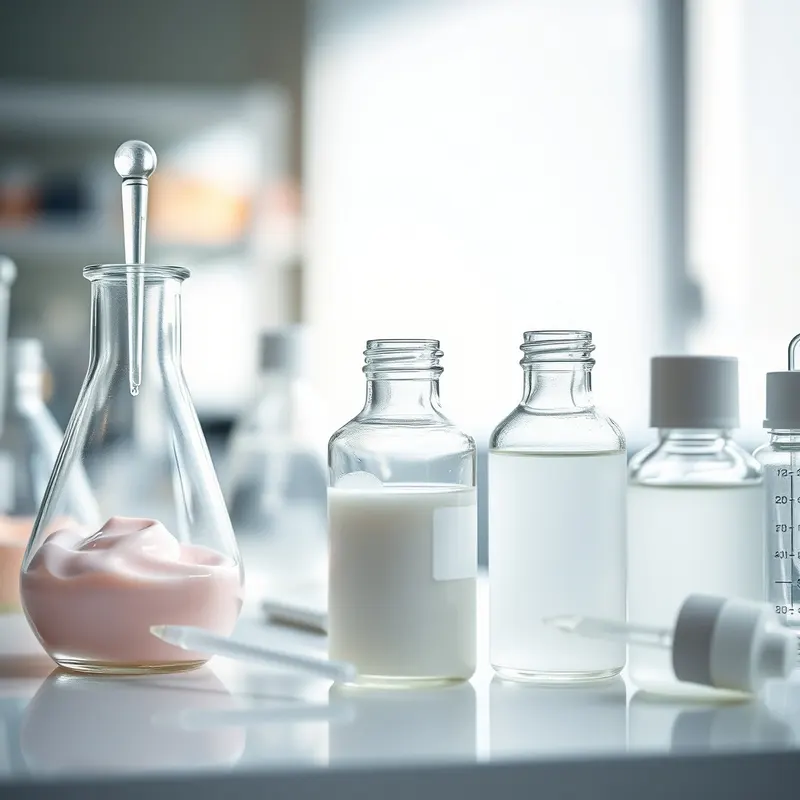
ODM (Original Design Manufacturer) means the factory or partner already owns a base formula, and your brand customizes packaging, scent, texture nuances, and positioning around it. This is different from OEM, where you bring your own formula or detailed spec for the manufacturer to produce. ODM is typically the faster route to market since the heavy formulation work is already done — you're refining, not starting from zero.
Thailand has built a strong reputation in this space because of its deep herbal and botanical ingredient base, a mature cosmetics manufacturing ecosystem, and factories experienced in exporting to the Middle East, including halal-ready production lines. For UAE buyers who want products that feel authentic — not generic white-label — ODM cosmetics Thailand sourcing offers access to formulations already tested in regional markets with similar climate and skin concerns (heat, humidity, sun exposure).
Core Categories Where Thai ODM Manufacturing Excels
Not every category is equally strong in every country, and Thailand has clear areas of specialization worth knowing before you choose a direction:
- Skincare and body care, including serums, creams, toners, and sun care — relevant for a hot climate like the UAE.
- Herbal and traditional formulations, such as herbal balm products, ingestible herbal supplements, and aromatic topical blends — a category where Thailand's botanical heritage gives genuine formulation depth.
- Fragrance and scent development, from perfume and body mist to home fragrance and diffusers, including the development of a signature scent that can anchor a brand's identity.
- Baby and mom care, with gentle, dermatologically-considered formulas suited to baby skincare lines that distributors increasingly want to add to their portfolio.
- Men's care, home care, and dietary supplements, rounding out a fairly complete beauty-and-wellness catalogue.
If your plan involves more than one of these categories, working with a single partner who can coordinate across them tends to simplify logistics considerably compared to managing separate factories for each line.
Private Label vs. ODM vs. Full Custom: Choosing Your Path
Buyers often use 'private label' and 'ODM' interchangeably, but it helps to separate the paths clearly:
1. Private label skincare (and other categories) usually means selecting from existing formulas and applying your branding with minimal changes — the fastest and most budget-predictable route. 2. ODM sits a step further: you adjust texture, fragrance, active concentration, or packaging around a base formula, giving more differentiation than pure private label. 3. Full custom development means formulating from scratch with your brand's specific concept, actives, and sensory profile — more time and collaboration involved, but the highest level of ownership over the final product.
For UAE brand owners entering a competitive beauty retail landscape, the right path often depends on how fast you need to launch and how differentiated you want to be from day one.
Packaging, Certification, and Export Considerations for the UAE Market
Packaging is not an afterthought in Thai ODM manufacturing — factories offer options ranging from simple droppers and jars to luxury finishing with hot stamping and custom shapes, which matters for brands positioning themselves at a premium price point in GCC retail.
On certification, it's worth noting that documentation such as halal certification or market-specific registration is prepared per product, according to the destination market, rather than being a blanket guarantee across an entire catalogue. If you're importing into the UAE, it's advisable to check directly with your local customs or regulatory authority regarding specific import and labeling requirements for cosmetics, supplements, or fragrance products, since requirements can vary by category.
Export-ready manufacturing also means your partner should be comfortable handling documentation, shipping coordination, and communication across time zones — something worth clarifying early in any conversation with a potential manufacturer.
Building Brand Strategy Before You Choose a Manufacturer
One of the most common mistakes brand owners make is approaching a factory before they've clarified their own brand strategy. Before requesting quotes, it helps to define: who is your target customer, what price tier are you competing in, what makes your product different (ingredient story, scent, packaging, positioning), and which markets you intend to sell into beyond the UAE.
A clear brand strategy also shapes practical decisions — for instance, whether you need a distinctive signature scent to differentiate a fragrance line, or whether your baby skincare range needs to emphasize gentleness and simplicity over trend-driven ingredients. Manufacturers can execute well, but they work best when a brand already knows what it's trying to become.
Working With a Single OEM/ODM Partner Across Multiple Categories
Many UAE distributors and emerging brands eventually want to expand beyond a single product line — moving from skincare into fragrance, or from supplements into herbal topicals. Coordinating this across multiple unrelated factories can get complicated quickly, from managing separate MOQs to tracking different documentation timelines.
This is where working with a partner like 5FINE (5fineglobal.com) can simplify things — as a global OEM/ODM partner managing production through a network of GMP-certified factories in Thailand, South Korea, Japan, and Dubai, 5FINE can coordinate formulation, packaging, documentation, and export under one point of contact rather than several. For UAE-based brand owners who want to move from concept to shelf without juggling multiple vendors, that single-point accountability tends to save significant coordination time as a brand scales across categories.
Need expert support?
Leave your details and our team will get back to you.
FAQ
Frequently asked questions
What is the difference between OEM and ODM cosmetics manufacturing in Thailand?
OEM means you supply your own formula or detailed specification and the factory manufactures to that spec. ODM means the factory already has a base formula that your brand customizes — in terms of scent, texture, or packaging — which is usually faster to bring to market than starting a formula from scratch.
What is the minimum order quantity for ODM cosmetics from Thailand?
MOQs vary depending on the manufacturer and product type, but a standard benchmark used across OEM/ODM production is 1,000 units per SKU. Exact figures and pricing are typically confirmed once a product and quantity are discussed with the manufacturer.
Can Thai ODM manufacturers produce halal-certified products for the UAE market?
Thailand has strong experience in halal-ready manufacturing, and documentation such as halal certification is generally prepared per product according to the destination market. It's recommended to confirm specific certification needs with your manufacturer and to check import requirements with UAE customs or the relevant regulatory authority.
How long does it take to launch a private label skincare line through a Thai ODM partner?
Timelines depend on the product category, level of customization, and documentation required for your target market. ODM routes using existing base formulas are generally faster than full custom development, but exact timelines are best confirmed directly with your manufacturing partner once your product scope is defined.
Prepared by the 5Fine team for informational purposes. Some links may lead to referred partners.
Articles
Related articles
Private Label Feminine Wash Manufacturer: A Buyer's Guide for PH Brand Owners
Feminine wash is one of the fastest-growing categories among Filipino beauty and personal care brands — it sells well online, builds repeat purchase, and signals a brand's seriousn

Private Label Vitamin C Serum Manufacturer: A Brand Owner Guide
Vitamin C is one of the most requested products in Philippine skincare, and one of the easiest to get wrong. Choosing a private label vitamin C serum manufacturer is less about who can fill a bottle.

รับผลิตคอลลาเจน OEM: คู่มือเริ่มต้นสร้างแบรนด์อาหารเสริมของคุณเอง
ตลาดคอลลาเจนในไทยและภูมิภาคอาเซียนยังคงเติบโตต่อเนื่อง ทั้งในรูปแบบผง ชนิดดื่ม แคปซูล หรือผสมผสานกับสารสกัดอื่น ๆ สำหรับเจ้าของแบรนด์ อินฟลูเอนเซอร์ หรือผู้จัดจำหน่ายที่กำลังมองหาพ