
Buying guide
OEM Hair Care Manufacturer Thailand: A Buyer's Guide for Brand Owners
If you're a brand owner, distributor, or KOL in the Philippines looking to launch a hair care line, Thailand is one of the most practical places to produce it. The country has a de

If you're a brand owner, distributor, or KOL in the Philippines looking to launch a hair care line, Thailand is one of the most practical places to produce it. The country has a deep bench of GMP-certified factories, strong formulation know-how in herbal and tropical-climate hair care, and export experience into Southeast Asia. But "OEM hair care manufacturer Thailand" is a broad search term, and not every factory is the right fit for every brand. This guide walks through what actually matters when choosing a partner — from formulation capability to packaging, documentation, and long-term brand strategy — so you can move from idea to shelf with fewer surprises.
Why Thailand for Hair Care OEM?
Thailand has built a solid reputation in personal care manufacturing thanks to its mix of herbal ingredient expertise, tropical-climate formulation experience (anti-frizz, scalp care, humidity-resistant styling), and access to regional raw materials. Many factories here work with ASEAN and Gulf buyers daily, so they're familiar with export paperwork, Halal-ready formulations, and the kind of documentation Philippine distributors or retailers may request. For a brand owner comparing sourcing options, Thailand often sits in a sweet spot: more formulation flexibility than mass markets, and more accessible entry than Korean or Japanese manufacturing alone — though a well-connected OEM/ODM partner can actually offer you all three.
ODM, OEM, or Full Custom: Choosing Your Development Path
Before you contact any manufacturer, decide how much product development you actually need. An ODM approach lets you select from existing, ready formulations and simply apply your branding — fastest route to market. OEM means you bring your own formula or technical spec and the factory produces to it. Full custom is proper product development: you and the manufacturer's R&D team build a new formula from scratch, useful when your positioning depends on a specific active, texture, or scent. None of these paths is inherently 'better' — the right one depends on your timeline, your differentiation strategy, and how much you want to invest in formula ownership.

What a Credible OEM/ODM Partner Should Offer
A manufacturer worth shortlisting should be able to walk you through more than just pricing. Look for: a transparent development process (concept, formulation, sampling, packaging, documentation, production, QC, export); access to GMP-certified facilities; and clarity on what documentation is prepared for your target market versus what's standard. Also pay attention to whether the partner treats you as a one-off order or as a brand they're helping grow — this matters more once you move past your first SKU. 5FINE, for instance, positions itself as a single point of contact managing the full process across a network of certified factories in Thailand, South Korea, Japan, and Dubai, rather than just quoting and producing one batch.
Ingredients and Trends Worth Discussing With Your Manufacturer
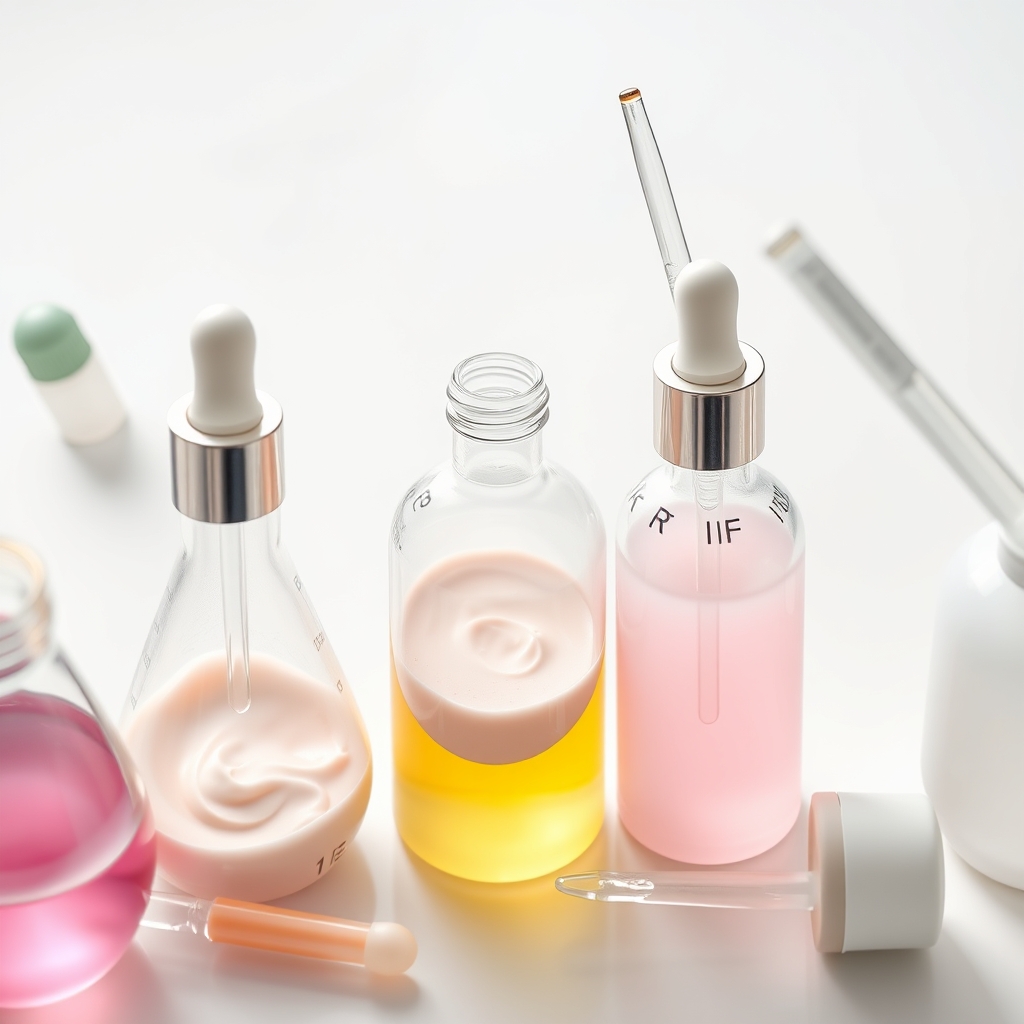
Philippine consumers have shown strong interest in scalp health, anti-hair-fall actives, and ingredient-led storytelling — not unlike the broader K-beauty-influenced trends across Southeast Asia. Collagen is one ingredient category worth exploring beyond skincare: collagen-infused hair treatments and leave-in formulas are gaining traction as brands look for cross-category ingredient stories that tie a hair line back to a skincare or supplement range under the same brand. When discussing formulas, ask your manufacturer what actives are readily available versus what would require custom sourcing, since this affects both cost and timeline.
Packaging, Positioning, and Brand Strategy
Hair care is a crowded shelf, and packaging is often what gets a bottle picked up in the first place. Beyond bottle shape and pump mechanism, think about how your packaging choices support your broader brand strategy — are you positioning as a premium salon-grade line, a clean/herbal brand, or an affordable everyday range? A good OEM/ODM partner should be able to offer packaging options across these tiers and advise on what's realistic for your target price point. This is also the stage where brand building really starts: your naming, visual identity, and packaging finish all need to align with the story you're telling before the product ever reaches a shelf in Manila or Cebu.
Documentation and Exporting to the Philippines
Every market has its own import and cosmetic registration requirements, and the Philippines is no exception — rules can change, so it's worth checking directly with the relevant customs or regulatory body in your country before finalizing orders. What you can reasonably ask your manufacturing partner for is clarity on what documentation is typically provided per product (such as GMP or ISO facility certification, or ingredient lists), and whether halal or other certifications are available for specific items. Treat this as a conversation to have early, not something to sort out after production is done.
Need expert support?
Leave your details and our team will get back to you.
FAQ
Frequently asked questions
How do I know if a Thai OEM manufacturer can handle hair care specifically, not just skincare?
Ask directly about their hair care catalogue — shampoo, conditioner, treatment, scalp serums — and request examples of formulations in that category. A manufacturer strong in skincare isn't automatically equipped for hair care's different viscosity, surfactant, and stability requirements, so it's worth confirming this upfront.
Can I start with a small, simple hair care line and expand later?
Yes, this is common. Many brand owners start with one or two SKUs via an ODM formula to test the market, then move into OEM or full custom product development as the brand grows and they have clearer data on what customers want.
Do I need my own certifications to sell hair care products in the Philippines?
Requirements depend on the product type and import regulations, which can change, so it's best to check with the appropriate regulatory body in the Philippines directly. On the manufacturing side, ask your partner what documentation is provided per product so you have what's needed to start that conversation.
What's the difference between working with a factory directly and working with a partner like 5FINE?
Going directly to a factory can work if you already have formulation expertise, packaging sourcing, and export logistics sorted. A partner model is built to cover product development, brand strategy, packaging, documentation, and logistics as one coordinated process, which is often more manageable for brand owners who don't want to manage multiple vendors separately.
Prepared by the 5Fine team for informational purposes. Some links may lead to referred partners.
Articles
Related articles
Gia công serum Thái Lan: chọn hướng đi nào cho thương hiệu riêng?
Gia công serum Thái Lan là bước đi nhiều chủ thương hiệu chọn cho sản phẩm đầu tiên, vì serum dễ kể câu chuyện thành phần và dễ định giá.

OEM Serum Manufacturer Thailand: A Buying Guide for Brand Owners in the Philippines
Filipino beauty entrepreneurs, distributors, and KOLs looking to launch a serum line are increasingly turning to Thailand — home to a dense network of GMP-certified labs, experienc

مصنع مستحضرات تجميل بالجملة للعلامات الخاصة: دليل الاختيار
اختيار مصنع مستحضرات تجميل بالجملة للعلامات الخاصة قرار يحدد شكل منتجك وتكلفته وقدرتك على التوسع. هذا الدليل يشرح نماذج الإنتاج الثلاثة، وما يجب التحقق منه في ملف أي شريك تصنيع.