
Guide
OEM vs ODM Cosmetics: What's the Real Difference (And Which Fits Your Brand)?
If you're planning to launch a beauty line, you've probably run into these two acronyms everywhere: OEM and ODM. They get used almost interchangeably in supplier emails and sourcin
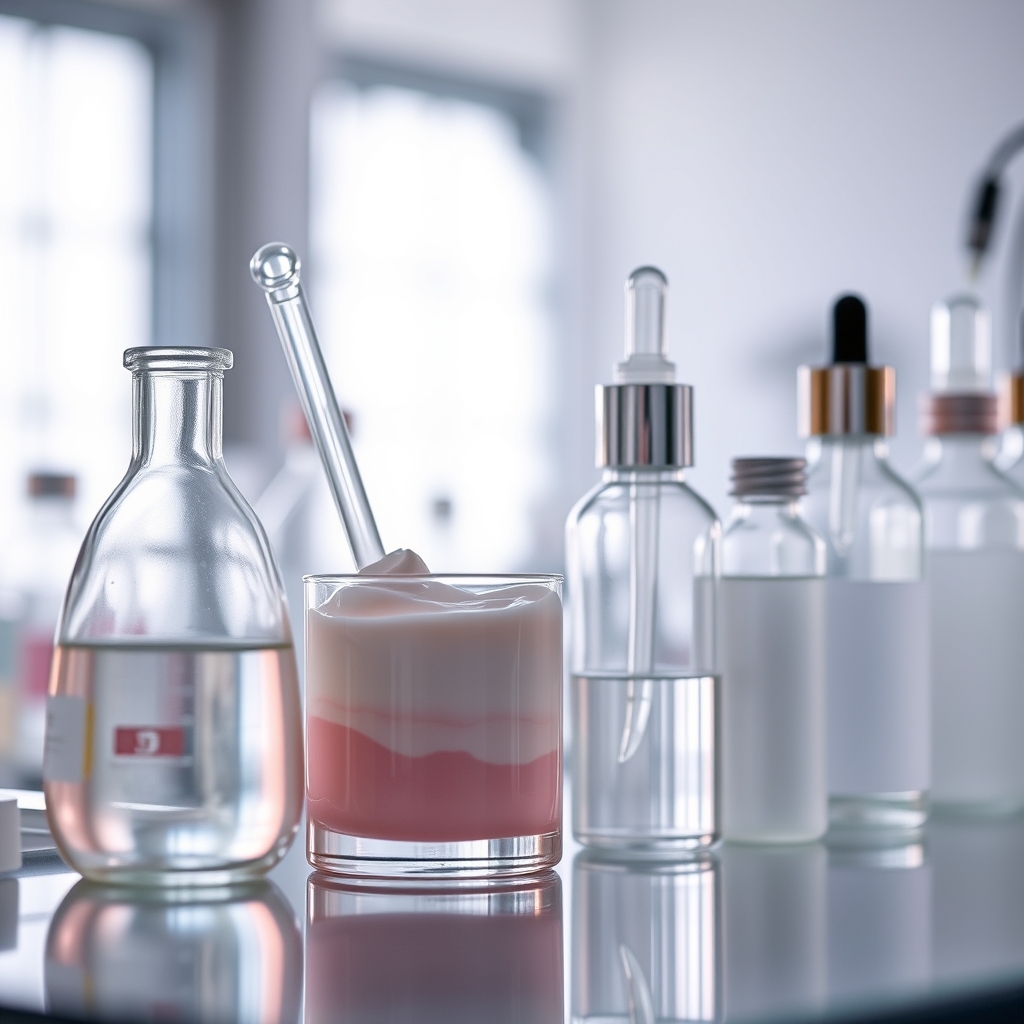
If you're planning to launch a beauty line, you've probably run into these two acronyms everywhere: OEM and ODM. They get used almost interchangeably in supplier emails and sourcing forums, but they actually describe two very different ways of building a product line — and picking the wrong one can cost you time, budget, and control over your brand identity. For brand owners, distributors, and KOLs in the Philippines looking to start your brand in the beauty and wellness space, understanding the OEM vs ODM cosmetics difference early on makes every decision after that — from manufacturer selection to packaging to timeline — much clearer.
OEM Cosmetics: Manufacturing to Your Specifications
OEM stands for Original Equipment Manufacturer. In practice, this means you — the brand owner — come to the manufacturer with a formula, a spec, or at least a clear direction for what you want produced. The factory then manufactures the product according to those specifications, under your brand name and packaging. OEM skincare is a common path for brand owners who already have a formulation in mind, or who have worked with a chemist or lab and simply need production capacity, quality control, and export handling. The advantage is control: you dictate the ingredients, texture, and positioning. The trade-off is that you typically need more technical input upfront, since the manufacturer is executing your vision rather than offering one ready-made.
ODM Cosmetics: Starting From an Existing Formula
ODM, or Original Design Manufacturer, works differently. Here, the manufacturer already has a catalogue of developed formulas, packaging concepts, and sometimes even branding templates. You select from what's available, customize branding and packaging, and the product goes into production — often faster, since the formula development and testing stage is already behind you. For a new brand owner without an in-house R&D team, ODM is often the lower-friction entry point: you reduce technical risk by relying on formulas that have already gone through development, and you can focus your energy on brand building instead of chemistry.

Where the Two Models Actually Overlap
In real sourcing conversations, the line between OEM and ODM blurs quickly. Many private label skincare projects start as ODM — picking a base formula — and evolve into something closer to OEM as the brand requests tweaks to fragrance, texture, or active ingredients. A capable skincare manufacturer should be able to move fluidly between the two, adjusting an existing formula to your preference rather than forcing you into a strict binary. This is also where full custom development comes in: a third path where the manufacturer and brand co-create a formula from scratch, usually reserved for brands with a very specific positioning or ingredient story they want to own.
How to Decide Between OEM and ODM for Your Brand
The right choice usually comes down to three questions: How fast do you need to launch? How much technical/formulation expertise do you or your team have? And how differentiated does your product need to be from what's already on the market? If speed and simplicity matter most, ODM lets you skip the formula development stage entirely. If you already have a clear product vision, ingredient preferences, or you're repositioning a concept that doesn't exist in a standard catalogue, OEM gives you the control to get there. Distributors and KOLs in the Philippines often start with ODM for their first SKU to test the market, then move into OEM or custom formulation once they understand what their audience responds to.

What a Good Manufacturing Partner Should Offer, Regardless of Model
Whether you go OEM or ODM, the manufacturer relationship matters more than the acronym. Look for a partner that can support product development end to end — not just mixing and filling, but packaging design, documentation support for your target market, and guidance through production and export. This is particularly relevant if you're building for multiple markets at once, since requirements can vary and it's worth checking with your local customs or import authority on what's needed. A partner experienced in both OEM and ODM work, with access to manufacturing networks across different countries, also gives you more flexibility as your brand strategy evolves — you're not locked into one factory's limited formula library or production capability.
Building the Brand Around the Product
Choosing a manufacturing model is only one piece of the puzzle. Brand building — your name, visual identity, packaging story, and market positioning — is what actually gives the product shelf appeal once it's produced. This is where many first-time brand owners underestimate the work involved, assuming that a good formula alone will carry the brand. In reality, the strongest launches pair a solid product with clear brand strategy from day one, so that packaging, messaging, and product quality all point in the same direction. If you're weighing OEM against ODM, it's worth having this conversation with your manufacturing partner early, since some are equipped to support branding decisions alongside production, while others only handle the physical manufacturing side.
Need expert support?
Leave your details and our team will get back to you.
FAQ
Frequently asked questions
Is ODM cheaper than OEM for cosmetics?
It depends on the product and the scale of customization you need — pricing and minimums vary by item and quantity, so it's best discussed directly with a manufacturer during quoting rather than assumed in general terms.
Can I switch from ODM to OEM later for the same brand?
Yes, this is common. Many brands launch their first SKU through ODM to move quickly, then shift to OEM or full custom formulation for later products once they have a clearer sense of their audience and positioning.
Do I need my own formula to work with a skincare manufacturer?
No. If you don't have a formula yet, ODM lets you start from an existing one. If you do have specific requirements or an existing formula, OEM lets the manufacturer produce to your spec.
What documentation will I need for my target market?
This varies by country and product type. Documentation is typically prepared per item according to the destination market, and it's worth checking with your local import or customs authority for specific requirements before finalizing your launch plan.
Prepared by the 5Fine team for informational purposes. Some links may lead to referred partners.
Articles
Related articles
Beauty Product Manufacturer Thailand: A Guide for PH Brand Owners
Choosing a beauty product manufacturer in Thailand is one of the biggest decisions a Philippine brand owner will make, because the partner you pick shapes your formula, your packag
ขั้นตอนสร้างแบรนด์เครื่องสำอาง: คู่มือฉบับสมบูรณ์สำหรับเจ้าของแบรนด์มือใหม่
หลายคนฝันอยากมีแบรนด์เครื่องสำอางเป็นของตัวเอง แต่พอเริ่มลงมือจริงกลับไม่รู้ว่าต้องเริ่มจากตรงไหน ต้องติดต่อใคร ต้องเตรียมเอกสารอะไรบ้าง และจะเลือกโรงงานผลิตอย่างไรให้ได้คุณภาพที่ว
Private Label vs Custom Formulation: Which Path Fits Your Brand?
If you're planning to start your brand in skincare or wellness, one of the first decisions you'll face is private label vs custom formulation. The choice shapes your timeline, your