
Buying guide
White Label Sunscreen Manufacturer: A Brand Owner's Guide for the UAE
Choosing a white label sunscreen manufacturer is one of the more technical decisions a beauty brand owner will make, because sun care combines formulation science, claims and packa
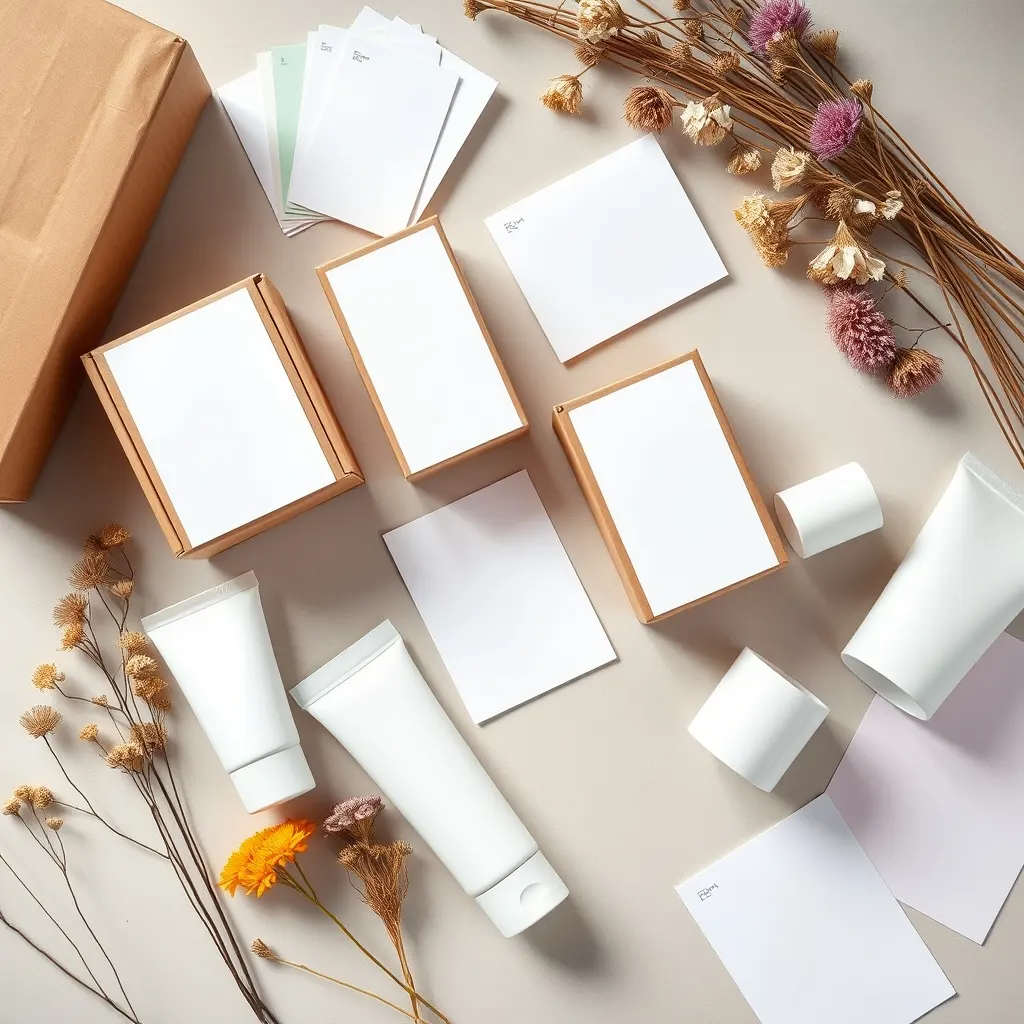
Choosing a white label sunscreen manufacturer is one of the more technical decisions a beauty brand owner will make, because sun care combines formulation science, claims and packaging in a single product. This guide explains how to choose a route, a format, a testing plan and a packaging approach before you brief a partner.
White label, private label or custom: choosing your route
Sun care is a category where the path you take changes your workload considerably, so it helps to define the three common routes before talking to any partner. A white label or ready-formula route means you select an existing, already developed sunscreen formula from a manufacturer's range and put your brand on it. This is the most direct way to start your brand, because the formulation work is largely done and your effort goes into positioning, naming, packaging and market preparation. An OEM route means the manufacturer produces to your own formula or specification, which suits brands that already have a technical team or a formula to protect. A full custom route means co-developing a new formula with the manufacturing partner, which gives the most differentiation but needs the most briefing, sampling and testing.
For a first sun care product, many brand owners start with a ready formula and then evolve toward customization once they understand their customers. In 5FINE's model, the ODM, OEM and full custom paths are all available through a network of GMP-certified partner factories, with one point of contact managing the project. Whichever route you choose, write down your target customer, climate and usage occasion first. A sunscreen for daily city wear is a different brief from one for the beach, and clear intent makes every later decision easier.
Formats and textures that suit hot, humid climates
In hot and humid regions such as the Gulf, texture is not a cosmetic detail, it is the reason customers reapply or abandon a product. Heavy, greasy sunscreens are often left in the drawer, while lighter textures get used daily. When you review formats, think about how each feels on skin after an hour outdoors, how it sits under makeup, and how it behaves in a car or a handbag at high temperature.
Common formats to evaluate include: - lightweight fluids and gel-creams for daily facial wear - richer creams for dry skin or body use - mineral-leaning or hybrid concepts for customers who prefer them - stick and compact formats for reapplication on the go - body lotions with sun protection for larger-area use
Each format has a different filter system, stability profile and packaging need, so discuss them with your skincare manufacturer early rather than choosing from a mood board. Ask for samples of two or three textures and test them in real conditions with your own team and a few trusted customers. Collect feedback about stickiness, white cast, scent and finish. For a regional brand, also think about scent: many customers prefer fragrance-free or very light scent in sun care. Treat texture as a positioning tool, not just a technical outcome, because it defines how your brand feels to the customer every day.

Claims, testing and market documentation
Sunscreen claims are among the most regulated statements in cosmetics, so plan for them from the first brief rather than at the end. Claims such as protection levels, broad-spectrum statements, water resistance or suitability for sensitive skin typically rely on testing or substantiation, and the expectations differ by destination market. Any such claim on your pack should be supported by appropriate evidence for the market where you sell.
This article is general information, not regulatory advice. Always check current requirements with the competent authority and your customs or regulatory advisor in the country where the product will be sold, since rules change. With a manufacturing partner, the useful questions are practical: which tests are normally run for your chosen format, what documentation can be prepared for your target market on request, and what labelling information you will need to supply, such as ingredient lists and usage directions.
Be cautious with marketing language as well. Keep claims proportional to what has been substantiated and avoid absolute promises about protection or results. Ask that your formula, test plan and artwork are reviewed together, because a change to one often affects the other. Documents are provided according to the product and the target market, and not every item will carry the same set, so confirm this per SKU when you place your order. A clear claims plan saves a surprising amount of rework later.
Packaging that protects the formula and the brand
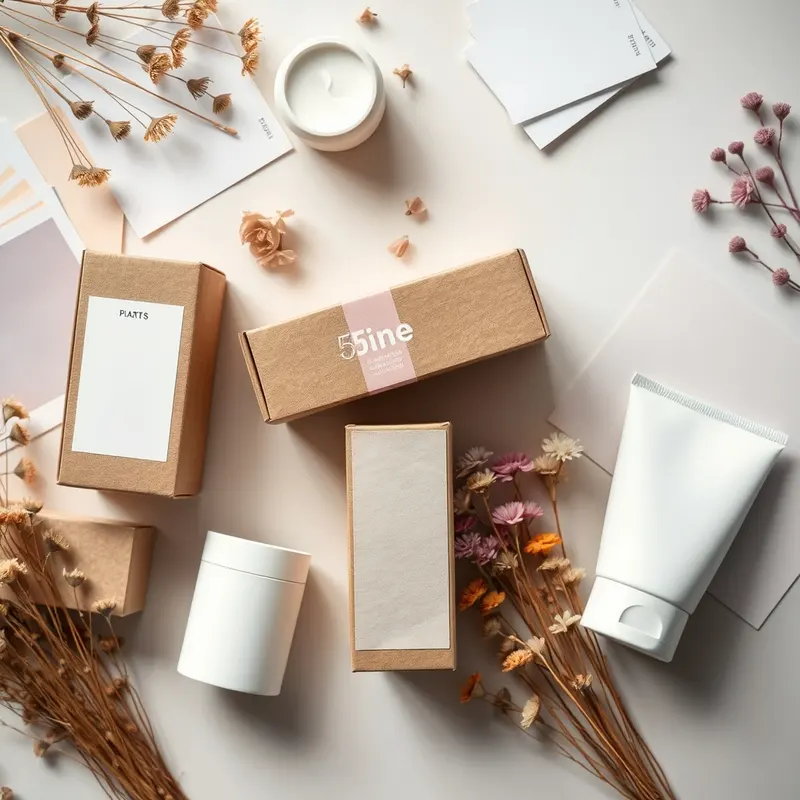
Packaging for sun care has two jobs: protect a sensitive formula and communicate your brand. Sunscreen is exposed to heat, light and repeated handling, so the pack must resist leakage and keep the formula stable. Tubes are popular for their light weight and easy dosing, airless pumps help preserve formulas and limit contamination, and sticks and compacts suit on-the-go reapplication. Glass can look premium but is less practical for beach and pool use, so consider where your customers will actually carry it.
Decorative choices matter too. Printing, hot stamping and finishing can lift a product from ordinary to premium, but test that inks and coatings survive sweat, sunscreen oils and heat. Ask for pack compatibility testing with the actual formula, and check closures, pumps and tube seals with real filled samples, not just empty components. A global sourcing approach, where design, components and filling are coordinated by one team, reduces the risk of mismatched parts.
For planning, the standard minimum for OEM and ODM production with 5FINE is 1,000 units per SKU, and exact pricing depends on product and quantity, which the team advises at quotation. Keep your range tight at launch, perhaps two or three SKUs with clear roles, such as a daily face fluid, a body lotion and a travel size. A focused line is easier to produce, easier to explain and easier to scale.
Building a family-friendly line and preparing your brief
Many sun care brands eventually add products for sensitive skin and for families. A gentle, simple line can sit alongside your core range, and the same thinking used in baby skincare, which favors mild formulas and restrained fragrance, can inform products for customers with sensitive skin. Be careful with claims here as well, and speak with your partner about what testing and documentation fit your target market.
Before you contact any manufacturer, prepare a short brief. Include your target customer and market, the format and texture you prefer, any ingredient preferences or exclusions, your packaging ideas and inspiration, your planned number of SKUs, and the timeline you are working toward. The more precise the brief, the faster a partner can recommend suitable formulas and components. A structured process helps too: discovery and consultation, concept and positioning, formula and sample development, design and packaging, documentation, production, quality control, and logistics and export.
If you are ready to start your brand in sun care, 5FINE works with brand owners from idea to global shelf, using partner factories across Thailand, Korea, Japan and Dubai under one point of contact. Our team will advise on suitable routes, but you should always do your own due diligence and confirm requirements for your target market before committing.
Need expert support?
Leave your details and our team will get back to you.
FAQ
Frequently asked questions
What is the difference between white label and private label sunscreen?
The terms are often used interchangeably, but white label generally means choosing an existing ready formula and applying your brand, while private label can also include formulas adjusted for your brand. Both are faster than building a formula from scratch. Ask the partner exactly what can be customized in color, scent, texture and packaging.
What minimum order should I plan for with 5FINE?
The standard minimum for OEM and ODM production is 1,000 units per SKU. Exact pricing depends on the product, packaging and quantity, and the team advises on it when preparing a quotation. Keeping your launch range to a few focused SKUs helps you manage that quantity sensibly.
Do I need testing before selling sunscreen in my market?
Sun care claims usually need to be supported by evidence, and requirements differ by country. Confirm current rules with the relevant authority and your regulatory advisor in your target market. Your manufacturing partner can discuss which tests are typically relevant and what documentation can be prepared on request for your chosen product.
Prepared by the 5Fine team for informational purposes. Some links may lead to referred partners.
Articles
Related articles

Private Label Collagen Supplement Manufacturer: A Buying Guide for Philippine Brands
Collagen is one of the fastest-moving wellness categories in the Philippines, and more founders — from skincare clinics to influencers to distributors — are asking the same questio

OEM Collagen Drink Manufacturer: A Buyer's Guide for Brands in the UAE
Collagen drinks remain one of the fastest-moving categories in beauty and wellness across the GCC, and UAE brand owners, distributors, and clinics are increasingly looking beyond r
How Long Does It Take to Develop a Skincare Product? A Realistic Timeline for Brand Owners
If you're planning to start your brand in skincare, one of the first questions that comes up is simple but hard to answer: how long does it take to develop a skincare product? The

Private Label Cosmetics Thailand Low MOQ: A Buyer's Guide for PH Brand Owners
If you're a Philippine brand owner, KOL, or distributor searching for "private label cosmetics Thailand low MOQ," you're likely weighing two things at once: how to keep your first
OEM Supplement Manufacturer Thailand: A Buyer's Guide for Brand Owners in the UAE
If you're a brand owner, distributor, or entrepreneur in the UAE looking to launch a supplement line, Thailand has quietly become one of the most capable manufacturing hubs in Asia
Private Label vs Custom Formulation: Which Path Fits Your Brand?
If you're planning to start your brand in skincare or wellness, one of the first decisions you'll face is private label vs custom formulation. The choice shapes your timeline, your