
Buying guide
Contract Manufacturing Skincare: How It Works for Brand Owners
Contract manufacturing skincare lets a brand owner launch a serum, cream or sunscreen without owning a lab or a production line. Here is how the model works and what you decide.
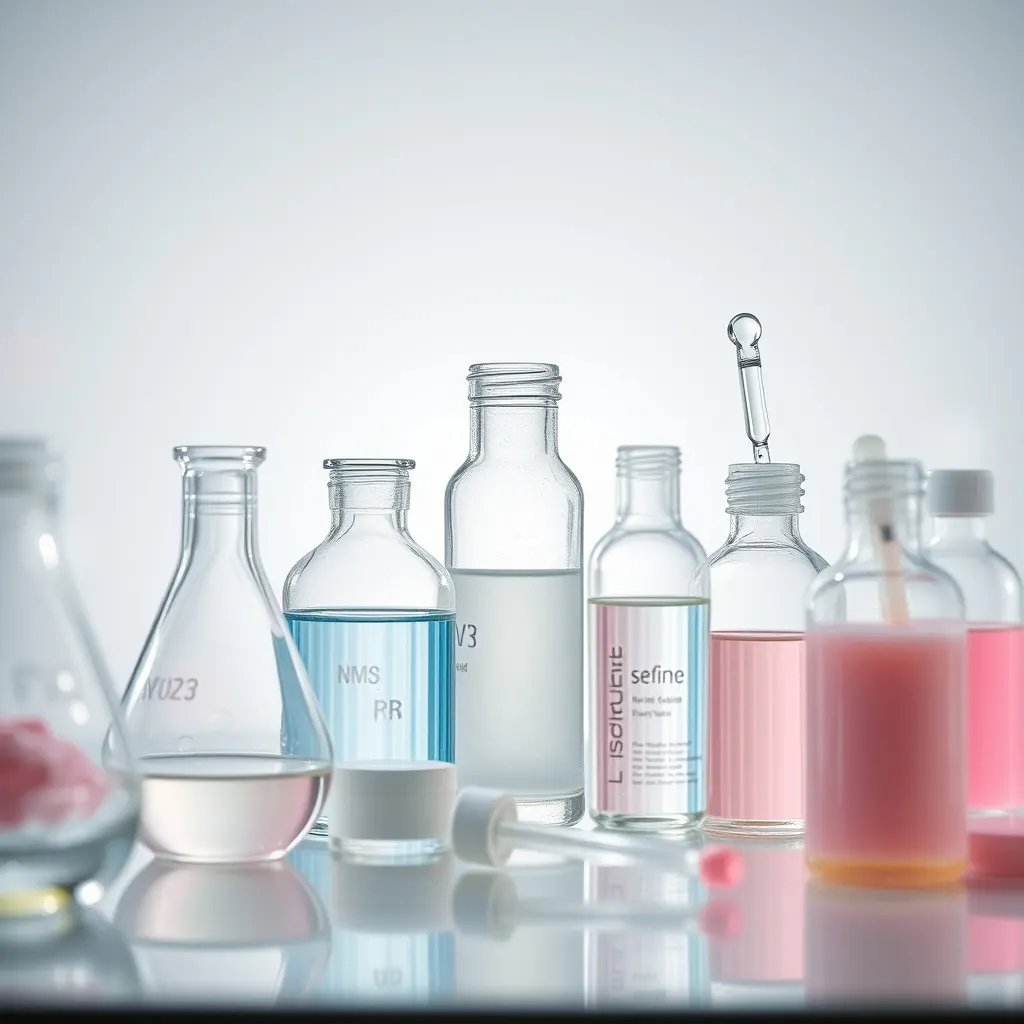
Contract manufacturing skincare is the model behind most of the serums, creams and sunscreens you see launched by creators, clinics and retail chains: the brand owns the concept and the customer, and a specialised manufacturing partner handles formulation, filling, testing and documentation. It is a sensible way to enter the beauty market, but it is not a shortcut around decisions. This guide walks through how the model works, what shapes a quotation, and the questions a brand owner should settle before the first sample is poured.
What contract manufacturing skincare actually means
In plain terms, contract manufacturing means you hire a third party to make a product that is sold under your brand name. For skincare, that third party is a skincare manufacturer or a production partner that works through certified facilities. You bring the brief, the positioning and the target market; they bring the chemists, the equipment, the quality systems and the regulatory know-how.
There are three common routes inside this model, and they shape everything that follows:
- **ODM (ready formula):** you choose a formula the partner already has, adjust fragrance, colour or texture lightly, and put it in your packaging. Fastest route, least customisation.
- **OEM (your specification):** you supply a formula, an ingredient list or a very precise brief, and the partner produces to that specification.
- **Full custom development:** you and the partner co-develop a new formula from scratch, usually with several rounds of lab samples.
Many first-time brand owners assume custom is always better. In practice, a well-chosen ready formula with the right actives and a strong brand story often reaches the market faster and with fewer surprises, and the budget saved can go into packaging and launch marketing. The right route depends on how distinctive your product promise must be, how quickly you need to launch, and how much testing your target market requires.
The process, step by step
Whatever route you choose, a skincare project moves through a fairly predictable sequence. Knowing it in advance helps you plan cash flow and avoid the stop-start pattern that delays most first launches.
1. **Discovery and brief.** You describe the product, the skin concern it addresses, the texture, the price tier, the target country and any claims you want to make. A good partner challenges vague briefs here rather than later. 2. **Formula development and lab samples.** The chemist proposes a base, selects actives and preservatives, and sends small samples. Expect feedback rounds on texture, scent, absorption and stability. 3. **Packaging selection.** Bottle, pump, tube or jar is chosen together with the formula, because viscosity and air sensitivity dictate what works. An airless pump protects vitamin C differently from a jar. 4. **Documentation and testing.** Stability, microbial and compatibility tests are run as required, and the ingredient list, labelling and product information file are prepared for your destination market. 5. **Production, filling and QC.** The bulk is manufactured, filled, inspected against the approved sample and released. 6. **Logistics and export.** Goods are packed, documents issued per item, and shipped under the agreed terms.
Timelines are confirmed at quotation stage, because they depend on how many sample rounds you need, packaging availability and the tests your market demands. A partner that promises a fixed number of days before seeing your brief is guessing.

What shapes the quotation
Brand owners often ask for a price per unit before anything else. A responsible partner will answer with questions, because the unit cost of contract manufacturing skincare is built from several moving parts:
- **Formula complexity.** Peptides, encapsulated actives, high-percentage vitamin C or SPF systems cost more to develop, stabilise and test than a simple hydrating gel.
- **Packaging.** Glass versus PET, standard stock components versus custom moulds, hot stamping, boxes and inserts. Packaging can rival the formula in cost on premium lines.
- **Order quantity.** Production is planned per SKU, and the standard minimum order quantity is 1,000 units per SKU. Larger runs spread set-up costs over more units.
- **Testing and documentation.** Each destination market has its own expectations for stability data, safety assessment and labelling; the cost of meeting them is part of the project, not an add-on.
- **Destination and incoterms.** Where goods ship to and who handles freight and import clearance changes the landed cost.
Because of this, no credible figure exists in the abstract. The pricing depends on the product and the quantity, and the team will advise when quoting. What you can do before asking for a quote is fix the variables you control: decide your SKU count, your packaging tier and your target retail price, then work backwards to the margin you need. That gives the manufacturer something concrete to engineer towards.
How to choose a contract manufacturing partner
Choosing a partner is the decision that carries the most weight, so treat it like hiring a key employee. Credentials matter, but working style matters just as much.
Start with the basics. Production should take place in facilities operating under recognised standards such as GMP, and the partner should be able to explain which standards apply to your product type and which documents are provided per item when you order. Be cautious of blanket statements that every product carries every certification; documentation is specific to each formula and market.
Then look at the development capability. Ask who formulates, how feedback rounds are handled, and whether the partner has worked with your category before, whether that is sunscreen, acne care, herbal skincare or supplements alongside skincare. Ask to see how they translate a brief into a sample, not just a catalogue.
Finally, assess the scope. Some partners only fill and pack. Others manage the whole chain: concept, formula development, packaging design, dossier preparation, production, QC and export support. A one-stop model, such as the OEM/ODM service 5FINE runs through partner GMP factories in Thailand, Korea, Japan and Dubai, suits brand owners who do not want to coordinate a lab, a factory, a designer and a forwarder separately. A narrower service suits brands that already have a chemist and a packaging supplier in place. Neither is wrong; the mismatch is what causes friction.

Mistakes first-time brand owners make
The same handful of errors appear in most troubled first launches. None is fatal if caught early.
- **Starting with too many SKUs.** Five products at 1,000 units each is five times the cash, five sets of tests and five packaging runs. Launch with one or two heroes and extend once sales data exists.
- **Choosing packaging after the formula is final.** A water-light essence and a thick balm need different closures. Decide them together.
- **Treating samples as approved too fast.** Test the lab sample on real skin for a few weeks, in the climate where you will sell, before signing off. Texture that feels right in an air-conditioned office can behave differently in humid markets.
- **Writing claims before checking the rules.** Words like whitening, anti-acne or medical-sounding promises are regulated differently by market. Check with the relevant authority or a regulatory consultant in your country before printing labels.
- **Underfunding the launch.** Production is only part of the budget. Photography, content, listings, influencer seeding and inventory for reorders need their own line.
- **Ignoring the reorder plan.** The first run proves the product; the second run proves the business. Agree in advance how repeat production will be scheduled.
A useful habit is to keep a one-page decision log: what was decided, why, and what it depends on. It keeps conversations with the manufacturer short and prevents revisiting settled points.
Is contract manufacturing right for your brand?
Contract manufacturing skincare is a strong fit when your advantage lies in brand, audience and distribution rather than in proprietary chemistry. Creators with an engaged following, clinics and salons with a loyal client base, distributors wanting a private label skincare range next to the brands they already carry, and retail chains building an own-label tier all fall into this group. They do not need to own a factory; they need a dependable production partner and a clear plan.
It is a weaker fit if your entire proposition is a never-seen-before ingredient technology you intend to patent, or if your volumes are far below a standard production run. In those cases, licensing or a longer research phase may come first.
If you are ready to start your brand, the practical next step is not a price request but a brief: product type, target market, texture, hero ingredients, packaging tier, launch window and the number of SKUs. With that in hand, a partner can propose a route (ready formula, your specification or full custom), outline the documents your market will need, and confirm timing and cost at quotation. Working this way turns a vague ambition into a project with stages, owners and dates, which is what separates brands that launch from brands that stay in the planning folder.
Need expert support?
Leave your details and our team will get back to you.
FAQ
Frequently asked questions
What is the difference between contract manufacturing and private label?
Private label usually means putting your brand on a product the manufacturer already makes, with light changes. Contract manufacturing is the broader term and includes private label as well as production to your own specification or fully custom formulas developed together with the partner. Many brands start with private label and move to custom development once sales justify it.
How many units do I need to order?
Production is planned per SKU, and the standard minimum order quantity is 1,000 units per SKU. That figure keeps batch sizes efficient for filling, testing and packaging. If your plan involves several products, it is usually wiser to launch fewer SKUs at that quantity than to spread a limited budget thinly across many.
Who handles the regulatory paperwork for my country?
The manufacturing partner prepares the technical documents that relate to the product, such as ingredient lists, test reports and product information, and provides them per item when you order. Registration or notification in your own market is usually the brand owner's responsibility, so check the exact requirements with the relevant authority or a local regulatory consultant early in the project.
Can I supply my own formula?
Yes. That is the OEM route: you provide the formula or a precise specification and the partner produces to it. The chemist will still review it for stability, preservation and compatibility with your chosen packaging, and may suggest adjustments before production, which protects both the product and your brand.
Prepared by the 5Fine team for informational purposes. Some links may lead to referred partners.
Articles
Related articles
How to Start Your Own Skincare Brand: A 7-Step Plan for Brand Owners
Learning how to start your own skincare brand is less about finding a factory and more about making seven decisions in the right order. This plan walks brand owners from positioning to first production.
Private Label Supplements Thailand: A Buyer's Guide for Brand Owners in the Philippines
If you're a Filipino entrepreneur, distributor, or clinic owner exploring private label supplements thailand options, you've probably noticed the country sits at the center of a st
Gia công thực phẩm chức năng Thái Lan: 6 quyết định của chủ thương hiệu
Gia công thực phẩm chức năng Thái Lan là hướng đi nhiều chủ thương hiệu Việt cân nhắc khi muốn có dòng collagen, vitamin hay thực phẩm bổ sung mang tên mình. 6 quyết định cần có trước khi báo giá.