
Guide
Cosmetic Product Development Process From Idea to Shelf: A Guide for Brand Owners in the Philippines
Launching a beauty or personal care brand in the Philippines often starts with a strong idea—but turning that idea into a product sitting on a retail shelf or an online store invol
Launching a beauty or personal care brand in the Philippines often starts with a strong idea—but turning that idea into a product sitting on a retail shelf or an online store involves far more than a good concept. The cosmetic product development process from idea to shelf spans formulation, packaging, documentation, manufacturing, and quality checks, and each stage carries decisions that affect cost, timeline, and market fit. This guide walks Philippine brand owners, distributors, and startups through what actually happens between "I have an idea" and "the product is ready to sell," so you know what to expect and what questions to ask any manufacturing partner.
1. Discovery and Concept Definition
Before any formula or packaging is discussed, a serious manufacturing partner will want to understand your brand positioning, target consumer, price point, and the markets you plan to sell in—whether that's domestic Philippine retail, e-commerce, or export to neighboring Southeast Asian markets. This stage also clarifies which product category you're entering: skincare, hair care, fragrance, supplements, or more specialized lines like baby care OEM or home care OEM. Getting this right early prevents costly changes later, since packaging, claims, and even formula structure depend on who the product is for and where it will be sold.
2. Formula Development: Ready-Made vs. Custom
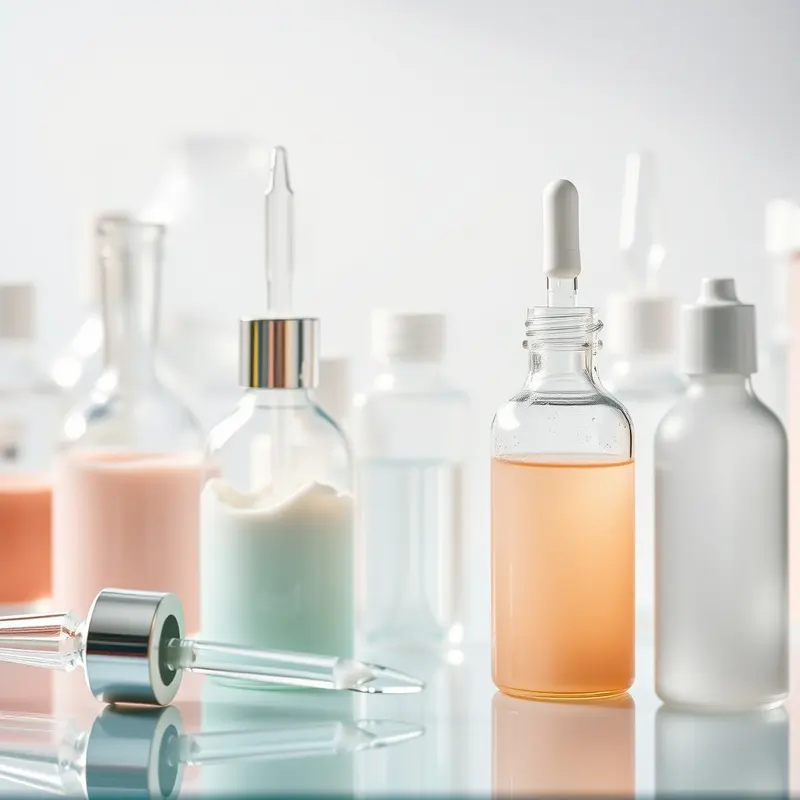
This is where the cosmetic product development process from idea to shelf really takes shape. Brand owners generally choose between three paths: ODM, where you select from existing, proven formulas and customize branding; OEM, where production follows a formula or spec you already have; and full custom development, where the formula is built from scratch to match a specific concept. Formula development at this stage covers active ingredient selection, texture, stability testing, and sensory experience—because a product that looks good on paper still needs to perform well on skin or hair and hold up during shipping and shelf storage in a tropical climate like the Philippines'.
3. Packaging and Brand Identity
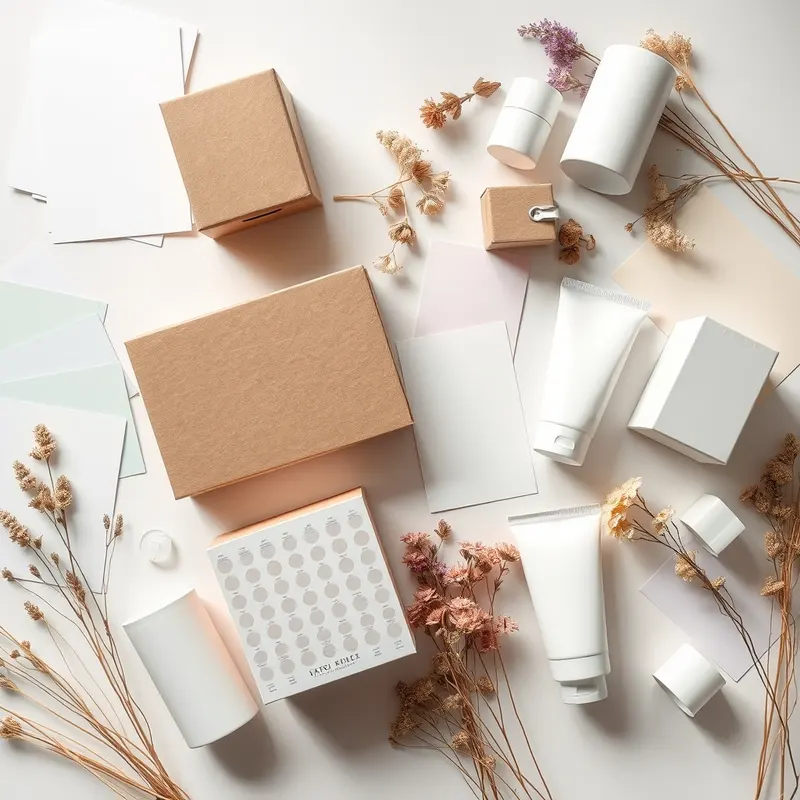
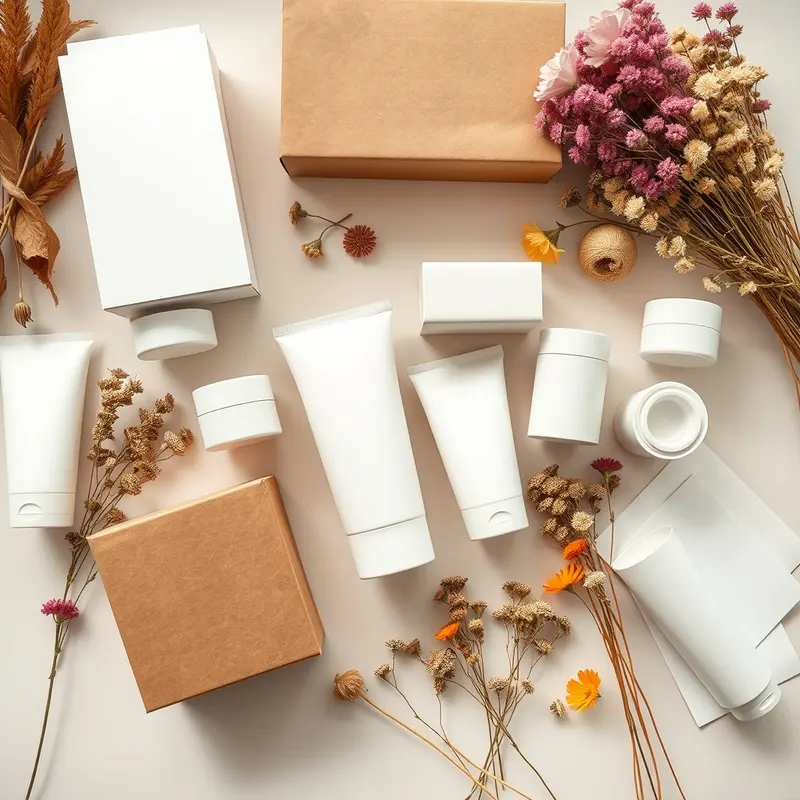
Packaging does double duty: it protects the formula and it sells the product on the shelf. Decisions here include bottle or jar type (airless pump, dropper, tube, glass), finishing (hot stamping, custom shapes), and label compliance for your target market. For categories like private label skincare, packaging is often what differentiates one brand from another even when formulas are similar, so this stage deserves real attention rather than being treated as an afterthought once the formula is locked.
4. Documentation and Certification Readiness
Depending on your destination market, you may need safety data sheets, ingredient documentation, or certificates tied to the product category—for example, halal documentation for certain herbal or personal care items, or GMP-related paperwork for retail partners. Philippine brand owners should check with the FDA Philippines or their relevant customs and import authority for exact requirements, since rules vary by product type and intended claims. A manufacturing partner can prepare documentation per product upon order, but it's worth confirming early what your specific market and retailers will require.
5. Manufacturing and Quality Control
Once formula and packaging are finalized, production moves to the factory floor. This typically includes pilot batches, quality checks at multiple stages, and final inspection before packing. Specialized categories deserve specialized facilities—herbal balm production, for instance, benefits from manufacturers experienced in traditional and topical herbal formats, while fragrance or home care lines have their own production nuances. Working with a partner that manages a network of certified facilities across categories means you're not forced to compromise quality just because your product line is niche.
6. Logistics and Getting to Shelf
The final stretch of the cosmetic product development process from idea to shelf is export and distribution. This involves packing for shipment, export documentation, and coordinating with your logistics partner to get products from the factory to your warehouse or retail shelf in the Philippines. Timelines here depend heavily on product type, destination, and order volume, so it's best confirmed directly with your manufacturing partner once your order is finalized rather than assumed upfront.
Need expert support?
Leave your details and our team will get back to you.
FAQ
Frequently asked questions
How long does the cosmetic product development process from idea to shelf usually take?
Timelines vary significantly depending on whether you choose an existing formula (ODM), your own spec (OEM), or full custom development, as well as packaging complexity and documentation needs. It's best discussed directly with your manufacturing partner once your product category and requirements are clear.
What is the minimum order quantity for OEM cosmetic manufacturing?
A common standard in the industry is MOQ 1,000 units per SKU, though this can vary by product and manufacturer. It's worth confirming this alongside your product brief when requesting a quote.
Can I develop a private label skincare line without an existing formula?
Yes. Many brand owners start with private label skincare using ready-made formulas (ODM) to launch faster, then move toward custom formulation as the brand grows and specific positioning needs develop.
Do I need to worry about FDA registration in the Philippines for OEM products?
Import and registration requirements depend on your product category and claims. It's recommended to check directly with the FDA Philippines or your customs broker for the exact requirements that apply to your product line.
Prepared by the 5Fine team for informational purposes. Some links may lead to referred partners.
Articles
Related articles
Skincare Packaging Design for New Brands: A Practical Guide for Founders
For a new skincare brand, packaging is often the first — and sometimes only — chance to make an impression on a retail shelf or a scrolling thumb. Yet many founders treat packaging
Private Label Glutathione Soap Manufacturer: A Brand Owner Guide
Glutathione soap is one of the most requested categories among Philippine beauty brands, and most founders begin by looking for a private label glutathione
KOL làm mỹ phẩm riêng bắt đầu từ đâu? 6 quyết định đầu tiên
Câu hỏi KOL làm mỹ phẩm riêng bắt đầu từ đâu thường được trả lời bằng một cái tên nhà máy. Thực tế, nhà máy là bước thứ ba hoặc thứ tư trong hàng việc.