
Buying guide
Supplement Contract Manufacturing: 6 Decisions Brand Owners Must Make Before Production
Supplement contract manufacturing success depends on decisions made before production starts. Brand owners must clarify 6 critical factors: target audience, product format, formula
Contract manufacturing a supplement sounds like the factory handles everything, but your brand's quality is determined long before production begins. Brand owners who reach launch day without wasting money are those who make 6 key decisions clearly before requesting a quotation. This article covers each decision, with questions you should ask yourself and your manufacturing partner to make conversations with product development teams shorter and more focused.
1. Who Is Your Customer and Why Do They Buy
Before discussing formula, answer who this product is for. Saying "everyone who cares about health" signals incomplete thinking. Successful supplements address one specific problem for one specific group—such as office workers with sleep deprivation, women 35+ concerned about skin and joints, athletes seeking protein, or seniors who need easy-to-swallow formats.
Your target audience determines everything downstream:
- **Format preference**: Seniors often dislike large capsules, while athletes are accustomed to powder drinks.
- **Price acceptance**: Which reverses back to determine ingredient grade and package size.
- **Sales channel**: Selling via TikTok Shop requires photogenic packaging; selling through clinics requires medical-grade documentation.
- **Communication language**: Detail-reading customers need different information than those buying based on reviews.
A practical approach: Write a clear profile of one customer—name, age, profession, problem, and what they've tried that disappointed them. Take this profile to your product development team. This yields more accurate formula proposals than simply requesting "collagen."
A common mistake: Starting with trending ingredients, then finding buyers later. Trends change faster than production cycles, but customer problems persist.
2. Choose Product Format Based on Formula and Consumption Behavior
Product format (dosage form) is not just preference—it affects how much active ingredient fits in, stability, cost, and user experience. Standard formats available from manufacturing partners in Thailand:
- **Capsules**: Contain herbal powders or extracts straightforwardly and mask taste well. Suit complex formulas with multiple ingredients. Limitation: dose-per-capsule has a ceiling; if customers must take many daily, they may quit.
- **Tablets**: Hold more substance per unit and often cost less per piece than capsules. Large tablets are hard to swallow, and some formulas require binders that require label disclosure.
- **Powder sachets**: Ideal for collagen, protein, fiber, or functional drinks. Deliver high quantity per serving, but taste, solubility, and moisture management require significant development time.
- **Gummies and jellies**: Attractive and photograph well, appealing to those avoiding pills. Active ingredient capacity is limited, and sugar content requires careful consideration.
- **Drinkable shots**: Premium appeal and perceived fast absorption—but packaging and shipping costs run higher.
Ask your formula development team: Can the intended active ingredients actually reach your target dose in this format, or must something adjust? Forcing format to contradict formula creates the root cause of repeated revision cycles.
3. Choose Between Ready Formulas, Modified Formulas, or Full Custom Development
Supplement contract manufacturing offers three pathways, each with different speed, differentiation, and responsibility.
**ODM or ready formulas**: Use existing formulas from your partner, changing only branding and packaging. Fastest option, ideal for testing market fit or filling existing sales channels. Trade-off: the same formula may already be in competitors' hands.
**OEM or specification-based manufacturing**: You define active ingredients, quantities, and requirements; your partner manufactures to your specs. Suits brand owners with ingredient knowledge or existing nutrition consultants.
**Full custom formula development**: Begin with customer problem and target audience, developing a unique formula no one else owns. Requires most time and sample rounds but offers strong differentiation against copying.
Understand this clearly: building your own brand doesn't require the hardest route every time. Many successful brands start with one ODM product to learn their customers, then invest in custom formulas for product two.
Regardless of path chosen, request ingredient specification documents (origin, purity, referenced standards) and clarify in writing who owns the formula when development completes. This point belongs in your contract, not in chat messages.
4. Regulatory Documentation, Registration, and What You Can Claim on Labels
Supplements are regulated products, so brand owners must grasp basic principles even with partner support. Key basics (verify latest details with FDA, TFDA, or a regulatory consultant):
- **Manufacturing facility must meet legal standards.** Production at a partner factory with GMP certification is a baseline requirement, not a selling point.
- **The finished product must be approved or registered** according to its category before sale.
- **Label claims and advertising are restricted.** Terms suggesting treatment, guaranteed weight loss, or medical equivalence rarely pass.
- **Export destinations have their own rules.** Muslim markets need halal documentation; some countries prohibit substances allowed in Thailand.
Questions to ask your manufacturing partner:
- Which document sets do they prepare, and which does your brand handle?
- Has the proposed formula already cleared registration in this format before?
- If your target market is abroad, has the team prepared documentation for that region?
A solid partner will say directly what's possible, what needs adjustment, and what depends on government bodies beyond their control. Anyone guaranteeing government approval is a warning sign.
Plan this from day one, because the claims you intend for marketing often determine what your formula must contain and what documentation you'll need.
5. Packaging, Container Size, and Manufacturing Volume
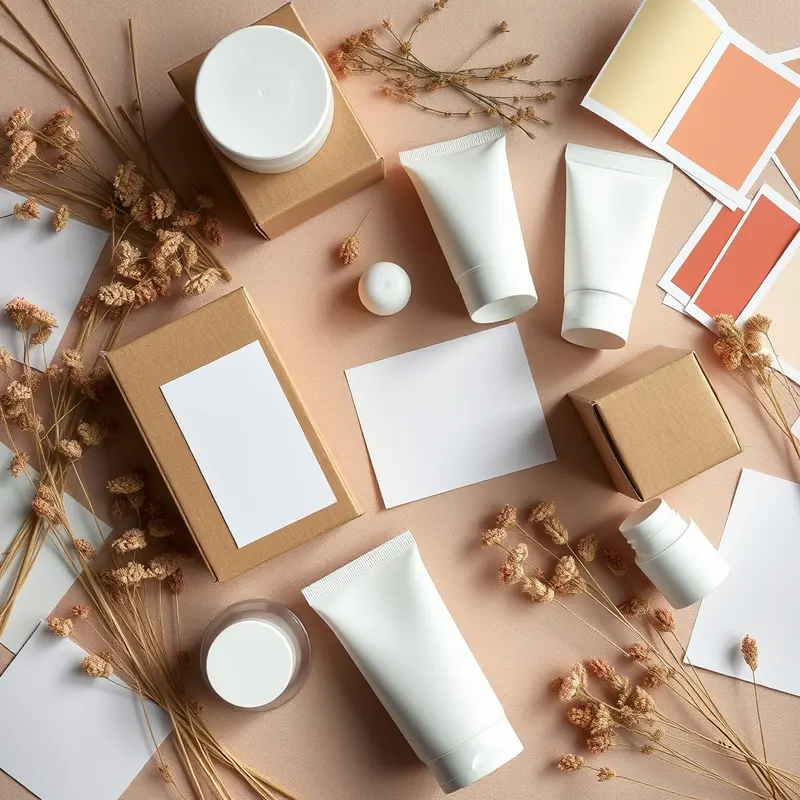
Supplement packaging serves two roles simultaneously: protecting active ingredients from moisture, light, and oxygen while communicating your brand's value on shelves or screens.
Common options:
- **Bottles with desiccant sachets**: Standard for capsules and tablets, appear trustworthy but add weight and shipping bulk.
- **Blister packs**: Portable, sell-able by individual sheets, suited to online channels seeking low entry prices.
- **Stick packs and sealed pouches**: Pair with powder drinks and gummies, requiring materials that block moisture sufficiently or powder clumps.
- **Outer boxes**: Expand communication space and feel premium but add cost and production steps.
**On production volume**: Standard minimum for OEM/ODM manufacturing is 1,000 units per SKU. This covers setup costs, custom-printed packaging, and per-batch testing. Rather than launch multiple SKUs simultaneously, new brands typically start with one or two products they're most confident about, then expand with real sales data.
**Unit pricing** depends on formula, ingredient grade, format, packaging, and quantity. Product development teams provide guidance once they see complete specifications.
**Small insight**: Design packaging to support future line extension. If one day you add a beauty product, a partner handling both supplements and skincare OEM services can keep your entire brand visual direction consistent.
6. Choose Your Manufacturing Partner So You Don't Restart Mid-way
New brand owners often compare unit price, but the real expense is switching partners after the first batch. Use these criteria instead:
- **Service completeness**: From consulting, formula development, design, packaging, documentation, production, quality control to export—if you coordinate 4–5 vendors separately, mistakes happen at the interfaces.
- **Manufacturing facility standards**: Ask where production happens, what standards apply, and request documentation appropriate to your needs.
- **Category-specific experience**: A team that's formulated multiple collagen powders already knows solubility and odor issues before you encounter them.
- **Clear communication**: Answers regulatory and limit questions directly. Never promises what depends on government agencies.
- **Long-term vision**: Can they support expansion to international markets or adjacent product categories later?
Many brand owners choose OEM/ODM partners that manage the entire process and produce through networks of GMP-certified partner factories—for example, 5FINE (5fineglobal.com), which serves as a single point of contact from concept to export and covers related categories from supplements to skincare and fragrance manufacturing. For brands planning future line expansion, this model reduces coordination risk.
Whatever you choose: review samples of similar work, speak directly with the product development team, and carefully read contract terms covering formula ownership and data confidentiality before paying a deposit.
Need expert support?
Leave your details and our team will get back to you.
FAQ
Frequently asked questions
What is the minimum order quantity for supplement contract manufacturing
The standard minimum for OEM/ODM production is 1,000 units per SKU. This figure reflects setup costs, custom-printed packaging, and per-batch testing. New brands typically start with one or two products they're most confident in, rather than spreading investment across multiple formulas simultaneously.
How long does it take to get the finished product
No universal timeframe applies to all projects. Timeline depends on the path chosen (ready formulas are faster than custom development), sample rounds required, packaging availability, and regulatory approval steps—the last factor falls outside manufacturer control. The team confirms timing once specifications are complete and a quotation is issued.
Do I need ingredient knowledge myself
Not essential, but you should understand customer pain points and what message you want to deliver clearly. Partners with product development teams translate that brief into formula proposals, explain each active substance, and clarify label limits. However, basic ingredient research helps you ask better questions and decide faster.
Can I start a supplement brand for export from the beginning
Yes, but disclose your target market during formula development because each country has different permitted ingredients, label requirements, and documentation—such as halal certification. Designing formula and packaging with the end market in mind costs less than reformulating after selling domestically.
Prepared by the 5Fine team for informational purposes. Some links may lead to referred partners.
Articles
Related articles

สร้างแบรนด์เครื่องสำอางเริ่มต้นเท่าไหร่? ไกด์ฉบับเจ้าของแบรนด์มือใหม่
คำถามที่เจ้าของแบรนด์มือใหม่ถามบ่อยที่สุดคือ "สร้างแบรนด์เครื่องสำอางเริ่มต้นเท่าไหร่" แต่ความจริงแล้วไม่มีตัวเลขตายตัวที่ใช้ได้กับทุกแบรนด์ เพราะต้นทุนขึ้นอยู่กับหลายปัจจัย ทั้งปร
ขั้นตอนสร้างแบรนด์เครื่องสำอาง: คู่มือฉบับสมบูรณ์สำหรับเจ้าของแบรนด์มือใหม่
หลายคนฝันอยากมีแบรนด์เครื่องสำอางเป็นของตัวเอง แต่พอเริ่มลงมือจริงกลับไม่รู้ว่าต้องเริ่มจากตรงไหน ต้องติดต่อใคร ต้องเตรียมเอกสารอะไรบ้าง และจะเลือกโรงงานผลิตอย่างไรให้ได้คุณภาพที่ว

โรงงานผลิตเครื่องสำอาง: เลือกอย่างไรให้ได้พาร์ทเนอร์ที่ใช่สำหรับแบรนด์คุณ
สำหรับเจ้าของแบรนด์ KOL หรือผู้ที่กำลังวางแผนเปิดตัวสินค้าความงามของตัวเอง การเลือกโรงงานผลิตเครื่องสำอาง คือจุดเริ่มต้นที่สำคัญที่สุดจุดหนึ่ง เพราะไม่ใช่แค่เรื่องของกำลังการผลิต แ

รับผลิตคอลลาเจน OEM: คู่มือเริ่มต้นสร้างแบรนด์อาหารเสริมของคุณเอง
ตลาดคอลลาเจนในไทยและภูมิภาคอาเซียนยังคงเติบโตต่อเนื่อง ทั้งในรูปแบบผง ชนิดดื่ม แคปซูล หรือผสมผสานกับสารสกัดอื่น ๆ สำหรับเจ้าของแบรนด์ อินฟลูเอนเซอร์ หรือผู้จัดจำหน่ายที่กำลังมองหาพ
สร้างแบรนด์เครื่องสำอาง เริ่มต้นอย่างไร: คู่มือฉบับเจ้าของแบรนด์มือใหม่
หลายคนที่อยากสร้างแบรนด์ของคุณเอง ไม่ว่าจะเป็นอินฟลูเอนเซอร์ที่มีฐานแฟนคลับ เจ้าของธุรกิจที่อยากต่อยอด หรือนักลงทุนที่เห็นโอกาสในตลาดบิวตี้ มักเจอคำถามเดียวกันในวันแรก คือ "ต้องเริ

รับผลิตครีม OEM/ODM: คู่มือสร้างแบรนด์ครีมของคุณเองกับพาร์ทเนอร์ระดับโลก
มองหาบริษัทรับผลิตครีมเพื่อสร้างแบรนด์ของตัวเอง? คู่มือนี้อธิบายความต่างของ OEM, ODM และ Full Custom ประเภทครีมที่พัฒนาได้ ขั้นตอนการทำงาน และวิธีเลือกพาร์ทเนอร์