
Buying guide
Thailand Cosmetics OEM Process Guide: 8-Step Collaboration Roadmap for Singapore Brand Founders
Singapore brand founders are increasingly turning to Thailand for OEM skincare manufacturing: abundant herbal ingredients, mature formulation expertise, and proximity to Southeast

Singapore brand founders are increasingly turning to Thailand for OEM skincare manufacturing: abundant herbal ingredients, mature formulation expertise, and proximity to Southeast Asian markets. But real project success isn't about finding a factory—it's about understanding who's responsible for each step from concept to launch, and what decisions must be made upfront. This guide breaks down Thailand's OEM process into eight stages to help you prepare before your first conversation.
Stage 1: Define Your Brand Strategy Before Approaching Thailand Manufacturers
Many brand founders start by asking, "Can you make a brightening serum?" But that tells a skincare manufacturer almost nothing. What actually shapes your formula development, packaging, and costs is your brand strategy: Are you targeting Singapore office workers or online shoppers across Southeast Asia? Are you focused on efficacy-driven skincare or natural herbal, gentle daily care? Premium department store positioning or mass pharmacy distribution?
Before your first conversation, prepare a one-page brand brief that includes:
- **Target audience**: Age, skin type, purchase channels
- **Product lineup**: How many SKUs for launch, future expansion direction
- **Reference products**: Preferred textures, scents, packaging styles (as directional examples, not copies)
- **Sales markets**: Singapore, Malaysia, or other countries—this affects regulatory documentation
With this clarity, your skincare manufacturer can recommend whether to use existing formulas or invest in custom formula development. Many projects stall not because factories are slow, but because founders keep changing direction mid-project. Investing time upfront in brand strategy means every subsequent step moves faster.
Stage 2: Choose Your Collaboration Model—ODM, OEM, or Full Custom Development
Thailand offers three distinct paths for product development, each suited to different brand maturity levels.
**ODM (Original Design Manufacturing)**: Select from your manufacturer's existing formula library and adjust colors, scents, or minor ingredients. Benefits: faster formula development, quicker sampling, lower risk—ideal for first-time brand builders testing the market. Drawback: limited differentiation; similar formulas may already exist in-market.
**OEM skincare production**: You supply a formula or detailed technical specs; the manufacturer sources materials and produces to your specifications. Best for brands with research backgrounds or established products relocating manufacturing. Critical: test formulas thoroughly with this specific factory's materials and processes, as performance may vary by supplier batch.
**Full custom development**: Co-develop entirely new formulas—core actives, efficacy direction, texture, and sensory profile. Highest differentiation but requires multiple sampling rounds and significant communication investment.
Ask yourself three questions: How many sampling iterations can your budget handle? How much differentiation do you need? Do you already have a working formula? Your answers will point naturally to the right approach.
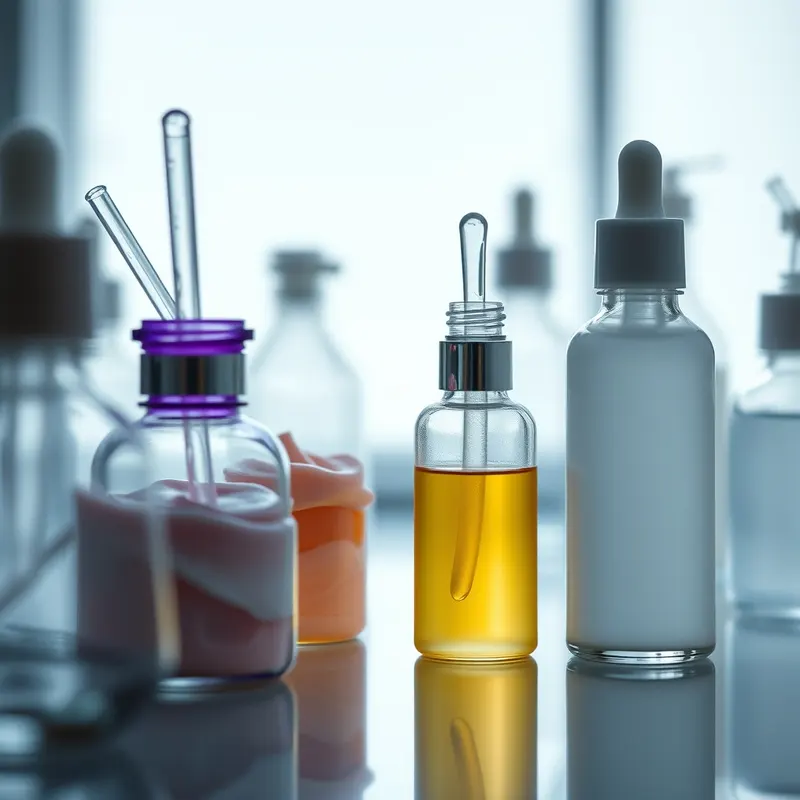
Stage 3: Formula Development and Sampling—Your Most Valuable Investment
Regardless of which model you choose, formula development and sampling make or break product reputation. A responsible skincare manufacturer will first understand your efficacy goals, target skin type, and restricted ingredients before proposing formulas—not just send you samples to pick from.
When samples arrive, evaluate systematically, not by first impression:
- **Texture and skin feel**: Test over several days in different environments (air-conditioned vs. outdoor)
- **Fragrance**: Does it match your brand identity? Is it overpowering?
- **Stability observation**: After storage, does it separate, discolor, or smell off?
- **Packaging compatibility**: Have samples been tested in your actual chosen bottles?
Singapore's humid tropical climate is critical here: a cream that performs beautifully in cool conditions may become greasy or unstable in heat and moisture. Give specific feedback—"absorbs faster, half the fragrance"—rather than vague impressions. Document every formula development round in writing to avoid misunderstandings and enable future traceability.
Stage 4: Packaging and Brand Design—More Than Aesthetics
Packaging affects formula stability, user experience, and shipping losses. Serums typically use dropper or airless pump bottles; creams suit jar or tube formats; sunscreen and body care often use press pumps. Balance three considerations: ingredient sensitivities (light, air exposure), consumer habits, and cost structure.
For brand design, prepare everything at once before briefing your design team: brand name and logo, primary colors, font direction, and required label information. Label content deserves special attention—different markets have different rules for ingredient declarations, warnings, and origin statements. Confirm requirements with your target market's regulatory authority or clearance service before finalizing.
Common mistakes: discovering mid-production that label text doesn't fit; choosing specialty bottle shapes without confirming filling compatibility; approving effects like hot stamping or matte finish without seeing physical samples. Request actual bottle samples from your manufacturer and run formula tests in your chosen containers. This step prevents expensive surprises during mass production.

Stage 5: Regulatory Documentation and Production Setup
After confirming formula and packaging, you enter documentation and production. Different markets require different pre-launch approvals; your skincare manufacturer can typically help prepare technical files, ingredient declarations, and formula documentation for your target market. However, confirm actual regulatory requirements and approval processes with your target market's authority or professional clearance service, using their latest guidelines.
Many Thai cosmetics factories operate under GMP or comparable quality systems. Before partnering, ask your manufacturer about their facility's credentials—relevant certifications will be provided when you place your order.
Regarding minimum order volume: the typical standard is 1,000 units per SKU. Rather than launching many SKUs, concentrate resources on two or three core products—this lowers inventory risk and builds clearer market positioning. Set clear quality acceptance standards in your contract or purchase order: appearance, fill volume, batch coding, packaging integrity. Keep one sample from each batch for future traceability. Production timelines vary by product type, packaging, and order size; confirm exact schedules during your quotation discussion.
Stage 6: Quality Control and Final Verification Before Launch
Quality assurance isn't something that happens only at the factory. Before goods leave, establish clear verification protocols with your manufacturer. A professional OEM skincare partner will conduct in-process inspections and final batch testing, but you should also define what "acceptable" means: precise fill weights, color consistency across batches, label printing quality, seal integrity.
Request certificates of analysis for key batch parameters if needed—especially if you're importing into regulated markets like Singapore. Upon arrival, inspect several units from different cartons rather than just opening one box. This catches packaging or filling inconsistencies that might have passed factory inspection. Store sample units from each production batch in a cool, dry place for at least a year; they become invaluable if customers report issues or if you need to prove batch compliance later.
Documentation trails matter more than you might think. Keep all communications about specifications, any formula modifications, and quality standards—these protect both you and your manufacturer if disputes arise.
Stage 7: Launch Strategy and Market Positioning
Your brand building doesn't end when products arrive. In fact, the launch period is where your upfront brand strategy work pays off. The clarity you established about target audience, pricing position, and product story now shapes every promotional decision.
Singapore's cosmetics market is sophisticated and competitive. If you've done thorough work on formula development and decided on a clear brand positioning, that foundation will be visible to consumers—in how you communicate ingredients, who you target, and how you price. This is where private label skincare operations often struggle: they launch many similar formulas without a compelling narrative. By contrast, a strategy-first approach means every product says something intentional about your brand.
Consider your distribution channels: online-first or retail-focused? This affects everything from packaging robustness (online shipments experience more handling) to how much shelf impact your design needs. Align these decisions with what your manufacturer already discussed during development. Consistency between what you designed together and how you market it strengthens credibility.
Stage 8: Selecting a Thailand OEM Cosmetics Partner—Your Checklist
The landscape of cosmetics factories and OEM services in Thailand is crowded. Use this checklist to compare options:
- **Communication**: Is there a dedicated contact person? Can they clearly explain processes in your preferred language?
- **Category expertise**: Have they worked on products similar to yours (skincare, body care, fragrance)?
- **Formula development capability**: Do they propose solutions based on your positioning, or just hand you a catalog?
- **Packaging resources**: Can they offer diverse bottle options and test compatibility?
- **Market documentation**: Can they prepare technical files for your target market?
- **Transparency**: Are quotes itemized? Are sampling and modification rules explicit?
If you want one partner to oversee formula, packaging, design, quality checks, and export—rather than coordinating multiple suppliers—consider integrated OEM/ODM providers. For instance, 5FINE functions as a partner managing a network of GMP-certified factories in Thailand, South Korea, Japan, and Dubai, handling everything from concept and formula development through packaging design, quality control, and export. This approach suits brands wanting to start your brand without juggling multiple vendors.
Regardless of your choice, begin with small-batch sampling and thorough communication before committing to mass production. The time you invest now in due diligence translates directly into products you're proud to sell.
Need expert support?
Leave your details and our team will get back to you.
FAQ
Frequently asked questions
Should I choose ODM or OEM for my first Thailand cosmetics project?
If you don't yet have your own formula but want to test market response, ODM typically makes more sense—you work from proven formulas with minimal adjustments, reducing formula development cycles. If you already have a formula or specific technical requirements, OEM lets you preserve your product's unique characteristics. Discuss your brand positioning thoroughly with your manufacturer before deciding. Both paths are valid; the right choice depends on your existing assets and timeline.
What's the typical minimum order quantity for Thailand OEM skincare production?
The standard is generally 1,000 units per SKU. Actual requirements vary by product type, packaging, and formulation—confirm specifics during quotation discussions. For your first launch, concentrating on a few core SKUs is smarter than spreading resources thin across many products. This approach controls inventory, enables market feedback integration, and builds clearer brand positioning.
What documents do I need to sell products in Singapore?
Singapore typically requires product registration and labeling compliance. For exact requirements and necessary documentation, verify directly with Singapore's relevant regulatory authority or consult a professional regulatory and clearance service. Your OEM manufacturer can usually provide formula sheets, ingredient listings, and technical data—prepare content specific to each product.
How many times can I request modifications if samples aren't satisfactory?
This depends on your cooperation agreement and prior terms. ODM products usually allow limited adjustments; fully custom projects may involve multiple rounds. Clarify sampling and revision policies with your manufacturer before starting. Document every formula development feedback in writing to prevent misalignment between what you meant and what they understood.
Prepared by the 5Fine team for informational purposes. Some links may lead to referred partners.
Articles
Related articles
Gia Công Mỹ Phẩm Thái Lan Số Lượng Ít: Hướng Dẫn Cho Người Mới Xây Thương Hiệu
Nhiều chủ thương hiệu mới, KOL hay nhà phân phối nhỏ thường e ngại khi nghĩ đến chuyện gia công mỹ phẩm, vì hình dung ra những đơn hàng khổng lồ và ngân sách vượt tầm tay. Thực tế,
OEM Collagen Drink Manufacturer: A Buyer's Guide for Brands in the UAE
Collagen drinks remain one of the fastest-moving categories in beauty and wellness across the GCC, and UAE brand owners, distributors, and clinics are increasingly looking beyond r
Private Label Collagen Supplement Manufacturer: A Buying Guide for Philippine Brands
Collagen is one of the fastest-moving wellness categories in the Philippines, and more founders — from skincare clinics to influencers to distributors — are asking the same questio
How to Choose a Cosmetics Contract Manufacturer: A Guide for Brand Owners in the UAE
Launching a beauty brand in the UAE market is exciting, but the single decision that determines whether your products ever reach shelves is who makes them. A cosmetics contract man
Gia Công Mỹ Phẩm Thái Lan Cho Thương Hiệu Riêng: Cẩm Nang Từ A Đến Z
Thái Lan từ lâu đã là điểm đến quen thuộc của những ai muốn gia công mỹ phẩm cho thương hiệu riêng — nhờ hệ sinh thái nhà máy đa dạng, thế mạnh về thảo dược, halal, và chi phí hợp
Private Label Vitamin C Serum Manufacturer: A Brand Owner Guide
Vitamin C is one of the most requested products in Philippine skincare, and one of the easiest to get wrong. Choosing a private label vitamin C serum manufacturer is less about who can fill a bottle.