
Product guide
How to Choose a Glutathione Supplier for Your Private Label Brand
Glutathione has become one of the most requested actives in the beauty and wellness space, from whitening serums to oral supplements. But finding a glutathione supplier is only hal
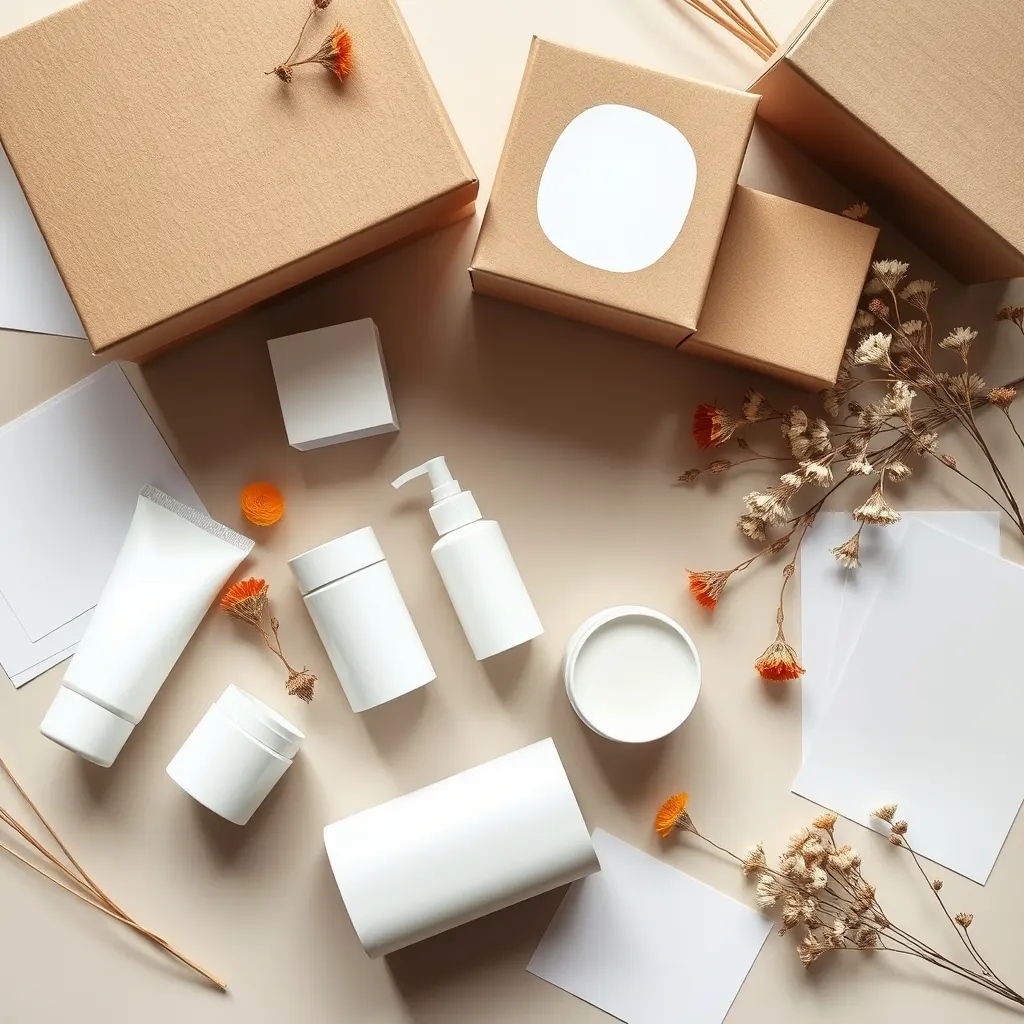
Glutathione has become one of the most requested actives in the beauty and wellness space, from whitening serums to oral supplements. But finding a glutathione supplier is only half the job — the real challenge is finding a partner who can turn a raw ingredient into a market-ready product with the right formula, packaging, and documentation. This guide walks brand owners through what actually matters when evaluating a glutathione supplier, and how an OEM/ODM partner can take that ingredient from concept to shelf.
Why the Right Glutathione Supplier Matters More Than the Ingredient Itself
Glutathione is available in many forms — oral capsules, effervescent tablets, drinks, injectable-adjacent skincare serums, soaps, and IV-support supplements. A supplier that simply ships raw glutathione powder leaves you to solve formulation stability, delivery format, packaging, and compliance on your own. Brand owners who are serious about launching under their own name usually need more than a raw material source; they need a partner who understands product development end to end, from stabilizing the active ingredient to choosing a delivery format that performs well in your target market.
Formula Development: Where Glutathione Products Succeed or Fail
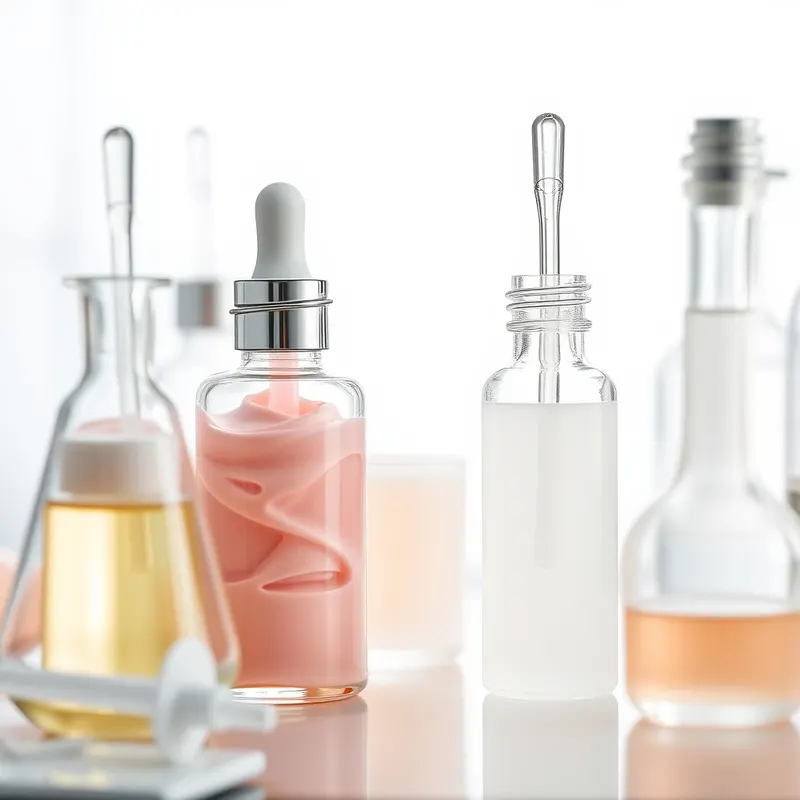
Glutathione is notoriously sensitive to oxidation, which is why formula development is the step that determines whether a product actually delivers results on shelf. A capable manufacturing partner will test stability across packaging types, balance glutathione with complementary actives (vitamin C, collagen, niacinamide), and adjust concentration and delivery format based on whether you're building a skincare line, a drink, or a supplement capsule. This is also where you decide between working from an existing formula for a faster path to market, or co-developing a fully custom formula tailored to your brand positioning.
Private Label Skincare vs. Supplements: Two Different Paths
Glutathione brands typically fall into two categories, and each has different requirements. If you're building private label skincare — soaps, serums, lotions — the priorities are packaging aesthetics, texture, and stability under light and air exposure. If you're developing oral glutathione supplements, the focus shifts to dosage form, encapsulation, and documentation for the market you're selling into. Some brands combine both, offering a skincare-and-supplement duo under one brand story. Either way, working with a partner who can handle both categories under one roof simplifies coordination significantly.
Where Herbal and Natural Positioning Fits In
Many glutathione brands position themselves around natural glow, detox, or wellness narratives, which is where herbal product OEM capabilities become relevant. Pairing glutathione with herbal extracts — turmeric, bamboo shoot, collagen, or traditional Thai botanicals — allows a brand to differentiate beyond a generic whitening claim. A manufacturing partner with herbal and traditional formulation experience can help blend glutathione with natural ingredients that support both the functional claim and the brand story, which matters increasingly to consumers who read ingredient lists before buying.

Packaging and Brand Strategy: Turning an Ingredient Into a Brand
A glutathione product lives or dies on trust, since the category is crowded and often associated with unverifiable claims. This is where brand strategy becomes as important as the formula itself — naming, packaging design, and positioning need to signal credibility, whether you're a KOL launching a personal line or a distributor building a private label portfolio. Premium packaging (amber glass, airless pumps, tamper-evident seals for supplements) also reinforces that the product is not a generic commodity, which matters when customers are comparing multiple glutathione options in the same market.
What to Ask a Potential Glutathione Supplier Before You Commit
Before signing on with any manufacturing partner, ask about their facility certifications (GMP/ISO is a reasonable baseline), whether documentation for your target market is prepared per product, and what the minimum order quantity looks like. At 5FINE, OEM/ODM production runs through a network of GMP-certified partner factories across Thailand, South Korea, Japan, and Dubai, with a standard MOQ of 1,000 units per SKU — pricing and timelines are confirmed at the quotation stage based on the specific product and formulation you choose. Ask too whether the supplier offers full product development support (formulation, packaging, documentation, export) or only manufacturing, since coordinating those pieces separately adds complexity most brand owners don't need to take on themselves.
Need expert support?
Leave your details and our team will get back to you.
FAQ
Frequently asked questions
What's the difference between a glutathione supplier and an OEM/ODM manufacturer?
A raw material supplier sells you the ingredient; an OEM/ODM manufacturer handles formula development, packaging, production, and often documentation, delivering a finished, market-ready product under your brand name.
Can glutathione be combined with other actives in one formula?
Yes — glutathione is commonly paired with vitamin C, collagen, or herbal extracts to improve stability and support the brand's positioning, whether that's skin brightening, antioxidant support, or general wellness.
Is there a minimum order quantity for glutathione OEM products?
Standard OEM/ODM minimum order quantity is 1,000 units per SKU. Exact pricing and production timelines vary by product and are confirmed during the quotation stage.
Do I need certification documents to sell glutathione products internationally?
Requirements vary by destination market. Documentation is typically prepared per product according to the target market, and it's worth checking with the customs or regulatory authority in your country before finalizing your launch plan.
Prepared by the 5Fine team for informational purposes. Some links may lead to referred partners.
Articles
Related articles
Contract Manufacturing Skincare: How It Works for Brand Owners
Contract manufacturing skincare lets a brand owner launch a serum, cream or sunscreen without owning a lab or a production line. Here is how the model works and what you decide.
How to Start Your Own Skincare Brand: A 7-Step Plan for Brand Owners
Learning how to start your own skincare brand is less about finding a factory and more about making seven decisions in the right order. This plan walks brand owners from positioning to first production.
Private Label Supplements Thailand: A Buyer's Guide for Brand Owners in the Philippines
If you're a Filipino entrepreneur, distributor, or clinic owner exploring private label supplements thailand options, you've probably noticed the country sits at the center of a st