
Buying guide
OEM Lip Tint Manufacturer: A Buyer's Guide for PH Brand Owners
Choosing an OEM lip tint manufacturer is one of the smartest first moves a Philippine beauty brand can make: lip tint is affordable to try, visually shareable, and bought again and

Choosing an OEM lip tint manufacturer is one of the smartest first moves a Philippine beauty brand can make: lip tint is affordable to try, visually shareable, and bought again and again. It is also a product where small formulation details, such as how the colour sets in humid weather or how it feels after a merienda, decide whether customers come back. This guide explains what an OEM partner actually does, the decisions you need to make on formula, shades and packaging, the compliance steps for Thailand and the Philippines, and how to brief and evaluate a manufacturer before you commit.
Why lip tint is a strong first SKU for a Philippine brand, and what makes it tricky
Lip tint sits in a sweet spot for a new brand. The unit is small, so freight and storage are light. The price point is accessible, so customers will try an unfamiliar label. The product is visual, which suits TikTok Shop, Shopee Live and creator content. And because tints wear off and get lost in bags, repeat purchase is natural. For brand building, few products give a founder so much feedback so quickly.
The tricky part is that lip tint is unforgiving on details that are invisible in a photo:
- **Climate**: the Philippines is hot and humid. A tint that performs in a Seoul showroom may bleed, feather or dry out lips in Manila. Formulas need to be developed or tested with tropical conditions in mind.
- **Shade expectations**: Filipino consumers span a wide range of skin tones, and best-selling shades differ from Korean or Western ranges. A shade line that looks right on a mood board may miss the morena and kayumanggi customers who drive volume.
- **Longevity versus comfort**: long-wear stains can feel tight; comfortable oil tints can transfer. The balance is a formulation decision, not a marketing one.
- **Ingredients and sensitivity**: lips react quickly to fragrance, flavour and certain dyes; irritation drives one-star reviews.
- **Compliance**: colourants are among the most regulated cosmetic ingredients, and lip products are ingested in tiny amounts, so permitted colour lists matter.
A capable OEM partner solves these in the lab, but only if you bring a clear brief about who your customer is and how she uses the product.
What an OEM lip tint manufacturer actually does: OEM, ODM and full custom
The term OEM is used loosely in the beauty trade, so it helps to be precise about what you are buying. A manufacturing partner usually offers three paths, and the right one depends on your timeline, budget and how different you need the product to be.
- **ODM, existing formula**: the partner has ready-made lip tint bases, for example a water-based tint, an oil tint and a velvet matte, each with proven stability. You select the base, adjust shades, scent and packaging, and brand it. Fastest path, lowest development cost, and the usual choice for a first launch.
- **OEM, your specification**: you supply a formula or a detailed spec, and the partner produces it. Suitable when you already own a formula or are moving production from another facility.
- **Full custom development**: the lab develops a new formula to your brief, such as a tint with a specific finish, a unique active or a texture nobody in your market offers. More rounds, more testing, more cost, and the strongest differentiation.
Beyond formulation, a full-service partner manages shade development, packaging sourcing, filling and assembly, quality control, documentation and export logistics, so you deal with one point of contact instead of coordinating a lab, a filler, a packaging supplier, a designer and a forwarder yourself. 5FINE works this way, managing development and production through partner factories certified to GMP standards in Thailand and Korea, which is useful for a lip tint because Korean R&D leads in texture innovation while Thai production suits tropical formulas and halal-ready requirements. The standard MOQ for contract manufacturing is 1,000 units per SKU; each shade counts as a SKU, which shapes how many shades you launch with.
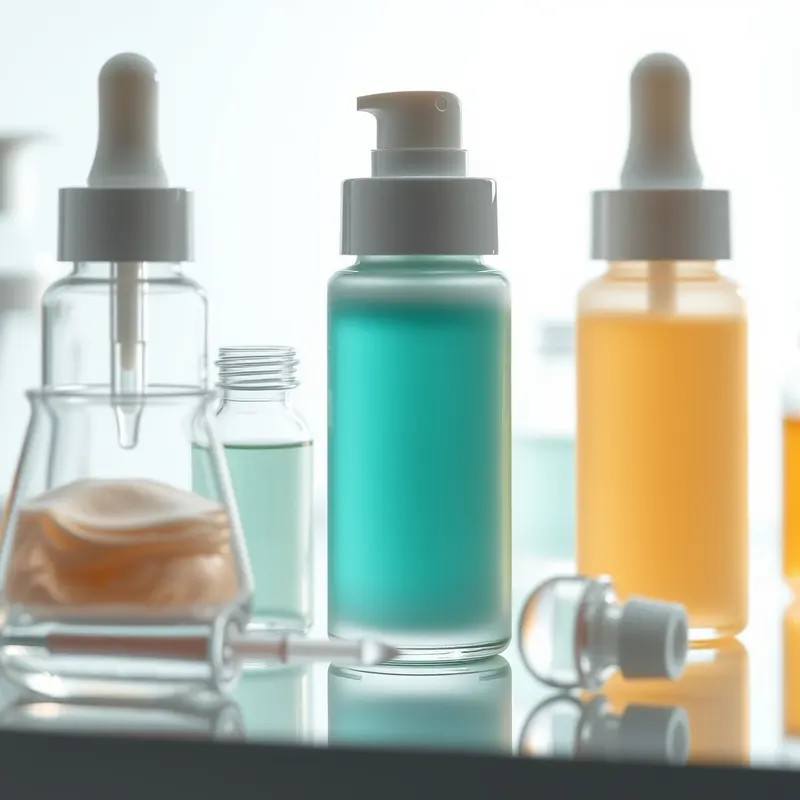
Formulation decisions: tint type, shade range, finish and ingredients
Before any sample is made, settle the formulation brief. These are the decisions a lab will ask about, and the better your answers, the fewer rounds you need.
- **Tint type**: water tints give a fresh, juicy stain and are the classic Korean format; oil tints add comfort and shine; velvet or mousse tints give a soft matte, blurred look that photographs well; stain-style tints maximise longevity. Each has a different feel, transfer behaviour and price.
- **Finish and wear**: glossy, satin or matte; transfer-resistant for mask or coffee cups, or comfort-first; whether the colour should fade evenly or hold at the centre of the lip.
- **Shade range**: plan a compact launch range built around Filipino skin tones, for example a true red, a warm coral, a rosy mauve and a deep berry or brick, and test each shade on several complexions. Shade naming and swatches are part of the brand, but the pigments must be from permitted colourant lists for your markets.
- **Comfort ingredients**: humectants and lip-conditioning oils help long-wear formulas feel better; fragrance and flavour should be minimal or absent for sensitive lips.
- **Claims and positioning**: vegan, no mineral oil, halal-ready formulation for markets that value it, sun protection claims (which bring testing requirements). Decide which claims you actually need before adding ingredients to support them.
- **Climate testing**: ask that samples be evaluated for bleeding, drying and colour shift in heat and humidity, not only on a lab bench.
When you receive samples, test them on real people across your target skin tones for at least a week, in the heat, and give feedback as directions rather than impressions. A good skincare manufacturer with a colour cosmetics line will welcome structured feedback and push back where a request conflicts with stability or regulations.
Packaging and shade development: where the brand becomes visible
Lip tint packaging does a lot of work. It must dispense precisely, protect a pigmented liquid from leaking in a bag and look good enough to be filmed in close-up.
- **Component types**: a slim bottle with a doe-foot applicator is standard for water and oil tints; a tube with a flocked tip suits velvet and mousse textures; a mini format is popular for sets and sampling. Each component has its own minimum order from the packaging supplier, separate from the product MOQ.
- **Material and finish**: clear bottles show the shade, which helps sales, but need UV-stable formulas; frosted or opaque finishes feel premium; caps can be printed, hot-stamped or colour-matched to the shade.
- **Decoration**: screen printing, labels or sleeves. Labels are cheapest and most flexible for a first run; printing looks more established but raises minimums.
- **Compatibility**: pigmented and oil-based formulas can stain or react with some plastics; the partner should test the final formula in the final component before production.
- **Secondary packaging**: a small carton or a sleeve is expected in retail and in gift sets, and carries the mandatory label information.
Shade development runs in parallel. Expect a shade-matching round where the lab produces lab-dips of each colour, then adjustment for undertone and intensity, then confirmation in the final packaging, because a clear bottle shows the shade differently from a lab jar. Shoot swatches on at least three complexions under daylight for your content and your e-commerce listings. Founders who treat packaging as an afterthought discover that the component minimums, not the formula, set their real launch cost; settle packaging early, alongside the formula.

Compliance: Thailand, the Philippines and the testing in between
Lip products are cosmetics in both Thailand and the Philippines, which keeps the path manageable, but colourants and claims bring specific checks. The rules are updated periodically, so confirm current requirements with the authorities or a regulatory consultant in each market.
- **Permitted colourants**: both markets follow the ASEAN Cosmetic Directive, which lists allowed colouring agents and any restrictions for lip use. Your manufacturer should formulate only with listed pigments and provide the ingredient list in INCI format.
- **Thailand**: products manufactured for export are handled through the Thai FDA cosmetic notification system by the manufacturer or the responsible company; documents such as a certificate of free sale can be issued per product for export purposes.
- **Philippines**: imported cosmetics are notified with the FDA Philippines by the Philippine brand owner or importer before sale, and the importer typically needs a licence to operate for cosmetics. The manufacturer supplies the technical documents the notification requires; documents are provided per product when you order, so confirm the list up front.
- **Testing**: stability in the final packaging, microbiological testing, and heavy-metal screening for colour cosmetics are standard; a patch test supports sensitive-lip claims; any SPF claim requires efficacy testing.
- **Labelling**: product name, ingredients, net content, batch and expiry, manufacturer and importer details, and claims that match the evidence, in the format each market requires.
Ask your manufacturing partner which steps they handle, which documents you receive and which filings remain your responsibility as the Philippine brand owner. A partner who maps this out clearly at the quotation stage saves you from discovering a missing document at customs.
How to brief and evaluate a manufacturer before you commit
The final step is choosing the partner. Use the same checklist for every candidate so comparisons are fair.
**Brief them properly**: send a one-page brief with your customer profile, tint type, finish, launch shades with references, claims, packaging preference, target markets and your first-order plan. State that each shade is a SKU and that you understand the standard MOQ of 1,000 units per SKU. Include how you will sell: TikTok Shop, Shopee, Lazada, your own site, or reseller networks.
**Evaluate the answers**:
- Do they explain how their base formulas behave in heat and humidity, or only show catalogue photos?
- Can they show shade development examples and swatches on darker skin tones?
- Which GMP-certified facility will make the product, and who manages quality?
- What testing is included, who performs it and who owns the reports?
- Which Thai and Philippine documents do they provide, and which are your job?
- Do they manage packaging sourcing and compatibility testing, or leave it to you?
- How do they handle sample rounds, feedback and changes?
- Is the quotation itemised by formula, packaging, testing and documentation, with pricing dependent on product and quantity confirmed once the specification is fixed?
**Consider the scope you want**: a brand with in-house product development and a packaging team may prefer a filling factory; a founder or creator launching a first line usually benefits from a single partner managing the whole journey. 5FINE's model, from concept and formulation through packaging, documentation and export, exists for the second case: brand owners who want one responsible point of contact for the full process, including a future move from lip tint into OEM skincare or other categories.
Whichever partner you choose, start with a focused shade range, test samples in Philippine conditions and keep every document. Lip tint rewards brands that get the small things right.
Need expert support?
Leave your details and our team will get back to you.
FAQ
Frequently asked questions
How many shades should a new lip tint brand launch with?
A compact range of three to five shades chosen for Filipino skin tones is usually enough to launch and learn. Each shade is a separate SKU with its own production minimum, so a smaller, well-tested range is less risky than a wide one. Expand once sales data shows which undertones and finishes your customers prefer.
What is the minimum order for OEM lip tint?
The standard MOQ for contract manufacturing is 1,000 units per SKU, and each shade counts as its own SKU. Packaging components have separate minimums from their suppliers, which can be higher. Confirm both before finalising your shade range and budget, and ask whether stock components can reduce the packaging minimum for a first run.
Can a lip tint made in Thailand be sold legally in the Philippines?
Yes, once the Philippine brand owner or importer completes the cosmetic notification with FDA Philippines using the technical documents supplied by the manufacturer, and labelling meets local requirements. The manufacturer provides documents per product when you order; the filing itself is the responsibility of the Philippine company, so check the current requirements with FDA Philippines or a regulatory consultant.
Should I choose an existing formula or develop a custom lip tint?
For a first launch, an existing base formula adjusted for your shades and packaging is faster, lower risk and already stability-tested. Custom development makes sense when you need a texture or feature your market does not have and you can fund the extra rounds and testing. Many brands launch on an existing base and move to a custom formula once they know their customer.
Prepared by the 5Fine team for informational purposes. Some links may lead to referred partners.
Articles
Related articles
How to Start Your Own Skincare Brand: A 7-Step Plan for Brand Owners
Learning how to start your own skincare brand is less about finding a factory and more about making seven decisions in the right order. This plan walks brand owners from positioning to first production.
Private Label Supplements Thailand: A Buyer's Guide for Brand Owners in the Philippines
If you're a Filipino entrepreneur, distributor, or clinic owner exploring private label supplements thailand options, you've probably noticed the country sits at the center of a st
Gia công thực phẩm chức năng Thái Lan: 6 quyết định của chủ thương hiệu
Gia công thực phẩm chức năng Thái Lan là hướng đi nhiều chủ thương hiệu Việt cân nhắc khi muốn có dòng collagen, vitamin hay thực phẩm bổ sung mang tên mình. 6 quyết định cần có trước khi báo giá.