
Buying guide
Private Label Kojic Acid Soap Manufacturer: A Guide for PH Brands
Kojic acid soap is a perennial favorite on Philippine shelves, which makes the category crowded and the details important. If you are looking for a private label kojic acid soap ma
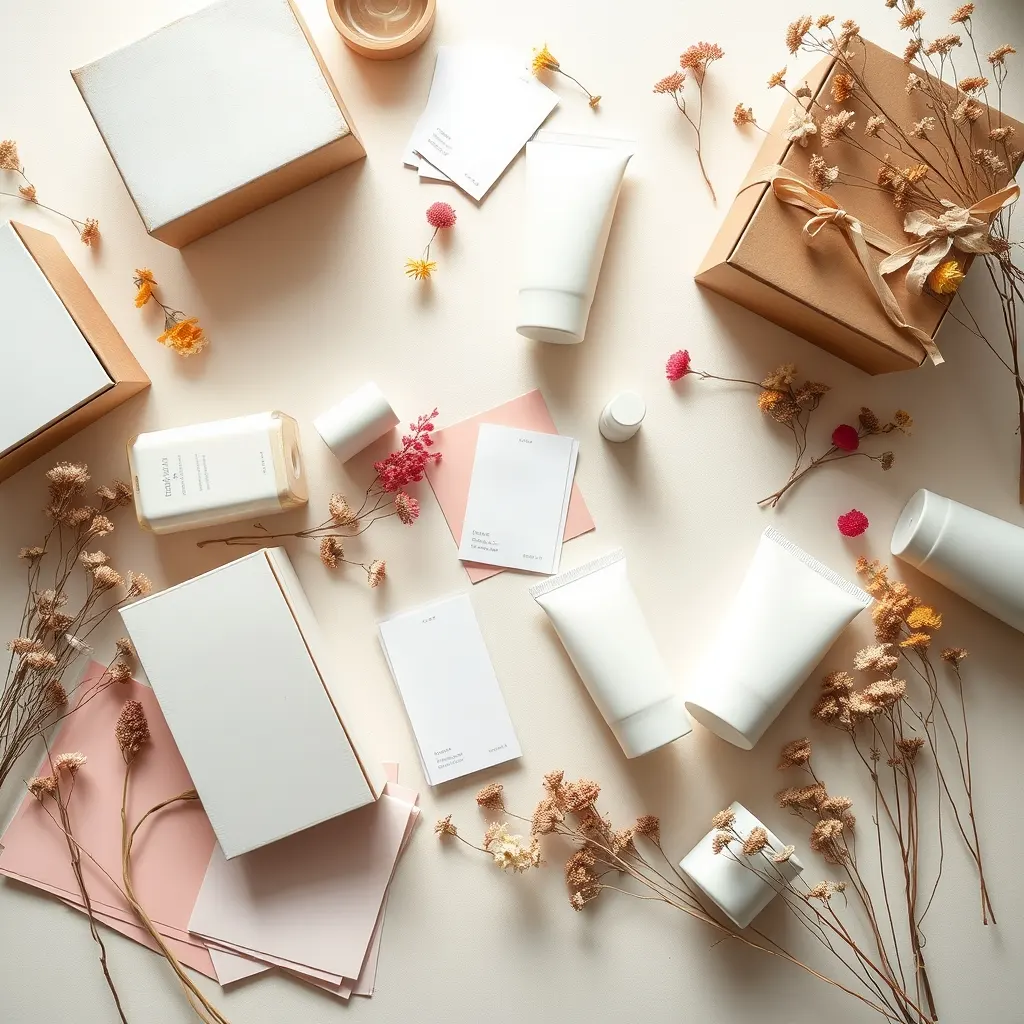
Kojic acid soap is a perennial favorite on Philippine shelves, which makes the category crowded and the details important. If you are looking for a private label kojic acid soap manufacturer, this guide covers formulation choices, claims, packaging and the planning that separates a forgettable bar from a brand people reorder.
What Philippine brand owners decide first in the kojic soap category
Kojic soap has a loyal following in the Philippines, and shoppers arrive with strong expectations about the bar: how it looks, how it smells, how it lathers and how it feels on skin after washing. That familiarity is both an advantage and a challenge. You do not need to educate customers about what the product is, but you must give them a reason to choose your bar over the many already on the shelf. The first decisions are therefore strategic, not technical.
Start by defining who the soap is for. Is it a daily body bar for adults, a gentler option for sensitive skin, a salon or spa product, or a premium gift item? Then decide on positioning: clean and simple, botanical and soothing, or bold and clinical in tone. Think about the sales channel as well. Marketplace sellers care about packaging that survives parcel handling and photographs well, while retail shelves reward strong color blocking and clear text. Pricing tier matters too, because it influences ingredients, packaging finish and the amount of fragrance you can reasonably include.
Write these answers in a one-page brief before contacting any manufacturer. It will make your first conversation far more productive, help the team suggest suitable ready formulas or custom directions, and prevent expensive changes of direction in the middle of development.
Formula development: the soap base, kojic acid and the supporting cast
Kojic acid is a well-known ingredient in this category, but it is also a sensitive one. It can be affected by light, air and the alkalinity of a soap base, which is why formula development matters so much. A good formulator will think about the base type, the way the soap is made, how the active will be introduced, how the formula will stay stable over its shelf life and how the bar will look after months in a warm bathroom.
Things to discuss with your partner include: - the soap base and whether a milder, skin-friendly feel is a priority - color and appearance, since some actives can change a bar over time - supporting ingredients that add a moisturizing or soothing feel - scent direction, from fresh and clean to floral or herbal - bar shape, weight and hardness, which affect both feel and durability
This is a good example of why body care OEM works best as a conversation. Ask the technical team to explain the logic of each choice and what trade-offs it creates, then evaluate samples in real use for several weeks, not a single wash. Note irritation, residue, dryness, lather quality and how the bar holds up in humidity. Also confirm what stability and quality checks are applied before production. Strong formulas are rarely accidents. They are the result of patient iteration and honest feedback between brand owner and formulator.

Claims and compliance: keep the language careful
In skin-lightening and tone-evening categories, wording is as important as formulation. Statements that suggest a product changes the structure or function of skin, or treats a condition, can alter how it is regulated. Sensitivity is higher still for words such as whitening, so it is wise to keep marketing claims modest, consistent with the product's cosmetic nature and aligned with what has actually been substantiated.
Rules on kojic acid and on claims differ between countries and can change. This article is general information, not legal or regulatory advice. For the Philippines, check current requirements with the Philippine FDA and your regulatory advisor, including how products are registered or notified, what the label must carry and how your company and any distributor should be licensed. Do not assume that a formula or claim acceptable in one market is automatically acceptable in another.
On the manufacturing side, ask which documents the partner can prepare for your target market on request, and recognize that documentation is provided according to product and market and not every item will have the same set. Share your intended claims and label text early so the formula and the artwork can be reviewed together. Reworking claims after packaging has been printed is costly and avoidable. A careful, conservative approach protects your brand and your customers, and it makes your distributor and marketplace conversations easier.
Packaging and presentation for a soap bar
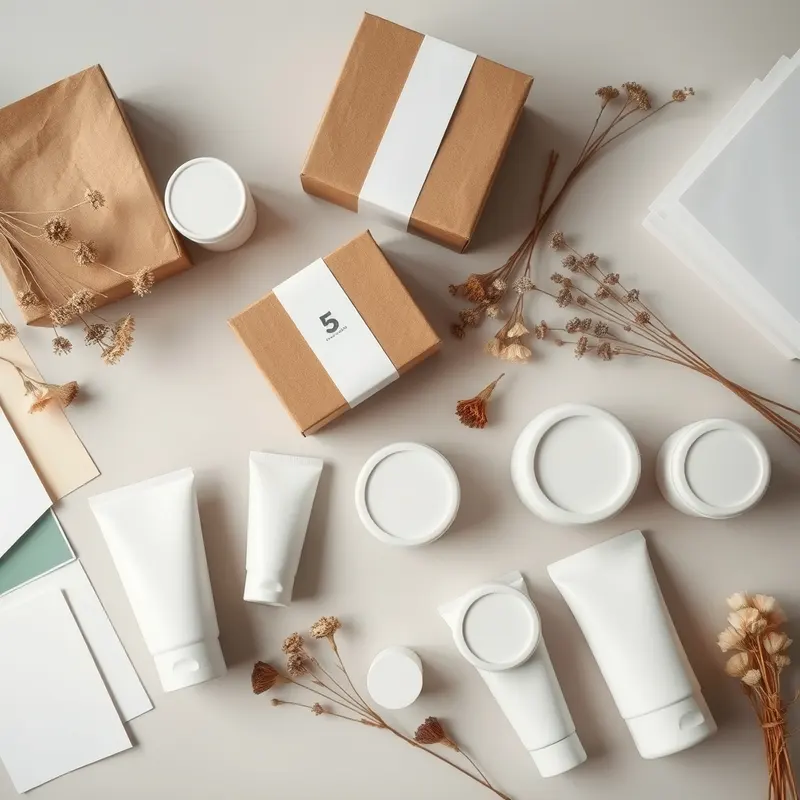
A soap bar looks simple, yet packaging decisions can make the difference between a product that sells itself and one that sits unnoticed. Think about the full journey: how the bar is protected in transit, how it looks on a shelf or in a marketplace photo, and how it feels in the customer's hands. Common choices include wrapping films, printed wrappers, individual cartons and shrink wrap. Moisture is the main enemy of a bar in storage, so ask your partner how the pack protects against humidity and what happens if a corner of the wrapper is damaged.
Printing is where brand personality appears. Color, typography, finishing and a clear but compliant front panel help customers recognize your bar at a glance. If you plan gift sets or multi-packs, discuss carton dimensions and inserts early, since they affect both cost and shipping weight. Consider bar shape and embossing as ways to differentiate without changing the formula. Many Philippine buyers value a bar that looks distinctive in the shower and in a photograph.
Finally, plan for both the visible and invisible parts of the pack, such as batch coding, label placement and barcode readability. Ask for printed samples or mock-ups before approving production. A short review of physical mock-ups often uncovers small issues, such as text too close to the edge or a color that looks different on the actual material, long before they become expensive problems.
Building the brand strategy, range and order plan
A single bar can launch a brand, but a thoughtful plan makes it last. Your brand strategy should explain what the soap stands for, who it speaks to and how future products will extend the story. A natural path is to begin with one hero bar, then add variants by scent or skin feel, and later expand into body wash, lotion or care products that use the same visual language. Product development works best when each new SKU has a clear role rather than being added just because it is possible.
On quantities, the standard minimum for OEM and ODM production with 5FINE is 1,000 units per SKU. Pricing depends on the product, packaging and quantity, and the team advises on it at quotation. When you plan your first run, think about how many variants you can realistically sell and support, and consider launching with fewer SKUs and more marketing focus.
5FINE is an OEM/ODM partner that manages production through GMP-certified partner factories and works as one point of contact from consultation to export. The journey runs through discovery, concept, formula and sampling, design and packaging, documentation, production, quality control and logistics. Before you commit to anyone, compare partners, ask detailed questions, review samples carefully and confirm every requirement for the Philippine market. A prepared brief, patient sampling and conservative claims will take you much further than a rushed launch.
Need expert support?
Leave your details and our team will get back to you.
FAQ
Frequently asked questions
Is kojic acid soap allowed in the Philippines?
Kojic acid products are sold in the Philippines, but rules on ingredients, claims and registration are set by the authorities and can change. Check current requirements with the Philippine FDA and your regulatory advisor before launch, and share your intended label and claims with your manufacturing partner early so the formula and artwork can be aligned.
What is the minimum order for private label soap with 5FINE?
The standard minimum for OEM and ODM production is 1,000 units per SKU. Exact pricing depends on the product, packaging and quantity and is advised at quotation. Starting with one hero bar and a small number of variants is a sensible way to keep your first commitment manageable.
Should I use a ready formula or a custom formula for my soap?
A ready formula is typically the quicker route and lets you focus on brand, scent and packaging, while a custom formula offers more differentiation but needs more development and testing rounds. Your choice depends on budget, timeline and how distinctive the bar needs to be. A consultation can help you weigh both options.
Prepared by the 5Fine team for informational purposes. Some links may lead to referred partners.
Articles
Related articles

ODM Cosmetics Thailand: A Practical Guide for Brand Owners in the UAE
For UAE-based entrepreneurs, distributors, and clinic owners looking to launch a beauty or wellness line, ODM cosmetics Thailand sourcing has become a serious alternative to workin

Contract Manufacturing Cosmetics Thailand: A Buyer's Guide for Brand Owners in the UAE
If you're a brand owner, distributor, or entrepreneur in the UAE exploring contract manufacturing cosmetics thailand options, you've likely noticed Thailand's reputation as a hub f
How to Register Cosmetics with FDA Philippines: A Brand Owner's Practical Guide
If you are preparing to launch a beauty line in the Philippines, one question comes up before packaging, before pricing, before your first retail meeting: how to register cosmetics
Private Label Collagen Supplement Manufacturer: A Buying Guide for Philippine Brands
Collagen is one of the fastest-moving wellness categories in the Philippines, and more founders — from skincare clinics to influencers to distributors — are asking the same questio
OEM Serum Manufacturer Thailand: A Buying Guide for Brand Owners in the Philippines
Filipino beauty entrepreneurs, distributors, and KOLs looking to launch a serum line are increasingly turning to Thailand — home to a dense network of GMP-certified labs, experienc
OEM Supplement Manufacturer Thailand: A Buyer's Guide for Brand Owners in the UAE
If you're a brand owner, distributor, or entrepreneur in the UAE looking to launch a supplement line, Thailand has quietly become one of the most capable manufacturing hubs in Asia