
Guide
Skincare Brand Launch Checklist for Brand Owners in the Philippines
A skincare brand launch checklist in six stages: positioning, first products, packaging, Philippine compliance, production planning and launch assets, written for brand owners.
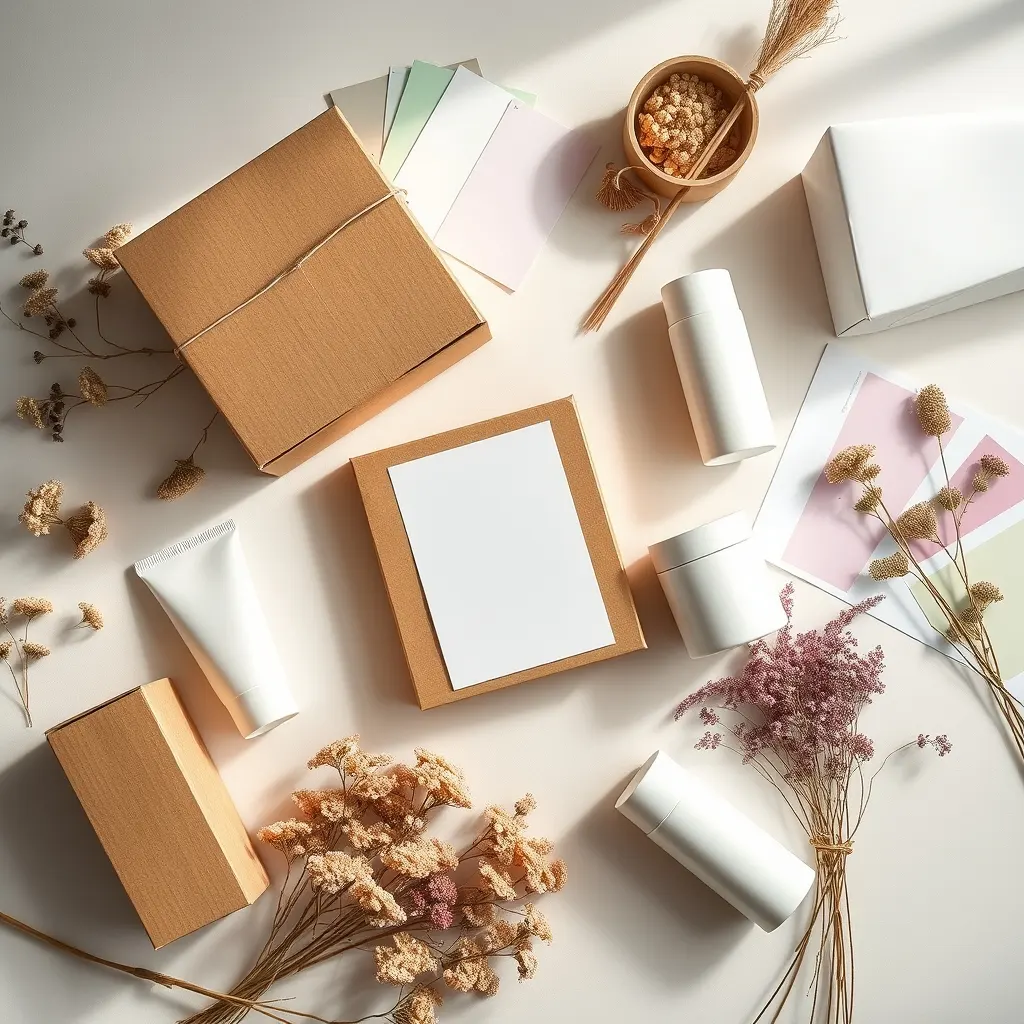
Most skincare brands that stall do not fail on the formula. They fail because a decision that should have been made in month one gets made in the last week before launch, under pressure, with the wrong information. This skincare brand launch checklist puts those decisions in the order a product-development team would make them, from positioning to the first production run, with the Philippine market in mind. Use it as a working document: tick what is done, and treat every blank line as a conversation you still need to have with your manufacturing partner.
Stage 1: Fix the positioning before anyone touches a formula
Every later decision, from texture to carton finish, flows from three sentences you should be able to say without notes: who the product is for, what problem it solves for them, and why they would choose you over what is already on the shelf at the mall or on Shopee. Brand owners in the Philippines often skip this because the product idea feels obvious, for example a brightening serum or a gentle cleanser. The trouble is that an obvious idea has obvious competitors, and only positioning separates you from them.
A practical way to lock this stage:
- Write a one-page brand brief: audience, skin concern, price tier (mass, masstige or premium), tone of voice, and the three words a customer should use to describe the brand.
- Decide the channel first: TikTok Shop and Shopee reward strong visuals and low-friction trial sizes; dermatology clinics and salons reward clinical cues and professional packaging; pasalubong and regional distribution reward shelf-stable formats and clear claims.
- Choose a claims territory you can support. Hydration, barrier care, gentle cleansing and sun care are easier to substantiate than dramatic transformation promises, and they are safer to advertise.
**Checklist items:** brand brief approved; target customer persona written; primary channel chosen; price tier set; claims territory agreed with your formulation partner. Until these are ticked, requesting samples is premature, because the lab cannot aim at a target you have not defined.
Stage 2: Pick the first products and the formulation path
A first launch works best with a tight line, usually two to four SKUs that tell one story. A typical structure for the Philippine market is a hero product, a supporting product that makes the hero work better, and one entry-price item that lowers the barrier to trial. For example: a serum as hero, a cleanser as support, and a sunscreen as the daily-use item. Sun care deserves a specific note: a sunscreen OEM project involves SPF testing and a stricter claims process than a moisturiser, so budget more development time for it rather than treating it as an afterthought.
Then choose how each product gets made:
- **ODM (ready formula):** the manufacturer offers a tested base you brand as your own. Fastest route, lowest development cost, but less differentiation.
- **OEM (your specification):** you provide the brief or formula and the factory produces to it. More control, more responsibility for testing.
- **Full custom development:** a new formula built around your concept. The most distinctive result, the longest path.
Mixing paths is normal. Many brand owners launch a hero product on a custom formula and fill the rest of the line with ODM bases to keep the budget sane. If you later extend into lotions or scrubs, a body care OEM line can reuse the same scent and brand codes without a new development cycle.
**Checklist items:** SKU list limited to the launch story; formulation path chosen per SKU; sample brief written for each; evaluation criteria for samples agreed (texture, absorption, scent, stability in warm humid conditions, which matters a great deal in the Philippines).

Stage 3: Packaging decisions that protect the formula and the margin
Packaging is where first-time brand owners either overspend or under-protect. Both mistakes are expensive. The rule is simple: the container must suit the formula first, the brand second, and the budget third, in that order.
Start with compatibility. A vitamin C serum or a formula with active ingredients that oxidise usually calls for an opaque or amber container and, ideally, an airless pump that keeps air out of the product with every dose. A thick cream can live in a jar, but jars invite fingers and contamination, so a tube or pump suits products aimed at acne-prone or sensitive skin. Lightweight gels and toners sit comfortably in PET bottles with a disc cap or sprayer.
Then think about the journey the product takes in the Philippines: heat during delivery, humidity in storage, and rough handling by couriers. Ask your packaging supplier for drop tests, leak tests and compatibility tests with the actual bulk, not a similar one.
Practical checklist for this stage:
- Primary pack chosen per SKU, with a sample filled with the real formula and stored for several weeks to observe leaks, colour change or pump failure.
- Decoration method decided (silk-screen, label, hot stamp) and proofed in physical form, not only on screen.
- Secondary carton designed with the mandatory label fields reserved, so your designer is not squeezing legal text in at the last minute.
- Shipping carton and inner dividers specified so e-commerce parcels survive transit.
If you want a scent across the line, develop one signature scent early and test it inside the formulas; a fragrance that smells right in a vial can behave differently in an emulsion.
Stage 4: Documentation and compliance for the Philippine market
This is the stage that quietly decides whether you can actually sell. Cosmetics sold in the Philippines fall under the Food and Drug Administration of the Philippines, and most online marketplaces now ask sellers for proof of registration before listing beauty products. Rather than memorising rules that change, build a document map with your manufacturing partner and your local regulatory adviser, and verify every requirement with the Philippine FDA or a licensed consultant before you print packaging.
The documents you will normally be asked for include:
- Product formulation disclosure and ingredient listing in the accepted naming convention.
- Manufacturer information and evidence that production takes place in a facility operating under recognised good manufacturing practice.
- Safety, stability and, where relevant, efficacy test reports (for sun care, SPF test results).
- Artwork files showing the label with product name, ingredients, net content, batch and expiry information, and the responsible company details.
- Certificates and supporting documents that are provided per item when you place an order, depending on the product.
Two habits save weeks later. First, decide early who the responsible company on the label will be, because that entity usually handles the local filing. Second, get artwork reviewed for claims before it is finalised; a single word such as a medical-sounding benefit can move a product into a different regulatory category. Treat all of the above as reference points and confirm the current procedure with the authority or your clearance partner.
Stage 5: Production planning, MOQ and quality control
Once samples are approved and documents are in motion, production planning becomes a numbers exercise. The standard minimum order for OEM and ODM skincare is 1,000 units per SKU. That figure shapes your launch line more than any marketing idea: four SKUs means four thousand units to fund, store and sell. Many brand owners decide at this point to launch with two SKUs and add the third once the first two have proven demand, which is a sound decision rather than a compromise.
Build the production plan around these points:
- **Component lead times:** custom containers, pumps and printed cartons often take longer than the bulk itself. Order components as soon as artwork is approved.
- **Bulk approval:** sign off a pre-production sample from the actual batch before filling begins, comparing it with the approved lab sample under the same light and temperature.
- **Quality control:** agree what is checked and how, such as fill weight, cap torque, label placement, seal integrity, and microbiological testing on the batch. Ask for a certificate of analysis per batch.
- **Shelf-life statement:** the expiry printed on the pack should match the stability data, not a guess.
- **Logistics:** confirm Incoterms, packing lists and the export documents your freight forwarder and the Philippine side will need. Timelines for all of this are confirmed when your partner quotes, since they depend on the product and the components.
A partner that manages production end to end, such as 5FINE (5fineglobal.com), coordinates formulation, packaging, documentation and shipping through GMP partner factories, which reduces the number of suppliers you personally chase. Whatever structure you choose, keep a single production tracker with owner, status and date for every line item.
Stage 6: Launch assets and the first weeks of selling
The launch itself should be the least stressful part if the earlier stages are complete. What remains is content, channel setup and a plan for the feedback that will arrive within days of the first deliveries.
Assets to prepare before stock lands:
- Product photography on white and in lifestyle settings, plus short vertical video showing texture and application, which performs well on TikTok Shop and Reels.
- A claims-checked copy bank: product descriptions, FAQs, ingredient explanations and a short brand story written in the voice from your Stage 1 brief.
- Marketplace listings prepared with the registration details sellers are asked to show, so listings are not held in review on launch day.
- A seeding plan: a small number of creators or skincare-savvy customers who receive product early, with a simple brief and no scripted claims.
- Customer service answers for the predictable questions: skin type suitability, patch testing, usage order, storage in heat.
In the first weeks, collect three things systematically: reviews mentioning texture or scent, questions you did not anticipate, and any complaint about packaging in transit. Feed all of it back to your manufacturing partner. A second production run that fixes a pump issue or adjusts a fragrance level is normal, and brands that treat the first batch as a learning batch tend to build steadier repeat purchase than those that chase viral spikes.
Finally, keep the checklist alive. Each new SKU runs through the same six stages, usually faster, because the brand brief, the packaging system and the document map already exist.
Need expert support?
Leave your details and our team will get back to you.
FAQ
Frequently asked questions
How many products should a first skincare launch include?
Two to four SKUs that tell one clear story is the usual recommendation. With a standard minimum order of 1,000 units per SKU, a tighter line keeps the budget manageable and lets you learn from real customer feedback before extending. Many brand owners start with a hero product and one supporting product, then add the third once demand is proven.
Do I need a company in the Philippines to register my skincare products?
Local filing is normally handled by a responsible company in the Philippines, which may be your own entity or a licensed distributor. Requirements and procedures are set by the Philippine FDA and change over time, so confirm the current process with the authority or a regulatory consultant before you finalise artwork and labels.
Can I launch with a ready-made formula and still look like a real brand?
Yes. ODM formulas are tested bases that many established brands use, especially for supporting products such as cleansers or toners. Differentiation then comes from positioning, packaging, fragrance and content rather than from a unique formula. A common approach is a custom hero product with ODM support products around it.
What should I check on the first production sample before approving it?
Compare the pre-production sample to the approved lab sample under the same light and temperature for colour, texture, scent and viscosity. Check that it fills, pumps and seals correctly in the final container, and ask for the batch certificate of analysis and stability reference. Only approve filling once all of these match.
Prepared by the 5Fine team for informational purposes. Some links may lead to referred partners.
Articles
Related articles

How Much Does It Cost to Start a Skincare Brand? A Practical Guide for Philippine Entrepreneurs
If you've been searching "how much does it cost to start a skincare brand," chances are you already have a product idea, maybe even a name, and you're trying to figure out whether
Private Label Skincare in Saudi Arabia: A Buyer's Guide for Brand Owners
Saudi Arabia has become one of the most watched beauty markets in the Gulf. Local brand owners, clinic groups, retail chains and content creators are no longer content to resell im
Private Label Vitamin C Serum Manufacturer: A Brand Owner Guide
Vitamin C is one of the most requested products in Philippine skincare, and one of the easiest to get wrong. Choosing a private label vitamin C serum manufacturer is less about who can fill a bottle.
How to Choose a Cosmetics Contract Manufacturer: A Guide for Brand Owners in the UAE
Launching a beauty brand in the UAE market is exciting, but the single decision that determines whether your products ever reach shelves is who makes them. A cosmetics contract man
OEM Serum Manufacturer Thailand: A Buying Guide for Brand Owners in the Philippines
Filipino beauty entrepreneurs, distributors, and KOLs looking to launch a serum line are increasingly turning to Thailand — home to a dense network of GMP-certified labs, experienc
How Long Does It Take to Develop a Skincare Product? A Realistic Timeline for Brand Owners
If you're planning to start your brand in skincare, one of the first questions that comes up is simple but hard to answer: how long does it take to develop a skincare product? The