
Guide
Cosmetic Stability Testing Explained: What Brand Owners Need to Know Before Launch
If you're building a beauty brand, you've probably heard the term "stability testing" tossed around by your formulator or manufacturer — but few brand owners actually understand wh
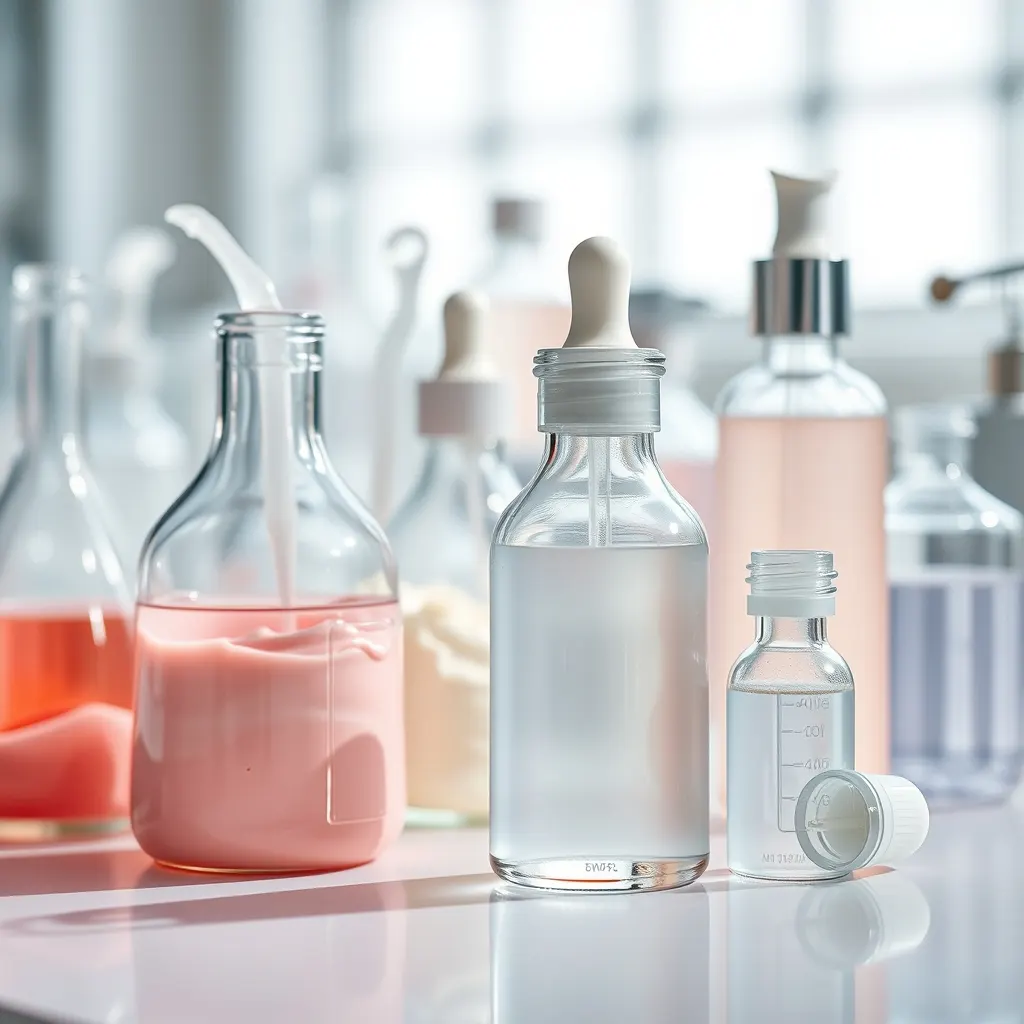
If you're building a beauty brand, you've probably heard the term "stability testing" tossed around by your formulator or manufacturer — but few brand owners actually understand what it covers, why it matters, or how it affects their timeline and packaging decisions. Cosmetic stability testing explained simply: it's the process of verifying that a formula stays safe, effective, and visually consistent throughout its shelf life, under the real-world conditions it will face in shipping, storage, and daily use. Skipping or rushing this step is one of the most common — and costly — mistakes new brands make. This guide breaks down what stability testing actually involves, what it protects you from, and what to ask your manufacturing partner before production starts.
What Is Cosmetic Stability Testing?
Stability testing is a set of controlled evaluations that check whether a cosmetic formula remains stable — in texture, color, scent, viscosity, pH, and performance — over time and under varying environmental conditions. It typically involves storing samples at different temperatures (such as room temperature, elevated heat, refrigeration, and freeze-thaw cycles) and observing changes at set intervals, often over several weeks or months. The goal is to catch problems before they reach the consumer: separation in an emulsion, discoloration in a serum, a weakened preservative system, or a fragrance that turns after sitting in a hot warehouse. For brand owners, this isn't just a technical formality — it directly affects shelf life claims, packaging compatibility, and how confidently you can sell into international markets.
Why It Matters More Than Most Brands Realize
A formula that looks and performs perfectly in the lab can behave very differently after a month in a shipping container or on a store shelf under fluctuating humidity. Stability issues often show up only after launch — as customer complaints, returns, or a product that simply doesn't match what was approved in the sample stage. This is especially relevant for brands exporting across regions, where products pass through varied climates before reaching the shelf. Testing early helps identify whether a formula, its preservative system, and its packaging can realistically hold up over the product's intended shelf life — before you've committed to a full production run.
Key Types of Stability Tests You Should Know
Formulators generally run a few core types of testing, depending on the product category and target market:
- Accelerated stability testing: samples are stored at elevated temperatures to simulate months of aging in a shorter time frame, giving an early indication of long-term behavior.
- Real-time (long-term) stability testing: samples are monitored under normal storage conditions over the full intended shelf life for the most accurate results.
- Freeze-thaw cycling: useful for emulsions and water-based formulas that may travel through cold climates or storage.
- Compatibility testing with packaging: checking that the formula doesn't react with, degrade, or leach from the container material — critical when working with droppers, pumps, jars, or tubes.
- Microbial challenge testing: separate from but related to stability, this confirms the preservative system can control microbial growth over time.
Each product type — a vitamin C serum, a body lotion, a fragrance oil — carries its own risk profile, so the testing approach should be tailored rather than generic.
How Stability Testing Connects to Packaging and Formula Decisions
Stability results often influence decisions that brand owners assume are purely aesthetic — like choosing glass over plastic, opaque bottles over clear ones, or airless systems over open-jar formats. A formula sensitive to light or oxygen may need different packaging than one that's chemically stable but texturally delicate. This is why stability testing should ideally happen alongside formula and packaging development, not as an afterthought once everything is finalized. Making packaging or formula adjustments after stability issues surface late in the process can mean delays and rework — something a well-coordinated OEM/ODM process is designed to help brand owners avoid.
What to Ask Your Manufacturing Partner
Before committing to production, it's worth asking a few direct questions: What stability protocol was used for this formula — accelerated, real-time, or both? Was the specific packaging tested together with the formula, or only the formula on its own? What shelf life is the stability data actually supporting, and is documentation available if your market's import authority requests it? A manufacturing partner that treats stability testing as a standard part of product development — rather than an optional add-on — is generally a sign of a more mature, quality-driven process. As always, specific regulatory requirements vary by destination market, so it's worth checking with the relevant customs or import authority in your target country for what documentation may be expected.
Where This Fits in the Private Label Journey
For brand owners going the private label or OEM/ODM route, stability testing is typically handled as part of the formulation and development stage, before a formula is locked and moved into full production. This is one reason working with a single accountable partner across formulation, packaging, and manufacturing can simplify things considerably compared to coordinating a lab, a bottle supplier, and a factory separately. At 5FINE, product development runs through partner factories certified to GMP standards across Thailand, Korea, Japan, and Dubai, with documentation for certifications and testing prepared per product as part of the OEM/ODM process — so stability isn't something you have to chase down after the fact.
Need expert support?
Leave your details and our team will get back to you.
FAQ
Frequently asked questions
How long does cosmetic stability testing usually take?
It depends on the product type and the testing protocol used. Accelerated testing can give early indications within weeks, while real-time testing monitors a product over its full intended shelf life. Your formulator or manufacturing partner will confirm the specific timeline for your product once development begins.
Is stability testing required by law?
Requirements vary by country and product category. Many markets expect brands to be able to support shelf life and safety claims with some form of testing data, but it's best to check with the customs or regulatory authority in your target market for what's specifically required.
Can stability testing be skipped for a small or indie brand?
It's technically possible to skip it, but doing so increases the risk of product issues surfacing after launch — such as separation, discoloration, or preservative failure — which can be far more costly to fix than testing upfront, especially once a product is already in distribution.
Does stability testing cover packaging as well as the formula?
A thorough stability process includes testing the formula within its actual packaging, since some formulas can react with certain materials over time. Testing the formula alone without the final packaging gives an incomplete picture.
Prepared by the 5Fine team for informational purposes. Some links may lead to referred partners.
Articles
Related articles

Private Label Oud Perfume Manufacturer: A Buyer's Guide for UAE Brand Owners
Oud is not a trend in the Gulf — it is a language. Buyers in the UAE can tell the difference between a thin, synthetic accord and a composition with real depth, and they will judge
How to Choose a Cosmetics Contract Manufacturer: A Guide for Brand Owners in the UAE
Launching a beauty brand in the UAE market is exciting, but the single decision that determines whether your products ever reach shelves is who makes them. A cosmetics contract man
Private Label Skincare in Saudi Arabia: A Buyer's Guide for Brand Owners
Saudi Arabia has become one of the most watched beauty markets in the Gulf. Local brand owners, clinic groups, retail chains and content creators are no longer content to resell im

Private Label Glutathione Supplement Manufacturer: A Buyer's Guide for Philippine Brand Owners
Glutathione remains one of the most commercially resilient categories in the Philippine beauty and wellness market — sold in pharmacies, derma clinics, salons, live selling channel
Private Label Skincare Thailand: A Practical Guide for Philippine Brand Owners
If you are building a skincare line in the Philippines, sooner or later the question becomes practical: who actually makes the product? For many Filipino brand owners, KOLs launchi

How Much Does It Cost to Start a Skincare Brand? A Practical Guide for Philippine Entrepreneurs
If you've been searching "how much does it cost to start a skincare brand," chances are you already have a product idea, maybe even a name, and you're trying to figure out whether