
Guide
How to Start Your Own Cosmetic Brand: A Complete A-Z Guide for Beginners
More shop owners, KOLs, and distributors want to build their own cosmetic line with their brand name instead of just reselling existing products. But starting your brand requires c
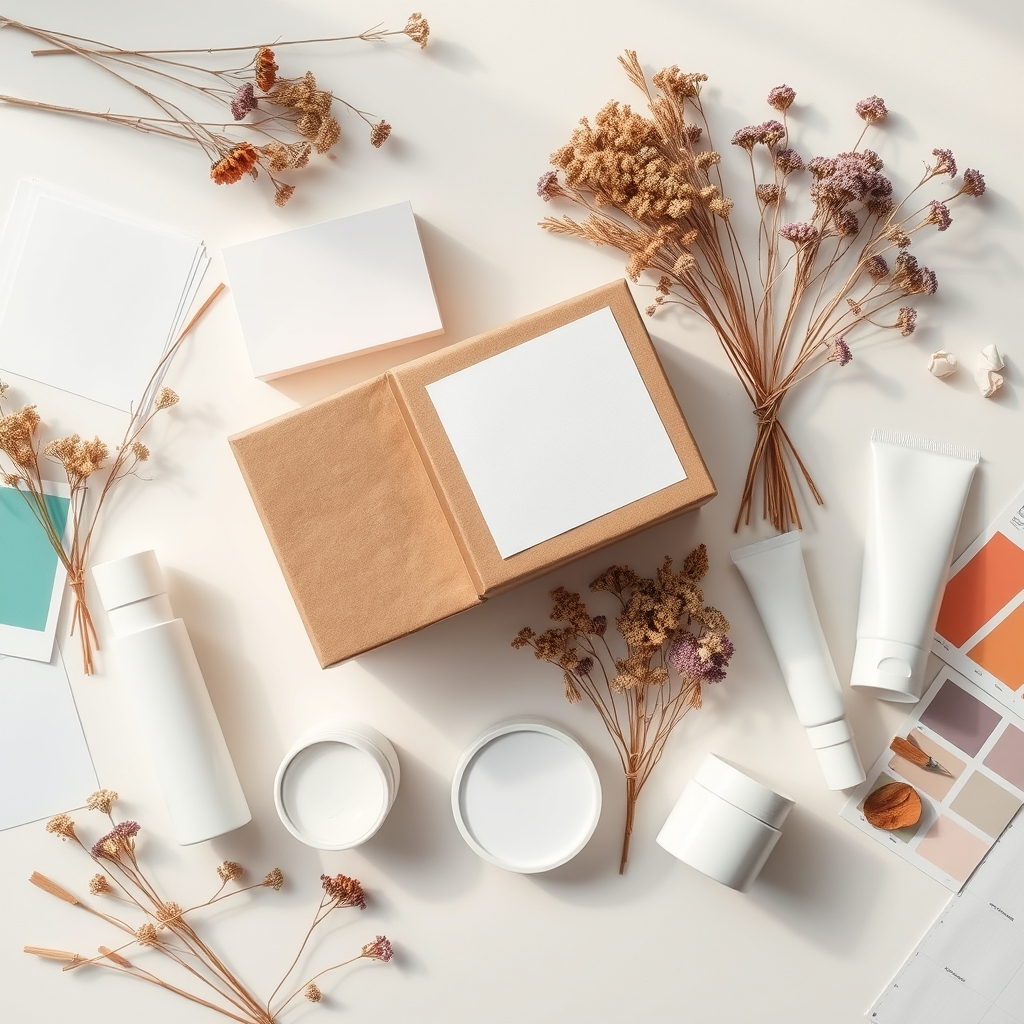
More and more shop owners, KOLs, and distributors want to own a cosmetic line under their own brand name instead of just reselling ready-made products. Yet the question "what do I need to start my own cosmetic brand" often leaves newcomers confused: should you begin with formula development or packaging design first? Should you find a factory independently or hire a consulting firm? What legal documents need to be prepared? This guide walks you through each practical step, helping you envision the complete journey from idea to a finished product on shelves.
1. Define Your Positioning and Product Category Before You Begin
Before thinking about manufacturing partners or packaging, you need to answer: who does your brand serve, what problem does it solve, and what market segment does it occupy? Your cosmetic line could span skincare, hair care, makeup, or niche categories like nutritional supplements (collagen, vitamins, weight management products), fragrances and body mists, men's care, or mother-and-baby care lines. Clarifying your product category early on helps you avoid spreading your budget too thin and makes collaboration with a skincare manufacturer easier, since each product group typically requires different factories and specialized processes.
2. Choose Your Direction: Ready-Made Formulas, Custom Requirements, or New Formula Development
This step determines both your speed-to-market and costs. There are three common paths: selecting a ready-made formula from your manufacturer to shorten launch time; providing your own formula or specifications for the factory to follow precisely; or working with an R&D team to develop an entirely new formula that aligns with your unique brand positioning. Formula development is the most time-intensive step but creates real differentiation for your brand—especially if you want an exclusive formula rather than a mass-market product. For those pursuing OEM skincare manufacturing, understanding these options is crucial to your brand strategy.

3. Package Design and Brand Building – What Customers See First
A good product still needs packaging and a brand story compelling enough to stand out on shelves or e-commerce platforms. This phase includes naming, visual identity design, and selecting packaging materials (bottles, jars, tubes, boxes) that match your price positioning and category—for instance, a fragrance line typically requires more luxurious, refined packaging than a daily care line. Brand building extends beyond a logo; it's about storytelling, pricing strategy, and market positioning within your target audience. Many newcomers underestimate this step, but it directly impacts your product's competitive strength.
4. Documentation, Testing, and Production Standards
Depending on your target market (domestic or export), requirements for product claims, testing, and certifications vary. Your product should be manufactured at a GMP/ISO-certified facility, and relevant documentation and certifications are typically prepared for each specific product batch during ordering—not all products come pre-certified. If you plan to export internationally, proactively check regulations with customs authorities in your target market to prepare compliant documentation and avoid complications during the export process.

5. Manufacturing, Quality Control, and Export
Once your formula and packaging are finalized, your product enters actual production, passing through quality control before packaging and shipment. For brands targeting international markets, working with a partner who has a multi-country factory network offers advantages, since each region has unique strengths—for example, R&D formula expertise in South Korea, Japanese quality standards, herbal ingredients and halal-ready products in Thailand, or luxury fragrances and premium lines in Dubai. Instead of independently contacting each step (formula, factory, design, logistics), many brand owners choose a single point of contact responsible throughout the entire process to reduce risk and management effort.
6. Why Many Brand Owners Choose OEM/ODM Manufacturing Instead of Building Their Own Factory
Investing in your own factory demands massive capital and long-term operational commitment, whereas private label skincare through OEM/ODM models lets you focus on your brand, marketing, and sales channels while formula, manufacturing, and documentation are handled by specialized partners. This model works well for KOLs launching personal product lines, startups building private label skincare ranges, or distributors expanding their portfolio from skincare, fragrances, nutritional supplements, to herbal products, men's care, and mother-and-baby lines. When pursuing product development and brand building from concept to shelf, an OEM/ODM model like 5FINE (5fineglobal.com) is worth considering, since the entire process—from consulting and formula development, packaging design, to manufacturing and export support—is managed by a single partner. This integrated approach to start your brand efficiently makes OEM skincare manufacturing an attractive path for many entrepreneurs.
Need expert support?
Leave your details and our team will get back to you.
FAQ
Frequently asked questions
How much minimum capital do I need to start my own cosmetic brand?
Costs depend on product type, formula choice (ready-made or newly developed), packaging materials, and order quantity. There's no fixed figure that applies universally, so the best approach is to discuss your specific needs with a consulting team to receive a quote tailored to your requirements.
Can I start with just one product—for example, only collagen or only fragrance?
Absolutely. Many new brands choose to launch a flagship product first to test the market before expanding their range, rather than investing broadly across multiple items from the start.
Do I need to handle all legal procedures myself when exporting?
It depends on your target market and local regulations. You should proactively check with customs authorities or relevant agencies in your import destination and work with your manufacturing partner to prepare appropriate documentation for each product type.
What's the difference between OEM and ODM for private label skincare?
OEM means you provide your own formula or specifications for the factory to produce according to your exact requirements; ODM means you select a ready-made formula from the manufacturer to reduce time-to-market. You can also pursue entirely new formula development if you want to create deeper differentiation for your product.
Prepared by the 5Fine team for informational purposes. Some links may lead to referred partners.
Articles
Related articles
OEM vs ODM Cosmetics: What's the Real Difference (And Which Fits Your Brand)?
If you're planning to launch a beauty line, you've probably run into these two acronyms everywhere: OEM and ODM. They get used almost interchangeably in supplier emails and sourcin
Beauty Product Manufacturer Thailand: A Guide for PH Brand Owners
Choosing a beauty product manufacturer in Thailand is one of the biggest decisions a Philippine brand owner will make, because the partner you pick shapes your formula, your packag
ขั้นตอนสร้างแบรนด์เครื่องสำอาง: คู่มือฉบับสมบูรณ์สำหรับเจ้าของแบรนด์มือใหม่
หลายคนฝันอยากมีแบรนด์เครื่องสำอางเป็นของตัวเอง แต่พอเริ่มลงมือจริงกลับไม่รู้ว่าต้องเริ่มจากตรงไหน ต้องติดต่อใคร ต้องเตรียมเอกสารอะไรบ้าง และจะเลือกโรงงานผลิตอย่างไรให้ได้คุณภาพที่ว