
Guide
How to Start Your Own Skincare Brand in Thailand: 6 Steps
Learn how to start your own skincare brand in Thailand without your own lab, factory, or large team. A complete guide for Filipino entrepreneurs, KOLs, and distributors looking to
How can you start your own skincare brand in Thailand without a lab, factory, or large team? This is the question many Filipino entrepreneurs, KOLs, and distributors ask when they want to transition from reselling to building their own brand. In this guide, we break down the process into six clear decisions so you know where to begin and what to prepare before speaking with a manufacturer.
Why Thailand is the First Choice for Many Filipino Brand Owners
Before we dive into the steps, it's important to understand why Thailand is often the first option for Filipinos looking to start your brand in the skincare industry. Thailand is known for beauty and herbal manufacturing across the region, and many factories there are experienced in creating formulas suited to hot and humid climates—similar to the Philippines.
Second, Thailand excels in natural ingredients and traditional herbal knowledge. If your concept is natural, gentle, or herbal-inspired skincare, finding a formula base that matches this positioning is easier here.
Third, Thailand is close to the Philippines and part of ASEAN, so logistics discussions are simpler compared to more distant countries. However, remember: import requirements depend on the product, so always verify with FDA Philippines and your customs broker before committing.
What matters most is not just the country, but finding the right partner. A quality skincare manufacturer or OEM skincare partner will guide you from formula to packaging, rather than you managing a lab, designer, and forwarder separately.
Step 1–2: Clarify Your Concept and Customer
The most common mistake first-time brand owners make is starting with the product instead of the customer. Before you choose a serum or sunscreen, answer these questions first:
- **Who will buy?** Age, skin concern, budget, and where they shop (Shopee, TikTok Shop, Facebook, physical store).
- **What problem are you solving?** For example: oily skin in humid weather, dark spots, or sensitive skin.
- **What makes you different?** It could be ingredients, texture, packaging, price, or your brand story.
Once this is clear, choose your hero product. It's smarter to start with one to three SKUs rather than ten products at once. Your hero product will be the face of your brand, so invest the most effort here in formula, packaging, and content.
Write everything down in a simple product brief: target customer, skin concern, desired texture, scent preference, claims you want to make, and target price range. Serious private label skincare partners look for this brief first, and it's also the foundation for an accurate quotation.
Step 3: Choose Between ODM, OEM, and Full Custom
There are three common routes when you decide to start your brand in Thailand, and each has trade-offs:
- **ODM (ready formula):** You select from existing formulas the factory already has, then add your own branding. This is the fastest way to start and requires less development work.
- **OEM (based on your spec):** You provide the formula or detailed specification, and the factory manufactures according to it. This suits those with a clear idea or an existing formula.
- **Full custom:** You develop a new formula together. More sample rounds and longer discussions, but a more unique result.
For most first-time brand owners, ODM or light customization of an existing formula is a practical start. You can test the market, gather feedback, and upgrade to a custom formula in the next batch.
When discussing quantities, the standard MOQ for OEM skincare is 1,000 units per SKU. So it's important to plan how many SKUs you can launch without straining your budget.
Step 4–5: Packaging, Branding, and Documents
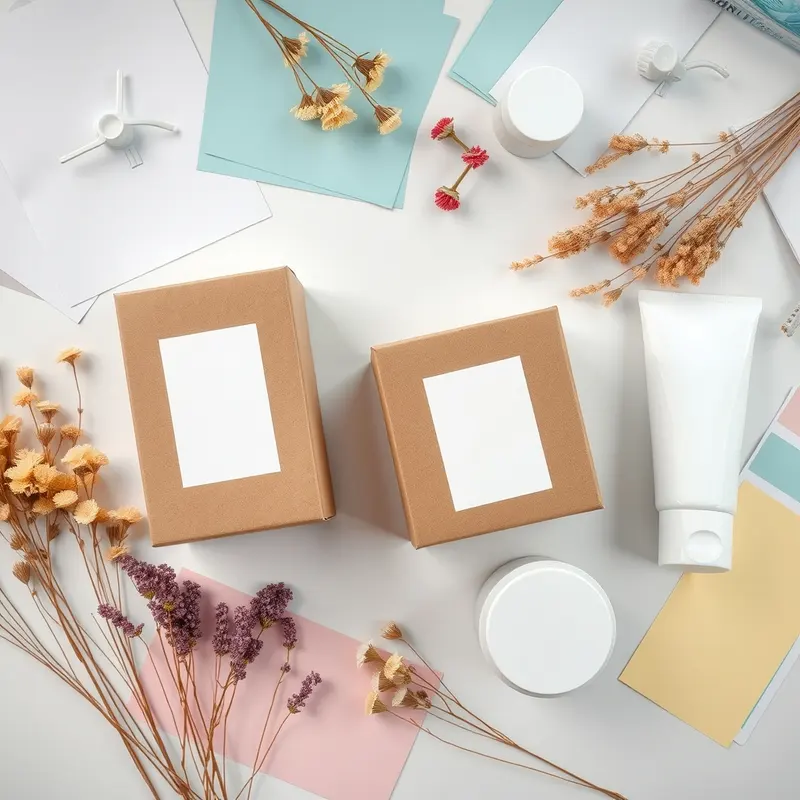
In skincare, packaging isn't just a container—it's the first thing customers see in a Shopee thumbnail or TikTok video. A few things to consider:
- **Type of container:** Dropper for serum, airless pump for sensitive formulas, tube for sunscreen or cleanser, jar for cream.
- **Compatibility:** Not every formula works in every package. Ask your manufacturer which packaging suits your formula so texture or color doesn't change.
- **Label:** The ingredient list, instructions for use, and other information required by Philippine regulations must be clear.
For documents, selling cosmetics in the Philippines requires FDA Philippines approval, and the exact process depends on the product and your role as importer or distributor. The manufacturer typically prepares technical product documents for your target market when requested, but you or a regulatory consultant must check all FDA Philippines requirements and coordinate with your customs broker.
Tip: Don't print thousands of labels until final product and regulatory review details are confirmed.
Step 6: Samples, Production, and Launch Preparation
Once your concept and packaging are approved, you enter the sample stage. This is where you test texture, scent, absorption, and how it feels on your skin in our actual climate. A few practical tips:
- Test the sample with several people in your target customer group, not just yourself.
- Use it morning and night, indoors and outdoors, to see how it performs in humid weather.
- Document feedback in detail so revision requests to the factory are clear.
Once the final sample is approved, then you discuss production, quality control, and shipping. Timeline and conditions are confirmed during quotation, as they depend on the product, packaging, and quantity.
While production is underway, prepare your launch: product photos, content for TikTok and Facebook, listings on Shopee or Lazada, and a plan for getting initial reviews. Many brands delay not because of the factory but because marketing isn't ready when stock arrives.
If you want a partner to guide you from idea through shelf, you can speak with 5FINE about formula development, packaging, and production with GMP-certified partner factories. Our team supports brand strategy and brand building every step of the way.
Need expert support?
Leave your details and our team will get back to you.
FAQ
Frequently asked questions
Do I need to travel to Thailand to start my own skincare brand?
Not always. Many parts of the process—such as briefing, consultation, formula selection, and sample review—can be done online and through sample shipments. However, if your budget allows, an in-person visit is very helpful to get to know your partner better.
How many products should I launch at the start?
For most new brands, one to three SKUs is a practical starting point. A clear hero product is easier to market, and since the standard is 1,000 units per SKU for product development, you keep your investment more controlled when starting with fewer SKUs.
Who handles FDA Philippines requirements?
The manufacturer usually prepares product documents according to your target market when requested. However, filing and compliance with FDA Philippines is the responsibility of the importer or brand owner, so it's wise to consult the FDA or a regulatory consultant before launch.
Can I use a ready-made formula and just change the branding?
Yes, that's the ODM model. You select an existing formula and can make light adjustments like scent or color depending on the formula. This is often the fastest way to test the market before investing in full formula development.
Prepared by the 5Fine team for informational purposes. Some links may lead to referred partners.
Articles
Related articles
كيف تبدأ علامة تجارية للعناية بالبشرة: دليل عملي لأصحاب العلامات
يفكر كثير من رواد الأعمال وصانعي المحتوى في سوق الإمارات ومنطقة الخليج في إطلاق علامتهم الخاصة للعناية بالبشرة، لكن السؤال الأول دائمًا: من أين تبدأ فعليًا؟ هل تبدأ بالتصميم، أم با
ขั้นตอนสร้างแบรนด์เครื่องสำอาง: คู่มือฉบับสมบูรณ์สำหรับเจ้าของแบรนด์มือใหม่
หลายคนฝันอยากมีแบรนด์เครื่องสำอางเป็นของตัวเอง แต่พอเริ่มลงมือจริงกลับไม่รู้ว่าต้องเริ่มจากตรงไหน ต้องติดต่อใคร ต้องเตรียมเอกสารอะไรบ้าง และจะเลือกโรงงานผลิตอย่างไรให้ได้คุณภาพที่ว

โรงงานผลิตเครื่องสำอาง: เลือกอย่างไรให้ได้พาร์ทเนอร์ที่ใช่สำหรับแบรนด์คุณ
สำหรับเจ้าของแบรนด์ KOL หรือผู้ที่กำลังวางแผนเปิดตัวสินค้าความงามของตัวเอง การเลือกโรงงานผลิตเครื่องสำอาง คือจุดเริ่มต้นที่สำคัญที่สุดจุดหนึ่ง เพราะไม่ใช่แค่เรื่องของกำลังการผลิต แ
Private Label Skincare in Saudi Arabia: A Buyer's Guide for Brand Owners
Saudi Arabia has become one of the most watched beauty markets in the Gulf. Local brand owners, clinic groups, retail chains and content creators are no longer content to resell im

รับผลิตคอลลาเจน OEM: คู่มือเริ่มต้นสร้างแบรนด์อาหารเสริมของคุณเอง
ตลาดคอลลาเจนในไทยและภูมิภาคอาเซียนยังคงเติบโตต่อเนื่อง ทั้งในรูปแบบผง ชนิดดื่ม แคปซูล หรือผสมผสานกับสารสกัดอื่น ๆ สำหรับเจ้าของแบรนด์ อินฟลูเอนเซอร์ หรือผู้จัดจำหน่ายที่กำลังมองหาพ
مصنع مستحضرات تجميل بالجملة للعلامات الخاصة: دليل الاختيار
اختيار مصنع مستحضرات تجميل بالجملة للعلامات الخاصة قرار يحدد شكل منتجك وتكلفته وقدرتك على التوسع. هذا الدليل يشرح نماذج الإنتاج الثلاثة، وما يجب التحقق منه في ملف أي شريك تصنيع.