
Buying guide
Private Label Skincare Thailand: Practical Guide for Indian Brand Owners
Discover why Indian brand owners, influencers and distributors choose private label skincare from Thailand. Learn about ODM/OEM options, MOQ, formula development and how to launch

Private label skincare made in Thailand has become a serious option for many Indian brand owners, influencers and distributors today. Thailand's herbal tradition, understanding of tropical skin, and network of GMP-certified factories make it attractive. But real results come only when you know which decisions to make from the start. In this guide, we'll walk through the entire process step by step.
Why Choose Thailand for Private Label Skincare
Skincare demand in the Indian market is growing rapidly, and customers today look beyond brand names—they examine ingredients, texture and skin impact. Thailand stands out for several solid reasons.
First, climate similarity. Thailand and many parts of India share hot, humid weather, so formulas developed there often focus on lightweight texture, oil control and sun protection—matching the needs of Indian consumers.
Second, a deep tradition of herbal and natural ingredients. Turmeric, tamarind, lemongrass, aloe vera—these have long been used in Thai skincare, and Indian customers easily recognize and trust them.
Third, a complete manufacturing ecosystem. For OEM skincare and product development, Thailand has formulation labs, packaging suppliers and GMP-standard factories in close proximity, making coordination between samples, packaging and production seamless. Still, Thailand isn't right for every brand; decide based on your target customer, budget and sales channels.
ODM, OEM or Full Custom: Which Model Suits You
Before starting private label skincare, the biggest decision is which model to work with. Three main paths exist:
— **ODM (Ready-Made Formulas)**: The factory has pre-tested formulas; you select one and launch under your brand name and packaging. This is the fastest, lowest-risk route—ideal for new brands. — **OEM skincare**: You have your own formula or clear technical specifications, and the manufacturer produces according to your specs. This suits brands with a clear product direction already. — **Full Custom**: A new formula is developed together. This involves formula development, multiple sample rounds and stability testing, requiring more time and budget.
A common mistake: new brands jump straight to full custom without market data. A practical approach is to start your brand with ODM in your first range, gather sales data and customer feedback, then move toward custom formulation in your second range.
When you start your brand this way, you reduce risk while learning what your customers actually want.
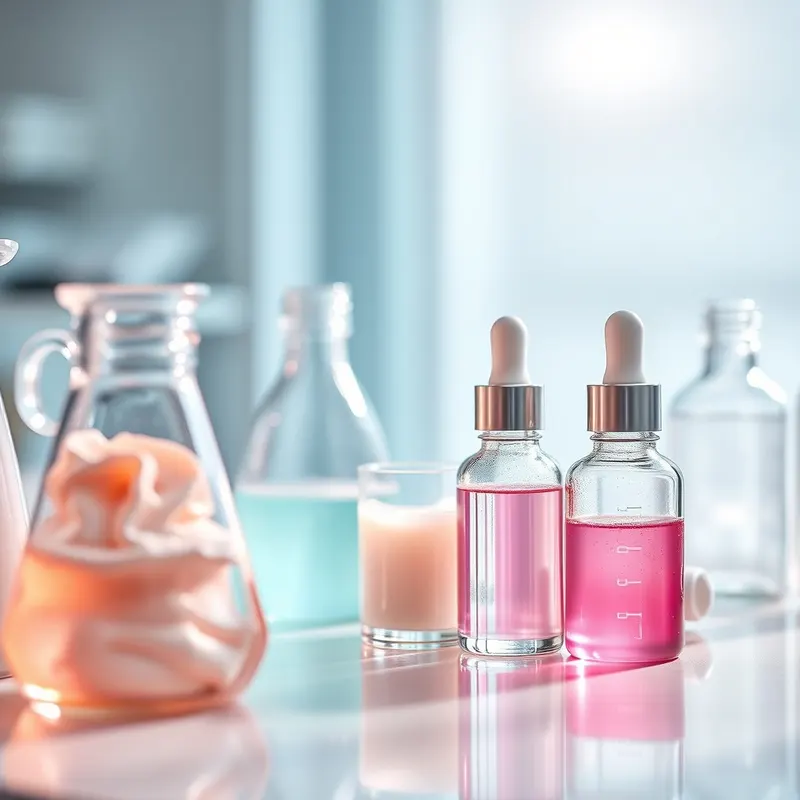
Formula and Samples: Decisions That Define Your Product
Your product's true identity forms during the sampling phase. So preparing a clear product brief is essential, covering:
— Target skin type (oily, combination, sensitive) and main concern (acne, dark spots, dryness); — Desired texture: gel, lotion, cream or serum; — Key active ingredients and ingredients to avoid; — Fragrance preference: unscented, light natural or specific; — Target price point, so the formula is developed accordingly.
When you receive samples, don't rely only on your own judgment. Have a small group of target customers test for several days and give written feedback on texture, absorption speed, scent and skin feel. Test how it performs in Indian heat too.
One more thing: document every sample revision round in writing. This prevents misunderstandings between the factory and you, ensuring final production matches what you approved.
Formula development isn't just about meeting specifications—it's about creating something your customers will repurchase.
Packaging and Branding: Standing Out on Shelves
In skincare, packaging isn't just an outer wrapper—it's both product protection and your brand's story. Droppers or airless pumps for serums, jars or tubes for creams, tubes for sunscreen are common choices. The right selection depends on formula stability, ease of use and your price tier.
Practical tips for the Indian market:
— **Heat and humidity**: Choose packaging that protects the formula from air and light, especially for products with active ingredients; — **Label space**: Leave adequate room for required labeling information in India, avoiding sticker hassles later; — **E-commerce durability**: Online sales demand robust packaging to prevent leaks and damage during shipping; — **Brand consistency**: Keep color, font and finish (like hot stamping) uniform across your range.
When you start your brand, develop name, logo and packaging design alongside product development so everything aligns perfectly at launch.
Brand strategy means every visual element reinforces who you are and why customers should choose you.

MOQ, Budget and Production Planning
Minimum Order Quantity (MOQ) is a critical point when manufacturing private label skincare in Thailand. Our standard MOQ is **1,000 units per SKU**. This means if you're launching three products, you'll plan separately for each.
When budgeting, count more than just production costs. Total investment typically includes:
— Formula and sample development; — Packaging and printing; — Documentation and testing for your target market; — International shipping, customs and local warehousing; — Marketing and launch expenses.
Pricing depends on product type, ingredients, packaging and quantity, so exact figures are confirmed at quotation. Production time also varies based on formula, packaging availability and documentation preparation, confirmed with your quotation.
A smart approach: keep your first range to 2–3 strong SKUs, reserve budget for marketing, and expand based on sales results.
This balanced strategy helps new brands avoid overstocking while building momentum in the Indian market.
India Import: Documentation and Common Mistakes
Importing and selling cosmetics in India typically requires registration and compliance with labeling rules. Regulations change regularly, so this is reference information only; please confirm current requirements with your customs broker or regulatory consultant.
The skincare manufacturer typically prepares product-specific documents at order time, such as ingredient lists (INCI), product specifications and relevant certifications. Share the needed documentation list upfront so preparation happens alongside production.
Common mistakes by Indian brand owners:
— Delaying registration, leaving finished goods stuck; — Finalizing label design without checking local labeling requirements; — Using product claims (like "whitening" or medical claims) without verification; — Launching too many SKUs at once.
Working with an end-to-end OEM skincare partner like 5FINE means one contact point for formula, packaging, production and export documents, while you coordinate with your local importer or consultant on India-specific procedures.
Brand building in the Indian market requires both product excellence and regulatory clarity from day one.
Need expert support?
Leave your details and our team will get back to you.
FAQ
Frequently asked questions
What is the minimum quantity for manufacturing private label skincare in Thailand?
Our standard MOQ per SKU is 1,000 units. If you're launching multiple products, plan separately for each one. Keeping fewer SKUs in your first range is safer for both budget and inventory management.
Can I develop a custom formula with Thai herbal ingredients?
Yes, in full custom or OEM models, formulas can be developed with herbal ingredients. This requires a clear product brief, multiple sample rounds and stability testing. Timeline and cost depend on formula complexity and are determined at quotation.
Who is responsible for registration in India?
Generally, the Indian importer or brand owner handles import and registration in India. The manufacturer provides product-specific documents. Confirm current requirements with your customs broker or regulatory consultant.
Which model is better for first-time brand owners?
For most new brands, starting with ODM—ready-made formulas—is practical. It reduces risk and gets you market feedback quickly. Once you have sales data, moving toward custom formulation becomes easier.
Prepared by the 5Fine team for informational purposes. Some links may lead to referred partners.
Articles
Related articles
Mở Thương Hiệu Mỹ Phẩm Riêng Cần Những Gì? Hướng Dẫn Từ A-Z Cho Người Mới Bắt Đầu
Ngày càng nhiều chủ shop, KOL và nhà phân phối muốn sở hữu một dòng mỹ phẩm mang tên mình thay vì chỉ bán lại sản phẩm có sẵn. Nhưng câu hỏi "mở thương hiệu mỹ phẩm riêng cần những

Private Label Cosmetics Thailand Low MOQ: A Buyer's Guide for PH Brand Owners
If you're a Philippine brand owner, KOL, or distributor searching for "private label cosmetics Thailand low MOQ," you're likely weighing two things at once: how to keep your first

Private Label Glutathione Supplement Manufacturer: A Buyer's Guide for Philippine Brand Owners
Glutathione remains one of the most commercially resilient categories in the Philippine beauty and wellness market — sold in pharmacies, derma clinics, salons, live selling channel

รับผลิตครีมกันแดด: 6 เรื่องที่เจ้าของแบรนด์ต้องตัดสินใจก่อน
รับผลิตครีมกันแดดเป็นงานที่ดูเผินๆ เหมือนทำสกินแคร์ตัวหนึ่ง แต่จริงๆ มีรายละเอียดมากกว่า เพราะค่า SPF และ PA ที่พิมพ์บนกล่องต้องมาจากผลทดสอบของสูตรจริง ไม่ใช่การคาดคะเนจากส่วนผสม
How to Choose a Cosmetics Contract Manufacturer: A Guide for Brand Owners in the UAE
Launching a beauty brand in the UAE market is exciting, but the single decision that determines whether your products ever reach shelves is who makes them. A cosmetics contract man
Quy trình gia công mỹ phẩm từ A đến Z: 6 chặng cho chủ thương hiệu
Quy trình gia công mỹ phẩm từ A đến Z không bắt đầu ở nhà máy mà ở bàn làm việc của chủ thương hiệu: bạn bán cho ai, sản phẩm giải quyết vấn đề gì, định vị ở phân khúc nào. Bài viế