
Guide
How to Start a Skincare Brand in Saudi Arabia: A Practical Guide
Learn how to start a skincare brand in Saudi Arabia with a strategic approach. Discover the key decisions before investing, from understanding your customer to choosing manufacturi

If you're asking yourself how to start a skincare brand in Saudi Arabia, the real question isn't "where do I find a factory?" but "what decisions must I make before spending a single riyal?" This guide maps your path from understanding the Saudi customer to choosing your manufacturing route, formula development, packaging, and registration—clarifying the trade-offs at each step so you can launch with confidence and a realistic budget.
Start with the Saudi Customer, Not the Product
The most common mistake among new brand owners is starting with a product they personally love, then searching for buyers later. The Saudi market is conscious and diverse: one customer seeks gentle brightening products suitable for sun-exposed skin, another prioritizes natural ingredients and herbs, and a growing male segment wants a simple, quick routine.
Before any conversation with a skincare manufacturer, write on a single page:
- **Who is your customer exactly**: age, skin type, city, and where they shop (pharmacy, e-commerce, Instagram, Snapchat).
- **The problem your product solves**: dryness from air conditioning and dry climate? pigmentation? oily skin in summer?
- **The price your customer will accept at retail**: because this figure later determines the type of formula and packaging possible.
- **Why they'll choose you**: a story, a special ingredient, a usage experience, or design.
This simple page becomes your "product brief" that you submit to the skincare manufacturer, saving you long rounds of unsuitable samples. The clearer your brief, the more accurate the suggestions you receive, and the more realistic the cost discussion becomes.
Choose Your Manufacturing Path: ODM, OEM, or Full Development
There are three main ways to turn your idea into a product, each with advantages and trade-offs:
- **ODM (ready-made formula)**: You select from pre-developed formulas and apply your brand. This is the fastest route to market and lowest risk, but gives you less differentiation in the formula itself—so your brand strategy must shine in identity and marketing.
- **OEM skincare**: You provide specifications or your own formula and the manufacturer produces it. Suitable for those with experience or a tested formula.
- **Full development**: An R&D team works with you on a completely new formula from scratch. It gives you the highest degree of differentiation, but requires longer timelines, more sample rounds, and a larger development budget.
For most new brands starting your brand in Saudi Arabia, the smart beginning is often ODM for one or two core products, then moving to custom development once customer feedback becomes clear. Partners like 5FINE operate across these three routes through a network of GMP-certified factories in Thailand, Korea, Japan, and Dubai, offering you choices in approach: K-beauty research, Japanese quality, or Halal-ready Thai herbs. The right decision depends on your budget and how central formula development is to your brand narrative.
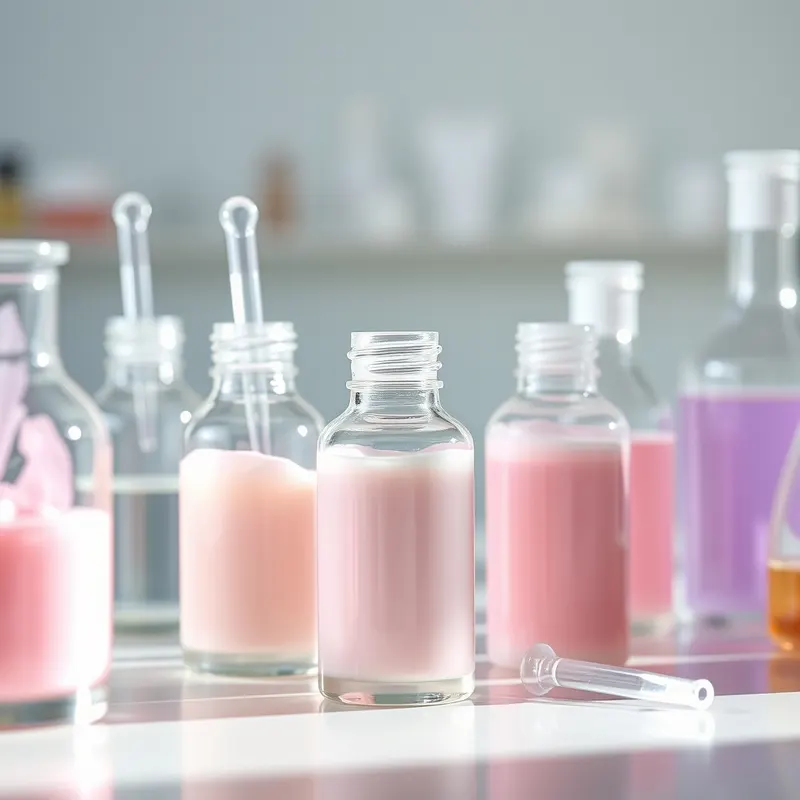
Formula Development and Samples: How to Evaluate Like a Brand Owner
The formula development stage is the heart of your project, and it's where many rush. When samples arrive, don't just ask "do I like it?" Evaluate them methodically:
- **Texture and absorption**: Does it suit hot, dry weather? A heavy cream may be excellent in a European winter but annoying in Riyadh summers.
- **Scent**: The Gulf customer is scent-sensitive; decide whether you want a distinct fragrance or a fragrance-free product.
- **Heat stability**: Ask about stability testing, because the product may face high temperatures during shipping and storage.
- **Ingredients and Halal suitability**: If this matters to your customers, discuss it early before approving the formula, because changing ingredients later sends you back to the start.
- **Product claims**: Don't make any claim on packaging unless you have documents to back it.
Ask a small group of users to test samples for two weeks and record their feedback in writing. It's normal to go through more than one revision round. A good skincare manufacturer doesn't measure success by how fast a sample is approved, but by delivering a product your customer will buy again.
Packaging and Identity: What the Customer Sees Before Trying
In the Saudi market, the customer buys with their eyes first, especially through e-commerce and social media. So packaging decisions must be made alongside formula development, not after.
Questions to settle:
- **Package type suited to the formula**: A formula sensitive to air usually needs airless packaging; thick creams suit jars or tubes; droppers convey a concentrated product feeling.
- **Visual level**: Is your brand luxury, natural, or clean science? Color, typography, and finish (such as hot stamping) must clearly convey this message.
- **Label language**: Plan space for Arabic and English text plus mandatory information—reprinting is costly.
- **Compatibility between package and formula**: Some materials react with certain ingredients, so request compatibility testing.
A common mistake is designing a beautiful box then discovering your chosen packaging isn't available in the required quantity or doesn't suit your formula. Best practice: packaging and formula teams work together from the start. This is a key reason to choose one partner managing the full brand building process rather than coordinating between separate lab, designer, and packaging supplier.

Registration, Compliance, and Import to the Kingdom
Before your product reaches retail shelves, you'll need to handle registration and import requirements. The regulatory authority for cosmetics in the Kingdom is the General Authority for Food and Drug Authority, and requirements may change—treat any information here as general reference and always verify with the Authority or a local customs broker or regulatory consultant.
Generally, prepare for these points:
- **Commercial entity or importing body**: Decide who will be the registered importer of your product.
- **Product file**: ingredient list, factory data, manufacturing and quality documents, and test results required by the authority.
- **Label**: mandatory information in Arabic, and avoid therapeutic claims that might classify your product outside the cosmetics category.
- **Halal documentation** if it's part of your marketing message—it's prepared per product and per target market.
A good partner prepares the technical documents required from the manufacturing side according to your target market, but responsibility for local registration remains your decision managed with the competent authorities. Start this file early; delays here are the most common cause of launch postponement.
First Order and Launch Plan
Once your formula and packaging are approved, comes the decision on your first quantity. The standard minimum order for contract manufacturing is 1,000 units per SKU—a figure you must factor into your financial plan from the start: how many products will you launch? How much of each?
Practical advice: don't launch six products at once. Start with one or two "hero" products solving a clear problem for your customer, then expand the range based on real sales and reviews. This cuts dead stock and gives you actual data.
Your launch plan includes:
- **Sales channels**: dedicated e-commerce store, e-commerce platforms, salons and beauty centers, or pharmacies.
- **Content**: work with influencers who genuinely match your audience, and educational content explaining usage.
- **Full cost**: calculate shipping, clearance, registration, and marketing—not just manufacturing price.
Costs vary by product, quantity, and packaging, and your partner's team will detail these at the quotation stage. When you're ready, launch your brand with small, planned steps rather than one big bet.
Need expert support?
Leave your details and our team will get back to you.
FAQ
Frequently asked questions
Do I need cosmetic chemistry expertise to start my brand?
No. Most successful brand owners aren't chemists. Your role is understanding the customer, defining the brief, building the identity, and planning sales, while your partner's R&D team handles the technical side. What matters is asking clear questions and testing samples seriously before committing.
What is the minimum order quantity in manufacturing?
The standard minimum is 1,000 units per SKU. So it's recommended to start with a few core products to keep budget and inventory under control, then expand gradually once you see which products your customers demand most.
How long does the brand launch journey take from idea to shelf?
Timeline varies greatly depending on your path (ODM is faster than full development), sample revision rounds, packaging prep, and Kingdom registration requirements. There's no fixed duration; the expected timeline is clarified when you receive a quotation after your project is understood.
Can I make Halal-compliant products?
Yes, this can be discussed from the start, especially with ready-made Thai herbal lines that are Halal-ready. Halal documentation is prepared per product and per target market based on demand, so mention this requirement in your product brief before formula approval.
Prepared by the 5Fine team for informational purposes. Some links may lead to referred partners.
Articles
Related articles

تصنيع عطور بعلامة تجارية خاصة: دليل المشتري لإطلاق خط عطور في الإمارات
سوق العطور في الإمارات من أكثر الأسواق نضجًا وتطلبًا في العالم: عميل يعرف الفرق بين العود الحقيقي والنوتة الاصطناعية، ومتاجر تفاضل بين العبوات بالملمس قبل الرائحة. لذلك فإن قرار ال

مصنع مستحضرات تجميل بالجملة للعلامات الخاصة: دليل الاختيار
اختيار مصنع مستحضرات تجميل بالجملة للعلامات الخاصة قرار يحدد شكل منتجك وتكلفته وقدرتك على التوسع. هذا الدليل يشرح نماذج الإنتاج الثلاثة، وما يجب التحقق منه في ملف أي شريك تصنيع.

كيف تبدأ علامة تجارية للعناية بالبشرة: دليل عملي لأصحاب العلامات
يفكر كثير من رواد الأعمال وصانعي المحتوى في سوق الإمارات ومنطقة الخليج في إطلاق علامتهم الخاصة للعناية بالبشرة، لكن السؤال الأول دائمًا: من أين تبدأ فعليًا؟ هل تبدأ بالتصميم، أم با
ODM Cosmetics Thailand: A Practical Guide for Brand Owners in the UAE
For UAE-based entrepreneurs, distributors, and clinic owners looking to launch a beauty or wellness line, ODM cosmetics Thailand sourcing has become a serious alternative to workin

How Much Does It Cost to Start a Skincare Brand? A Practical Guide for Philippine Entrepreneurs
If you've been searching "how much does it cost to start a skincare brand," chances are you already have a product idea, maybe even a name, and you're trying to figure out whether
OEM Serum Manufacturer Thailand: A Buying Guide for Brand Owners in the Philippines
Filipino beauty entrepreneurs, distributors, and KOLs looking to launch a serum line are increasingly turning to Thailand — home to a dense network of GMP-certified labs, experienc