
Guide
Start Your Own Skincare Brand from Thailand: 6 Key Decisions Before You Begin
Building your own skincare brand from Thailand is increasingly attracting Malaysian business owners. Learn the 6 critical decisions for OEM skincare success, from target customer t
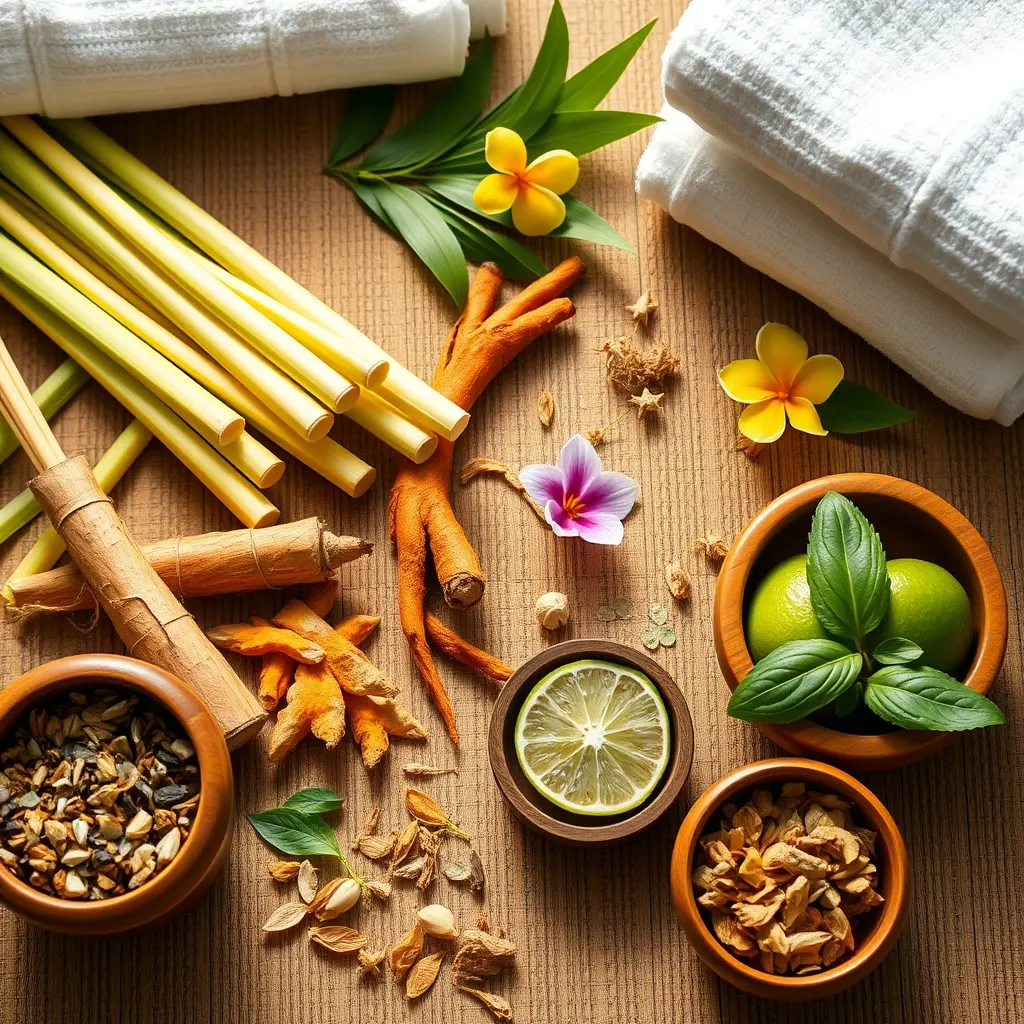
Building your own skincare brand from Thailand is increasingly attracting Malaysian business owners, from spa owners to social media influencers. Thailand is renowned for its herbal ingredients, formulations suited to tropical climates, and extensive packaging options. However, a brand's success depends on making the right decisions from the start. This guide explains six key decisions you need to make before approaching a skincare manufacturer.
Why many brand owners choose Thailand
Thailand has a mature cosmetics manufacturing ecosystem, with numerous factories experienced in producing products for local and international brands. For brand owners in Malaysia, there are several practical reasons why Thailand becomes the choice:
- **Expertise in herbal and traditional ingredients.** Ingredients like lemongrass, turmeric, tamarind and various local herbs have long been used in Thai beauty products.
- **Formulations for humid climates.** Light textures, quick absorption and suitability for tropical skin.
- **Packaging options.** From dropper bottles, airless pumps to glass jars and hot stamp packaging.
- **Geographic proximity.** Shipping to Malaysia is easier to arrange compared to distant regions.
- **Halal-ready options.** For certain categories, halal documentation can be provided according to target market requirements, depending on the product.
However, these advantages only matter if you know what you want to build. Successful brands don't start with the question 'which factory is cheapest', but with 'who is my customer and what problem am I solving'. The next five decisions help you answer that question clearly.
Decision 1: Who is your customer and what is your brand promise
Before choosing a formula or bottle, determine who will buy your product. Spa customers wanting professional treatments are different from teenagers buying on TikTok Shop. Muslim customers who prioritize halal status are different from customers seeking vegan products.
Write a brief profile of your main customer:
- Age, skin type and main concerns (acne, dullness, sensitive skin, aging).
- Where they shop: physical stores, Shopee, Lazada, TikTok Shop or directly from spa.
- Price range they consider fair.
- What makes them trust a brand.
From this profile, create one simple brand promise sentence. For example: 'Light herbal skincare for oily skin in hot weather.' This sentence becomes your compass for every subsequent decision, from active ingredients to box color.
A common mistake is trying to sell to everyone. A new brand that's too broad is hard to differentiate, and marketing budgets run out quickly. Better to start with one clear customer group, then expand once the brand is established.
Decision 2: ODM, OEM or full custom formula development
There are three main routes for private label skincare production, and each has advantages and trade-offs:
- **ODM (ready-made formula):** you choose a formula already developed and tested by your manufacturing partner, then apply your brand. This is the fastest route and suitable for new brands wanting to test the market.
- **OEM (to your specification):** you bring your own specification or formula, and the factory produces it. Suitable if you already have a formula or technical expertise.
- **Full custom formula:** you and the R&D team develop a new formula together. This gives the strongest differentiation, but requires more time for samples, stability testing and review.
For most first brands, ODM with minor adjustments (fragrance, texture or additional ingredients) is a balanced starting point. You can get quality products without the burden of full formula development. Once the brand has sales data and customer feedback, it makes more sense to invest in a custom formula. Discuss all three options with your OEM skincare partner so you understand the costs and timeline involved for each route.
Decision 3: Number of products and first order quantity
Many brand owners want to launch five or six products at once. In reality, a small, strong range is usually easier to sell and manage. Consider starting with two to three complementary products, for example a cleanser, serum and moisturizer for the same skin concern.
Order quantities also need careful planning. In OEM/ODM manufacturing, the standard minimum order quantity is 1,000 units per SKU. This means each product variation, including different sizes or fragrances, counts as a separate SKU.
Things to consider:
- **Cash flow:** how much capital is tied up in inventory before sales come in.
- **Expiry date:** make sure you can sell stock within the product's shelf life.
- **Storage space:** cosmetic products need to be stored properly, away from excessive heat.
- **Launch strategy:** will you sell through pre-order, through distributors or directly to consumers?
Realistic planning helps you avoid excess stock and gives room to add new products based on actual demand.
Decision 4: Packaging and brand identity
For skincare products, packaging is not just decoration. It protects the formula, influences how the product is used, and is the first thing customers see on their phone screen or shop shelf.
Common packaging options:
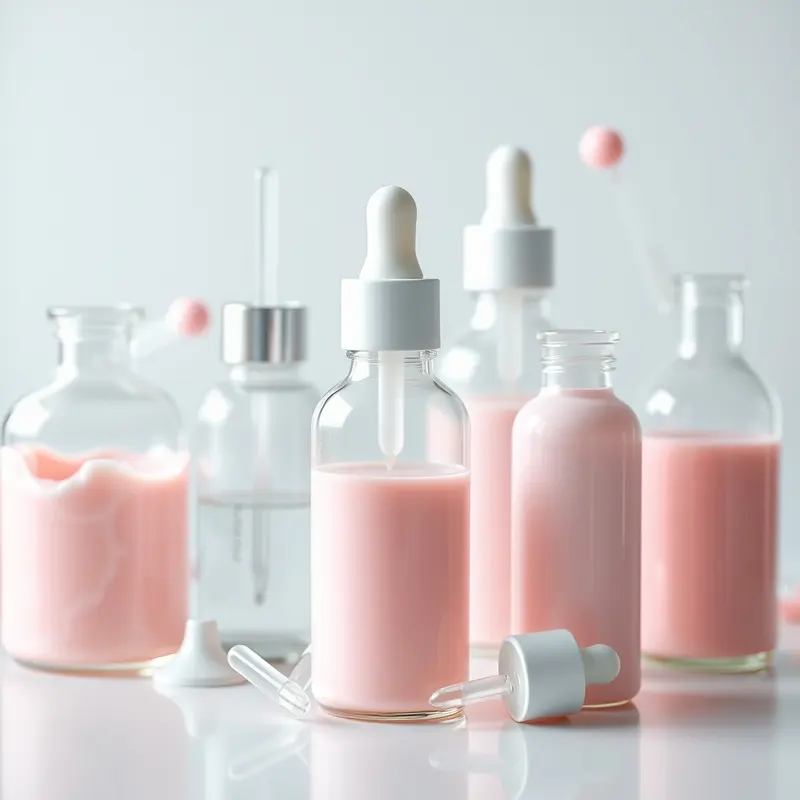
- **Glass dropper bottles:** suitable for serums and face oils, gives a premium feel.
- **Airless pump:** protects sensitive formulas from air, suitable for creams with active ingredients.
- **Jars:** suitable for thick creams and masks, but consider hygiene of use.
- **Tubes:** practical, lightweight and easy to ship, suitable for cleansers and sunscreen.
Also ensure your brand identity is consistent: name, logo, colors, fonts and tone of voice. Check whether your brand name can be registered and is not already used by others in your market.
Labels must comply with target market requirements, including ingredient list, usage instructions and manufacturer information. For Malaysia, check cosmetic notification requirements and labeling with the relevant authorities before printing labels in bulk. Label mistakes can force you to reprint, wasting time and cost.
Decision 5 and 6: Documentation, notification and choosing your manufacturing partner
The last two decisions are closely linked: what documents you need, and who will help you prepare them.
**Documents and notification.** Cosmetic products sold in Malaysia usually need to go through a notification process with local authorities. Documents such as ingredient list, manufacturer information and certain certificates may be required. The actual requirements depend on the product, so always check with authorities or a registration agent in your country.
**Choosing your manufacturing partner.** When evaluating a cosmetics factory or product development partner, ask the following questions:
- Is production done in a GMP-compliant facility?
- Can they provide samples and explain the formula review process?
- What documents can they provide according to your target market?
- How is quality control performed before shipment?
- Who is your main point of contact throughout the project?
For example, 5FINE works as an OEM/ODM partner that manages production through a network of GMP-compliant partner factories in Thailand, from concept to logistics, with a single point of contact. Whatever your choice, make sure every agreement is documented clearly before production begins.
Need expert support?
Leave your details and our team will get back to you.
FAQ
Frequently asked questions
What is the minimum quantity to start my own skincare brand from Thailand?
In OEM/ODM manufacturing, the standard minimum order quantity is 1,000 units per SKU. Price depends on the product, formula, packaging and quantity, and the team will provide guidance during the quotation process.
Do I need to have my own formula?
Not necessarily. With the ODM route, you can choose an existing formula and make minor adjustments. A fully custom formula makes sense when your brand already has customer data and wants stronger market differentiation.
Can the products be made with halal documentation?
For certain categories, halal documentation can be provided according to target market requirements, depending on the product and ingredients. Discuss these requirements early so that the formula and raw materials are selected appropriately.
Who is responsible for cosmetic notification in Malaysia?
Usually the brand owner or importer in Malaysia is responsible for product notification. The manufacturing partner can help prepare technical documents as requested, but check current requirements with the relevant authorities.
Prepared by the 5Fine team for informational purposes. Some links may lead to referred partners.
Articles
Related articles

ขั้นตอนจดแจ้ง อย. เครื่องสำอาง: คู่มือเจ้าของแบรนด์
สำหรับคนที่กำลังจะเริ่มแบรนด์ความงาม คำถามที่มักมาก่อนเรื่องยอดขายเสมอคือ "ต้องจดแจ้ง อย. อย่างไร" เพราะเครื่องสำอางที่วางจำหน่ายในประเทศไทยต้องมีเลขที่ใบรับจดแจ้งกำกับ และหลายช่อง
OEM Supplement Manufacturer Thailand: A Buyer's Guide for Brand Owners in the UAE
If you're a brand owner, distributor, or entrepreneur in the UAE looking to launch a supplement line, Thailand has quietly become one of the most capable manufacturing hubs in Asia
Private Label Skincare in Saudi Arabia: A Buyer's Guide for Brand Owners
Saudi Arabia has become one of the most watched beauty markets in the Gulf. Local brand owners, clinic groups, retail chains and content creators are no longer content to resell im
Beauty Product Manufacturer Thailand: A Guide for PH Brand Owners
Choosing a beauty product manufacturer in Thailand is one of the biggest decisions a Philippine brand owner will make, because the partner you pick shapes your formula, your packag

How Much Does It Cost to Start a Skincare Brand? A Practical Guide for Philippine Entrepreneurs
If you've been searching "how much does it cost to start a skincare brand," chances are you already have a product idea, maybe even a name, and you're trying to figure out whether

مصنع مستحضرات تجميل بالجملة للعلامات الخاصة: دليل الاختيار
اختيار مصنع مستحضرات تجميل بالجملة للعلامات الخاصة قرار يحدد شكل منتجك وتكلفته وقدرتك على التوسع. هذا الدليل يشرح نماذج الإنتاج الثلاثة، وما يجب التحقق منه في ملف أي شريك تصنيع.