
Buying guide
OEM Serum Production: How to Choose Active Ingredients and Concentration for Your Target Market
OEM skincare success depends on selecting the right active ingredients and concentrations from your first brief—not just choosing a factory name. Learn how to think through formula

OEM serum production succeeds or fails based on your choice of active ingredients and concentration from the initial brief—not on the factory name alone. Many brand owners walk in saying they want a brightening serum and expect the skincare manufacturer to read their mind. The result: beautiful samples that don't actually sell. This article explains how to think through active ingredients, concentration levels, texture, and real formula constraints so you can speak strategically with your formula development team and move toward actual product development that converts.
Start With Your Customer, Not the Active Ingredient Name
Before mentioning any ingredient name, answer one question first: what problem does this serum solve, for whom, and when in their day do they use it? Oily skin, sensitive skin, aging skin, or dull skin from sun exposure—each group expects different textures, scents, and post-application feelings.
Brand owners who begin with their customer segment move through private label skincare discussions with their team much faster because the brief is clear. A working brief example: your core customer is 25–35 years old with combination skin, lives in a hot and humid climate, applies serum in the morning before makeup, dislikes tackiness, and repurchases through live shopping. A brief like this eliminates half your formula options instantly.
Things to write down before your first factory call:
- Who buys: age, gender, skin type, and climate they live in
- One problem this serum solves—not three at once
- Where it fits in their routine: before or after what?
- What products your customers use now and what they complain about most
- Your main sales channel, because online selling and clinic sales require different value propositions
A common mistake is choosing ingredients before choosing people, because you see competitors doing it with sales success. You end up with a formula that copies competitors but gives customers no reason to switch. Starting from your customer segment lets you explain why this specific ingredient matters—the same logic you'll use to sell the product later.
Popular Active Ingredients in OEM Skincare—and What You Trade For Each
Each active ingredient family has different benefits and trade-offs. Knowing them beforehand prevents surprises when your skincare manufacturer explains why your requested formula won't work as designed.
- **Vitamin C derivatives** deliver a brightening image but pure vitamin C is sensitive to light, air, and heat, so they typically require opaque packaging and an anti-oxidant system. Stabilized derivatives work more easily but feel different on skin.
- **Niacinamide** works well alongside other ingredients and controls oiliness effectively—ideal for hot climates. But at high concentrations in some formulas, it may irritate certain skin types.
- **Retinoid family** has strong anti-aging claims, but requires careful design for irritation management and stability, plus extra attention to messaging.
- **AHA and BHA exfoliating acids** demand strict pH control, which limits what other actives you can include in the same bottle.
- **Peptides and hyaluronic acid** are safe regarding irritation and mix easily into formulas—good for gentle-positioning brands. But customer results usually come from hydration rather than structural skin change.
- **Thai botanical extracts** are a strength where Thai factories excel and tell a compelling story, especially for brands positioning themselves as **brand building** rooted in local heritage.
The truth is no formula excels at everything. Stuffing multiple active ingredients into one bottle usually means each one sits at too low a concentration to work. Choose one lead active and one or two supporting actives for better results.
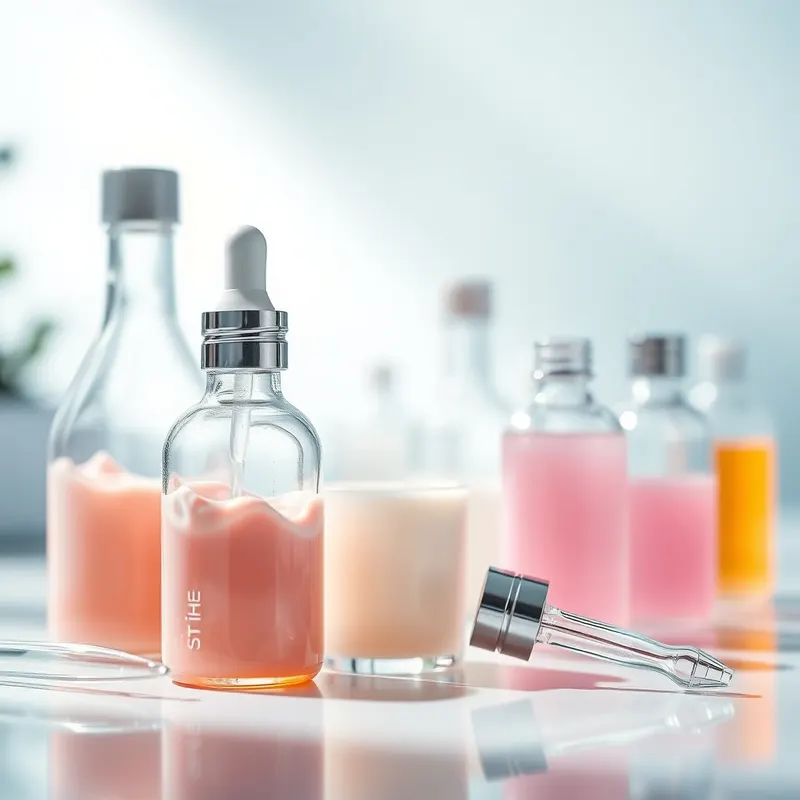
High Concentration Doesn't Equal Better Results
The percentage on the label is a powerful marketing tool, but from a formulation angle, concentration is just one of four factors. The other three are the formula's pH range, the physical form of the active used, and the delivery system that carries the active to where it should go.
Many actives perform best in a narrow pH window. If you ask for two actives that need different pH ranges in the same bottle, the manufacturer must choose one—or dilute both down until they're stable but ineffective. This is why many international brands separate their lead actives into different bottles and sell them as a set instead of combining them.
Clear questions to ask your formula development team:
- Is the concentration they propose a percentage of pure active, or of the raw material you buy (which already contains solvent)? These numbers differ significantly.
- If we increase concentration one more notch, how does that affect texture, color, scent, or stability?
- What preservative system does this formula require, and does that system work with your chosen packaging?
- What's the plan for stability testing and microbial testing? These results are what foreign distributors typically ask to see.
A useful framework: set your goal around customer experience after two weeks of use, not the number on the box. Then let the formula team tell you what concentration achieves that target within all other constraints.
Packaging Chooses the Formula—Or Does the Formula Choose Packaging?
Many brands pick a beautiful bottle first, then discover later that their desired formula won't fit in it. The reality is you must decide both together because packaging determines how much light, air, and customer fingers your formula encounters.
Broad principles that guide the choice:
- Formulas with oxygen-sensitive actives (vitamin C and retinoids) usually pair better with vacuum pump systems or opaque tubes than open jars.
- Glass droppers project a premium image but let air in every time you use it, and need extra shipping care because glass breaks easily.
- Very clear serums show any sediment or layer separation visibly in clear bottles. If you know your formula may cloud when it hits hot air, opaque packaging reduces complaint calls.
- Fill size affects both cost and repurchase behavior. Smaller sizes bring customers back faster, but packaging cost per unit rises proportionally.
One thing people often forget: bottles and cartons have their own production lead times, separate from formula manufacturing. If you're **starting your brand** for the first time, ask upfront which packaging components already exist in standard form and which require new tooling. These two categories affect your entire timeline differently. In typical OEM work, standard order minimums sit at 1,000 units per SKU—a number you should use for budgeting from day one.
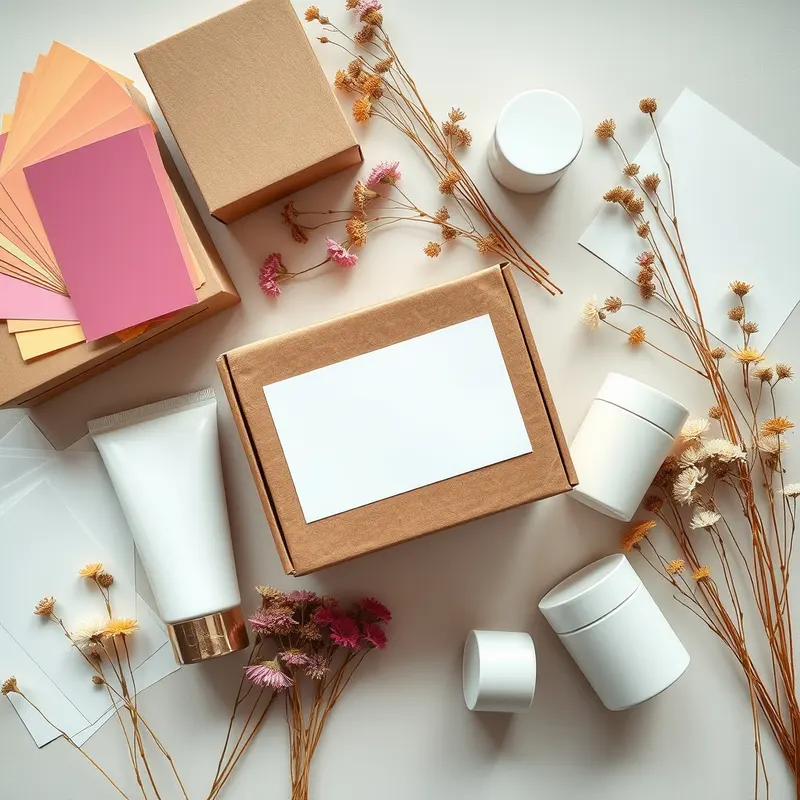
What You Want to Write on the Box Always Determines the Formula
If you want to communicate that your serum reduces fine lines or delivers radiance, your formula team must design it with supporting evidence at an appropriate level—and you must budget and schedule testing for it.
In Thailand, cosmetics must be registered with the Thai FDA before sale, and advertising claims have clear rules about what's permitted and what's not. Claims suggesting the product treats disease or permanently alters skin structure fall into the high-risk category. Details and interpretation shift, so check with the Thai FDA or your legal advisor before printing labels.
If you're planning to export, this layer gets even more complex. Each country maintains its own banned substance lists and concentration limits, plus different labeling language requirements. The safe approach: tell your formula development team from the initial brief which markets you'll sell into, so they select raw materials that work in all target markets from the start. This beats redesigning the formula after you've already produced your first batch.
A practical tip: draft three core sentences for your sales message before starting formula work, then send them to your formula team. If they say one sentence is hard to prove, either adjust the sentence or adjust the formula at that moment—much cheaper than reprinting cartons later.
A Strong Brief Makes Your First Sample Nearly Right
The difference between brands that get close-to-final samples in round one and those who iterate many times comes down to brief quality, not luck. A good brief doesn't need to be long or use technical jargon, but it must answer what your formula development team actually needs to know.
A brief template that works for serum and other work at a cream manufacturer:
- Your customer segment and the single problem your product solves
- Your lead active ingredient, why you chose it, and any ingredients absolutely forbidden—like alcohol, fragrance, or anything contradicting your brand positioning
- Desired texture, described in plain language: fast-absorbing, non-sticky, leaves a thin film, not oily
- Two to three reference samples from the market, with notes on what you like and dislike in each. This point helps most.
- Which markets you'll sell into, which sales channels, and what price range you're targeting, since price ceiling automatically determines your raw material cost ceiling
- Packaging preference—or at minimum, whether you're thinking dropper, pump, or tube
When your brief reaches this depth, sample rounds become fine-tuning, not starting over. You'll spend your time on what actually drives sales—design and channel strategy—instead of spinning on explaining what you want. The same principle applies to private label skincare in other categories like custom fragrance or any work where texture and scent are core to the offer.
Need expert support?
Leave your details and our team will get back to you.
FAQ
Frequently asked questions
How many active ingredients should go into one serum bottle?
We recommend one lead active that's the main reason customers buy, plus one or two supporting actives for hydration or irritation reduction. Putting multiple star ingredients in one bottle usually means each sits at too low a concentration to work effectively. Plus, a single strong story sells better—customers remember one benefit at a time. A formula with too many actives becomes hard to market because the message gets diluted along with the ingredients.
How many sample rounds does a serum formula typically need before you have a formula ready to produce?
There's no fixed number. It depends on how clear your brief is, how complex the formula, and how many decision-makers your brand has. The single biggest factor in reducing rounds is providing two to three reference samples from the market with specific notes on what you like and dislike about each. Also, have the same person evaluate every round—consistency matters. Different evaluators create more rounds because they prioritize different things.
What's the difference between a finished formula and developing a new formula for a small brand?
A finished formula means selecting from the factory's existing formula base and adjusting scent, color, or packaging. It's faster and suits first-market testing because the process is shorter. Formula development is right when you have a clear positioning and need something hard to copy—but it needs more budget, more time, and willingness to run testing. Both paths work; choose based on your timeline and brand strategy.
What should I prepare before my first meeting with a skincare manufacturer?
Prepare three things: detailed information about your target customer and the specific problem you're solving, two or three reference samples from the market with your notes on strengths and weaknesses, and your intended retail price range and target market. These three items let your first conversation end with concrete options instead of just another meeting scheduled down the road.
Prepared by the 5Fine team for informational purposes. Some links may lead to referred partners.
Articles
Related articles
Contract Manufacturing Skincare: How It Works for Brand Owners
Contract manufacturing skincare lets a brand owner launch a serum, cream or sunscreen without owning a lab or a production line. Here is how the model works and what you decide.
How to Start Your Own Skincare Brand: A 7-Step Plan for Brand Owners
Learning how to start your own skincare brand is less about finding a factory and more about making seven decisions in the right order. This plan walks brand owners from positioning to first production.
Private Label Supplements Thailand: A Buyer's Guide for Brand Owners in the Philippines
If you're a Filipino entrepreneur, distributor, or clinic owner exploring private label supplements thailand options, you've probably noticed the country sits at the center of a st